What Makes Two Diamond Engagement Rings With the Same Carat Weight Look Completely Different
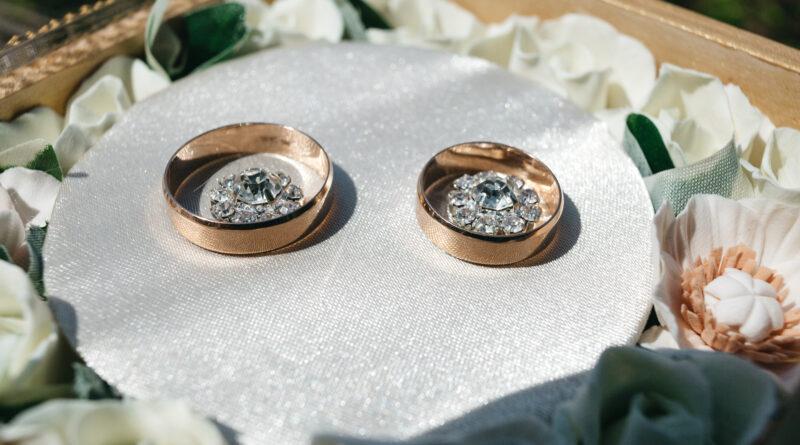
Two women at the same table both wear 1.5 carat rings. One stone reaches across the finger and throws light at every angle of the room. The other looks smaller than its paperwork, goes dark in the middle, and picks up a faint gray cast under the restaurant lights. Nothing on either grading report explains the gap, because the qualities that produced it are recorded in numbers most buyers never read.
Depth Percentage and Hidden Weight
Depth percentage is the height of a stone measured against its width. A stone cut deep has much of its weight below the girdle, where the setting hides it. Two 1.5 carat stones with depth percentages of 59% and 67% differ visibly in diameter, and the shallower one wins on face up size while weighing exactly the same.
Cutters make that choice deliberately. Rough that would yield a 1.42 carat stone at good proportions can be pushed to 1.50 by leaving extra depth, and the 1.50 sells for more per carat because it crosses a price threshold. The buyer pays for weight that is doing nothing except keeping the number above a round figure.
Weight also hides in the girdle, the band around the widest part of the stone, whose thickness is graded from extremely thin to extremely thick. A thick girdle adds weight in a place no one sees, exactly like excess depth. An extremely thin girdle removes that penalty and introduces a chipping risk at the edge.
Reports list the girdle grade in a line most buyers skip. On two stones of equal weight, the one graded thin to slightly thick has more of its mass in the visible part of the outline, and the difference in diameter can be a third of a millimeter, which is enough to notice when the rings are side by side.
The Bow Tie in Elongated Shapes
Elongated shapes develop a dark band across the middle when the pavilion angles are off. The effect comes from the wearer’s own head and shoulders blocking light that should be entering the top of the stone, and the darker area takes the shape of a bow tie across the waist.
Ovals below 60% depth show it most often, and the same fault appears in pears, marquises and some radiants. It never appears on a grading report. The only way to catch it is to look at the stone face up in normal room light, tilted slightly, before buying.
Radiant Faceting and Pattern Behavior
Faceting style changes the pattern of light a stone produces, which is why two stones of one weight can behave differently in the same room. A radiant cut diamond engagement ring mixes brilliant style facets with a step cut outline, producing broad flashes broken into smaller pieces, and that hybrid pattern hides inclusions better than an emerald and returns more light than a step cut of the same weight.
The optics behind how diamonds work explain the rest. Light entering the crown is bent, then bounced between pavilion facets before it returns through the top, and small changes in facet angle change how much of it completes that path. Two stones can share every number on a report and still separate on this.
Fluorescence and Apparent Color
Between 25% and 35% of graded diamonds show some fluorescence, which is the same phenomenon that makes fluorescent minerals glow under ultraviolet light. In a diamond it usually appears as a blue reaction in daylight or under club lighting.
The effect on appearance cuts both ways. On a stone in the I to M color range, blue fluorescence can make the body color look up to a grade whiter, which is a benefit the buyer gets at a discount. On a colorless D to F stone, strong fluorescence can produce a hazy look and trades at 0% to 15% below an identical stone with none, and occasionally further down. Two stones with matching color grades can therefore be priced differently and look different in sunlight.
Metal Color and Eye Perception
Human vision judges color in context, and the way we see in color depends on the light in the room and on what is next to the object. A stone with a faint warm tint looks white in yellow gold, because the metal gives the eye a warmer reference point. The same stone in platinum looks yellower against a colder white.
Buyers routinely compare two rings under different lighting and conclude the stones differ in quality. Store lighting is built to flatter, and daylight through a window is the reliable test for color and for haze.
Setting Scale and Relative Size
The Ebbinghaus effect describes how a shape looks larger when it is surrounded by small objects and smaller when it is surrounded by large ones, one of many cases where optical illusions work by giving the brain a misleading context. Rings work the same way. A 1.5 carat stone on a 1.7 mm band with tiny accent stones looks larger than the identical stone on a 3 mm band flanked by half carat side stones.
Finger width does the same job. A stone that fills the width of a size 4 finger looks modest on a size 9, and the specification that flatters one hand can disappear on another. That is why a ring bought on the recommendation of a friend often looks unlike the picture the buyer had in mind.
Back at the Restaurant Table
The two 1.5 carat rings from the beginning differ on perhaps five variables, none of which appear in the carat number. One stone is shallower with a thinner girdle, cut to angles that return light, with fluorescence working in its favor. The other has weight buried in its depth and girdle, a bow tie across the middle, and a setting that competes with it for attention.
The two rings could easily have cost the same. Carat weight is the only figure most buyers compare, and it is the one that says least about what the ring will look like on a hand across a table.