AI Photo Trends: Why Everyone’s Feed Suddenly Looks Studio-Shot
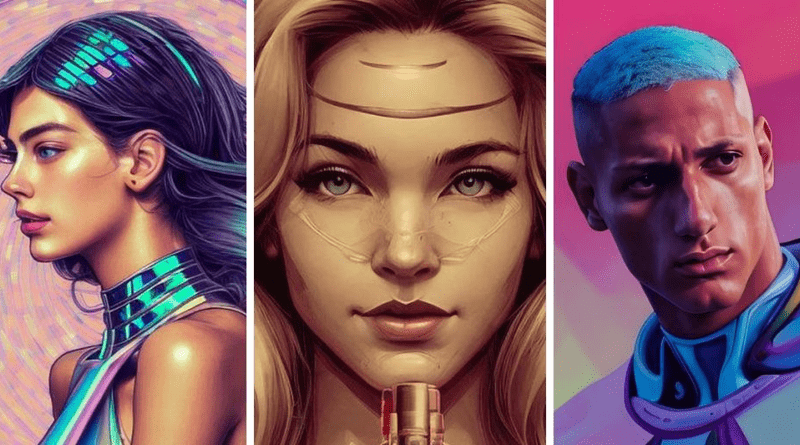
Scroll through Instagram lately and something’s shifted. Casual selfies have given way to portraits that look like they came out of a proper studio session, perfect lighting, flawless backgrounds, an almost editorial polish that didn’t used to be the default for a Tuesday afternoon post. That shift isn’t a mass adoption of professional photographers. It’s AI image generation quietly becoming the new baseline for how people present themselves online.
Why Do So Many Social Feeds Suddenly Look Studio-Shot?
Social feeds increasingly look studio-shot because AI image generators have made professional-looking photos accessible to anyone in minutes, without a camera, a studio, or a photographer.
What used to require booking a session, picking a location, and paying a few hundred dollars now takes a prompt and a few minutes of waiting. That drop in cost and effort changed the math entirely. A polished photo that once signaled “this person hired a professional” now signals nothing more than “this person opened an app,” and that’s exactly why the look has spread so fast across ordinary feeds rather than staying confined to influencers and brands with production budgets.
How Are AI Image Generators Producing These Polished Photos?
AI image generators produce polished, professional-looking photos by working from either an existing reference photo or a written prompt, refining lighting, background, and framing into something that reads as studio-quality.
Higgsfield’s AI image generator gives access to multiple underlying models, including Nano Banana Pro, GPT Image, Seedream, FLUX, and Kling O1, so a portrait can be generated and compared across different engines rather than relying on a single model’s particular strengths and blind spots. That matters for the studio-shot look specifically, since one model might handle skin texture and lighting more convincingly than another, and comparing outputs is how people land on a result that reads as a real photo rather than an obviously synthetic one.
Which Influencers and Creators Are Leaning Into This Trend?
Influencers and creators who depend on a consistent, polished visual presence have been among the fastest to adopt AI-generated photos, since their feeds function as a kind of ongoing personal brand.
Someone like Corinna Kopf, whose visibility comes largely from her online presence, illustrates why this matters for creators specifically: a feed is effectively a portfolio, and the pressure to keep every post at a consistently high visual standard is constant in a way it isn’t for someone posting occasionally. AI-generated imagery lowers the cost of maintaining that standard, letting a creator produce a studio-quality shot on demand rather than scheduling a real shoot every time the feed needs fresh content.
How Do You Spot an AI-Generated Photo on Someone’s Feed?
AI-generated photos can often be spotted by unnaturally smooth skin texture, lighting that doesn’t quite match how real studio lighting falls, or small inconsistencies in background details and proportions.
The tells have gotten subtler as the tools improved, but they haven’t disappeared entirely. Skin that looks slightly too even, a background element that doesn’t quite make physical sense, or a hand or accessory with a small distortion are still the most common giveaways. Comparing outputs across multiple AI models tends to reduce these issues, since a flaw specific to one model’s training data often doesn’t show up in another’s output, which is part of why multi-model tools have become the preferred choice over single-model apps for anyone trying to avoid an obviously artificial result.
Does This Trend Extend to Video Content Too?
Yes, the same demand for a polished, consistent visual standard is pushing people to clean up older or lower-quality video alongside their AI-generated photos.
A sharp new AI-generated headshot sitting next to an old, grainy video clip or a low-resolution intro video creates an obvious mismatch, and that gap is becoming more noticeable as generated stills get sharper. Higgsfield’s AI video upscaler applies super-resolution, denoising, and stabilization to bring older or lower-quality footage up to a standard that holds next to freshly generated images, which matters for anyone maintaining a feed, a profile, or a portfolio where photos and video need to look like they belong to the same visual era.
Is This Trend Here to Stay, or Just a Moment?
The studio-shot AI photo trend looks likely to stick around, since it reflects a permanent drop in the cost of producing a polished image rather than a passing aesthetic fad.
Trends built around a specific filter or visual style tend to fade as quickly as they arrive, but this one is different because it’s driven by access rather than aesthetics. Once professional-looking photos cost a few minutes instead of a few hundred dollars, there’s no obvious reason for that access to reverse. What’s more likely is that the specific look evolves, more natural, less obviously “generated”, while the underlying behavior, using AI to produce a polished photo instead of booking a shoot, keeps becoming more normal rather than less.
Frequently Asked Questions
Is it obvious when a photo on someone’s feed is AI-generated? Not always. Early AI photos were easier to spot, but the gap between generated and real photos has narrowed significantly as tools have improved, particularly when a real reference photo is used as a starting point.
Do professional photographers need to worry about this trend? For certain everyday use cases like social content and casual profile photos, yes, some of that work is shifting to AI. For higher-stakes work like editorial shoots or brand campaigns, professional photography still offers a level of control and intentionality that generation tools don’t fully replace yet.
Why do some AI photos look more convincing than others? This usually comes down to the model used and whether a real reference photo was provided. Comparing outputs across multiple models and starting from an actual photo of the person tends to produce more convincing, natural results.
Is this trend limited to influencers, or is everyone doing it? It started among people with the biggest incentive to maintain a polished feed, but it’s spread well beyond influencers as the tools have become cheaper and easier to use.
Should I upgrade my old videos if I’m using AI-generated photos now? It’s worth considering. A sharp AI-generated photo next to an old, lower-resolution video creates a visible mismatch, so bringing both up to the same visual standard makes for a more consistent overall presence.