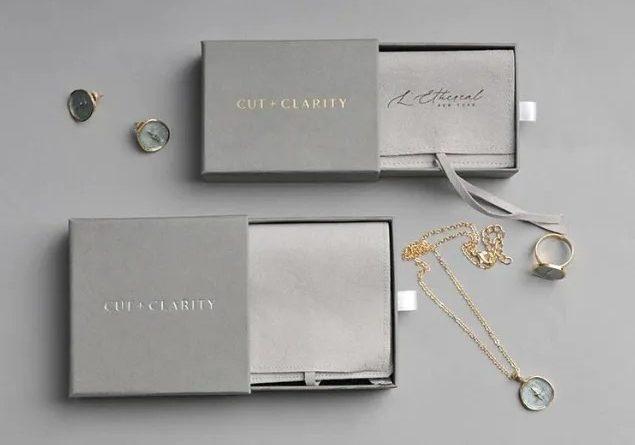
How the Right Jewelry Box Sizes Shape the Modern Luxury Experience
A piece of jewelry rarely exists on its own. The setting, presentation, packaging, and even the moment it is opened can influence how the product is perceived. As luxury fashion becomes increasingly focused on personal expression and memorable experiences, jewelry packaging is taking on a more visible role. The right box does not simply hold a necklace or ring; it can become part of the story surrounding it.
Jewelry Packaging Has Become Part of the Product Experience
Luxury has traditionally been associated with craftsmanship, materials, and exclusivity. Today, the experience surrounding a purchase matters just as much.
This is particularly noticeable with jewelry. A customer may discover a piece through a fashion editorial, social media post, boutique display, or online store. The actual jewelry may be small, but the presentation surrounding it creates context.
A well-designed jewelry box can make the product feel more considered from the first interaction.
The effect does not necessarily come from elaborate decoration. Proportion, texture, color, opening mechanisms, and the arrangement of the jewelry inside can all contribute to the experience.
That is why modern jewelry packaging increasingly sits between product design and brand presentation.
Why Jewelry Box Sizes Matter More Than They Seem
Size is one of the most overlooked elements of jewelry packaging.
A box that is too large can make a delicate piece appear lost inside. Too little space, on the other hand, can make the jewelry difficult to position or remove.
Choosing appropriate jewelry box sizes creates a better relationship between the product and its packaging.
Different jewelry categories naturally require different formats.
- Earrings need structures that keep pairs together and visible.
- Bracelets often require wider interior layouts.
- Necklaces may need longer compartments to reduce tangling.
- Statement pieces can require deeper or more spacious interiors.
The objective is not simply to make the box fit. It is to make the jewelry appear properly proportioned within it.
Proportion Influences Perceived Luxury
Luxury design often relies on restraint.
A watch presented in an oversized case can feel less refined than one displayed in a precisely proportioned presentation box. Jewelry works in much the same way.
The relationship between the product, insert, and exterior dimensions creates a visual hierarchy. When that hierarchy feels balanced, the packaging becomes almost invisible in the best possible sense—it supports the jewelry without competing with it.
This is one reason customized jewelry box designs are becoming more relevant for brands with distinctive collections.
Instead of placing every product into one standard format, packaging can be developed around the dimensions and characteristics of each piece.
Customization Can Strengthen a Jewelry Collection
Customization is not only about adding a logo.
A customized jewelry box can involve the shape, opening method, interior structure, materials, colors, and finishing details.
For a jewelry collection, these elements can create a consistent visual language.
A brand might use several different jewelry box sizes for rings, bracelets, and necklaces while maintaining the same exterior material and color. The boxes are different because the products are different, but they still feel like part of the same collection.
This is particularly useful for brands that sell across multiple categories.
Consistency makes packaging recognizable, while customization ensures that individual products receive the appropriate presentation.
The Interior Deserves as Much Attention as the Exterior
The outside of a jewelry box may attract attention in a photograph, but the interior is what the customer interacts with during the actual unboxing.
An effective interior should perform several functions at once.
First, it needs to keep the jewelry secure. Second, it should make the product immediately visible. Third, it should allow the customer to remove and return the jewelry without unnecessary difficulty.
The insert is therefore an important part of jewelry box packaging.
Soft materials can create a different experience from molded inserts or structured paper components. The choice depends on the jewelry, positioning, durability requirements, and desired aesthetic.
The best solution is usually the one that feels natural when the box is opened.
Luxury Packaging Is Also About Restraint
There is a temptation to equate luxury with more materials, more decoration, or more elaborate structures.
That approach does not always work.
Current luxury fashion trends show continued interest in understated design, personalization, sustainability, and products that feel intentional rather than excessive.
Jewelry packaging can follow the same principle.
A clean box with a carefully selected texture may communicate more sophistication than a heavily decorated package. Likewise, a precisely fitted insert can create a stronger impression of quality than unnecessary internal layers.
Luxury is often communicated through decisions that appear simple because they have been carefully considered.
Packaging Has a Role in Fashion Storytelling
Jewelry is closely connected to personal style. A necklace, ring, or pair of earrings can become part of an individual’s visual identity.
Packaging can reinforce that relationship.
For example, a contemporary jewelry label may use geometric structures and restrained typography, while a heritage-inspired collection may lean toward classic materials and traditional details.
The box becomes another surface through which the brand’s aesthetic can be expressed.
This is especially relevant in social commerce, where packaging can appear in photographs and unboxing content alongside the jewelry itself.
A recognizable package can become part of the visual language customers associate with a collection.
Sustainability Is Changing Packaging Decisions
Luxury packaging is also facing a practical question: how much packaging is actually necessary?
Oversized boxes require more material and occupy more space during shipping. Excessive decorative layers may create waste without adding meaningful value to the customer experience.
Appropriate jewelry box sizes can help address part of this issue.
A box designed closely around the product can reduce unnecessary empty space while still providing adequate protection. Material choices can also be evaluated according to durability, recyclability, appearance, and production requirements.
Sustainable packaging does not have to look basic. The challenge is finding a balance between responsible material use and the visual standards expected from a luxury product.
How Brands Can Select the Right Box Format
There is no universal jewelry box size that works for every product.
Instead, brands should begin with the jewelry itself and work outward.
Several questions can help guide the process:
What is the product’s actual shape?
A long necklace requires a different internal arrangement from a ring or pair of earrings.
How should the product be displayed?
Some pieces need to lie flat, while others benefit from upright or suspended presentation.
How will the package be transported?
The box needs enough structural support to protect the product during handling and shipping.
Does the package fit the brand?
Materials, colors, proportions, and finishing should correspond with the collection’s overall visual identity.
Can the packaging scale with the collection?
A consistent packaging system can make it easier to introduce new products without redesigning the entire brand presentation.
For brands exploring these decisions in greater detail, the guide on how to choose a custom jewelry box provides additional considerations around structure, materials, dimensions, and customization.
From Jewelry Box to Brand Touchpoint
The most effective jewelry box packaging does not compete with the product.
Instead, it creates a quiet transition between the anticipation of receiving something special and the moment the jewelry is finally seen.
That transition matters because luxury is increasingly experienced through a series of touchpoints rather than a single purchase.
A website, boutique, product photograph, shipping package, jewelry box, and after-purchase interaction can all contribute to the same perception.
For brands developing packaging around specific collections, custom jewelry boxes and packaging can provide flexibility in dimensions, internal structures, materials, and presentation.
The key is to develop the package around the product rather than forcing the product into a predetermined format.
Conclusion
The role of a jewelry box has changed. It still protects the product, but it can also influence how the jewelry is presented, remembered, photographed, and associated with a particular style.
The right jewelry box sizes, thoughtful jewelry box packaging, and a well-developed customized jewelry box can create a more coherent luxury experience without relying on excessive decoration.
For modern jewelry brands, the strongest packaging is often the most considered: appropriately sized, visually consistent, practical to use, and designed to let the jewelry remain the center of attention.