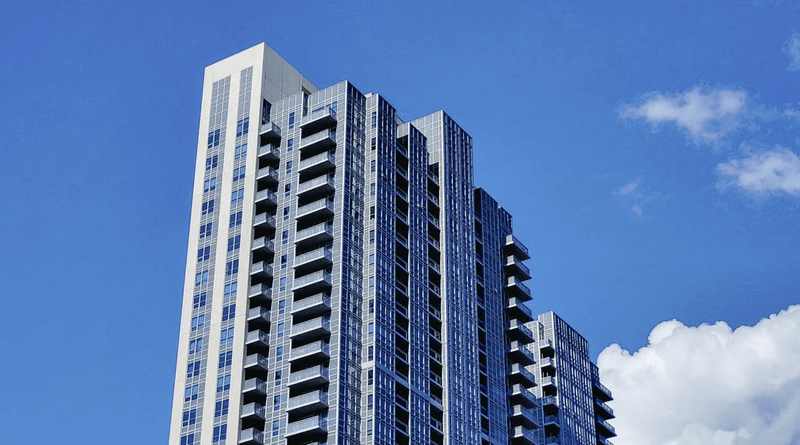
10 Hidden Costs of Luxury Condo Living
Luxury high-rise living accounts for 56% of the high-end property market nationwide, and promises turnkey convenience, panoramic views, and five-star amenities right outside your door. Yet beneath the high-end finishes and sleek marble lobbies lies a financial reality that often catches even seasoned real estate investors off guard.
Buying a high-end unit involves far more than servicing your monthly mortgage and paying baseline dues. From surprise capital calls to obscure operational surcharges, navigating the true expense structure requires a clear eye on the fine print.
Knowing where your money goes each month ensures your dream home doesn’t turn into an unexpected balance sheet drain. Here is what you need to budget for before signing on the dotted line.
1. Special Reserve Fund Assessments
Monthly HOA dues cover routine maintenance like lobby cleaning and pool chemistry, but they rarely cover major capital expenditures. When a high-rise needs a full elevator overhaul, facade repointing, or roof replacement, the board levies a special assessment on every owner.
If the building’s reserve study shows a funding balance under 30%, that’s a major red flag that signals an imminent cash call, according to AmeriSave. These assessments are not small monthly adjustments. They arrive as lump-sum demands often ranging from tens of thousands to well over six figures per unit.
2. Master Policy Deductibles and Rising Insurance
High-rise building insurance costs have surged dramatically in recent years across major metropolitan markets. To keep baseline monthly dues manageable, boards often choose higher deductibles on their master property policies.
When structural damage occurs, owners face a hidden gap between building coverage and personal condo insurance (HO-6 policies). Recent industry analysis reveals 91% of community associations faced unexpected expense hikes driven directly by insurance market shifts and inflation. If a main line bursts five floors up, your personal policy might end up paying out the master policy deductible before your own repairs even begin.
3. Appliance and Systems Maintenance
High-end developments come loaded with commercial-grade appliances, custom panel refrigeration, and integrated climate control systems. Repairing a sub-zero refrigerator or an imported European HVAC unit costs significantly more than servicing standard builder-grade equipment.
Contractors charging premium labor rates for high-rise access can quickly turn a simple repair into a major financial hit. To buffer against these inevitable failures, savvy owners frequently research the best home warranty companies to lock in fixed annual protection against out-of-pocket mechanical breakdowns. Protecting these built-in systems with dedicated coverage preserves your operational budget when complex components fail.
4. Amenity Surcharges and Usage Fees
That state-of-the-art wellness center, golf simulator, and private dining room are rarely completely free to use. While basic access may be included in your monthly maintenance fee, reserving spaces or booking premium equipment often triggers per-use charges. For example:
- Private lounge reservations usually require non-refundable booking deposits alongside mandatory cleaning fees
- Guest suite rentals for visiting family members often match local boutique hotel rates
- On-site valet and concierge services frequently charge separate event handling fees for larger personal gatherings
These secondary fees can add up quickly if you host guests or use the building facilities often.
5. Submetered Utilities and Smart-Home Upkeep
Many buyers assume condo dues absorb heating, cooling, and water expenses entirely. Modern luxury towers, however, utilize submetered utility systems that bill each residence individually based on real-time consumption.
Additionally, built-in smart home automation platforms require routine software licensing, hub upgrades, and specialist repairs. When customized lighting panels or automated shade motors malfunction, standard electricians cannot fix them. You must hire specialized home automation technicians who charge elevated hourly rates.
6. Parking Space Premiums and EV Charging Tariffs
Deeded parking spaces in dense urban cores command exorbitant initial purchase prices, but the spending does not end at closing. Garages require ongoing structural maintenance, security monitoring, and regular power washing, all funded through monthly parking maintenance surcharges.
Electric vehicle owners face even steeper operational costs. Installing a dedicated EV charger requires board approval, structural conduit routing, and sub-panel upgrades that run into thousands of dollars. Building management teams also routinely add electrical delivery surcharges to cover peak-demand utility rates inside shared garages.
7. Window Cleaning and Exterior Envelope Fees
Floor-to-ceiling glass delivers incredible skyline vistas, but keeping those exterior panes pristine is a massive operational challenge. Specialized abseiling teams and industrial riggers must be hired to clean high-rise exterior glass multiple times per year.
Because exterior windows fall under shared building components, maintenance delays can lead to seal failures and glass replacement demands. Modern engineering assessments show that older high-rises suffer from severe reserve shortfalls and aging infrastructure that force boards into premature envelope restorations. Replacing custom insulated glass units at elevated heights requires specialized crane rigging or exterior scaffolding, which dramatically inflates individual unit costs.
8. Move-In, Move-Out, and Elevator Booking Fees
Relocating into or out of a managed high-rise is strictly regulated by building management. High-end associations enforce strict protocols to protect common areas, freight elevators, and lobby finishes from moving damage.
Move-in protocols usually require non-refundable administrative fees and substantial refundable security deposits before you can reserve the service elevator. If your movers exceed their allocated time slot by even thirty minutes, boards routinely levy stiff hourly penalty rates.
9. On-Site Storage Locker Rentals
Storage space inside high-rise residences comes at a premium, prompting most owners to acquire extra basement or garage storage units. Many buyers fail to realize that storage lockers are often deeded separately or leased as monthly add-ons.
These square-foot allocations carry their own monthly assessment fees that rise alongside baseline HOA dues. If you store seasonal decor, sports equipment, or luggage downstairs, factor that perpetual monthly line item directly into your housing budget.
10. Service Contractor Minimums and Access Logistics
Hiring tradespeople for simple interior upgrades, painting, or plumbing work is noticeably more expensive in a luxury high-rise. Contractors must submit proof of high-limit liability insurance, register with building management, and follow rigid work-hour restrictions. Consider that:
- Tradespeople factor extended parking logistics and elevator transit times directly into their initial service estimates
- High-rise contractors routinely enforce higher minimum job rates to offset administrative compliance overhead
A simple plumbing fix that costs a modest fee in a single-family suburban home can easily double in cost when completed inside a restricted-access urban tower.
Forecasting Your True Cost of Ownership
Mastering the financial landscape of luxury condo ownership comes down to thorough diligence before committing to a purchase. Reviewing at least three years of board meeting minutes, examining the latest reserve study, and auditing historical HOA fee increases will reveal how effectively the building is managed. For more strategies on managing your property investments and budgeting for long-term residential expenses, explore our comprehensive home management guides.