The Art of Dining by the Adriatic in Split
Split is a city shaped by the sea. The Adriatic sets the pace of daily life, from morning walks along the waterfront to long evening meals with views across the coast. Food is part of that rhythm. Visitors who want to understand the city often start with its local ingredients, simple cooking, and strong connection to the water. Choosing a good seafood restaurant can be part of that experience, especially for travelers who want to enjoy fresh fish and Mediterranean flavors close to the shore.
A City Built Around the Sea
Split has always had a close link with the Adriatic. The port, fishing traditions, nearby islands, and coastal climate have all shaped the way people eat.
Many local dishes rely on ingredients that suit the region. Fresh fish, shellfish, olive oil, garlic, herbs, vegetables, and citrus appear often on menus. These ingredients are familiar across the Mediterranean, yet each coastal town has its own habits and recipes.
In Split, meals often feel connected to place. A plate of grilled fish makes more sense when the sea is only a short walk away. A simple salad tastes different when it uses ripe tomatoes, local olive oil, and herbs that grow well in the warm climate.
For travelers, this link between food and setting adds depth to a visit.
Fresh Ingredients Lead the Menu
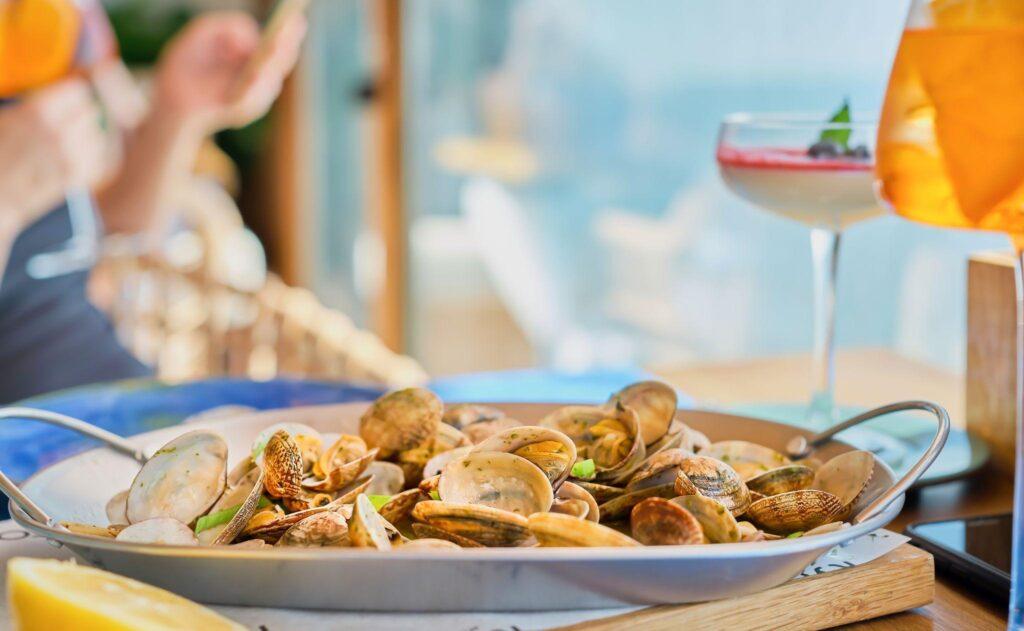
Dalmatian cooking often gives the main ingredient room to speak for itself. Fish may be grilled with olive oil, garlic, and parsley. Octopus can appear in salads or slow-cooked dishes. Shellfish may be served with pasta or rice.
There is little need for heavy sauces when the ingredients are fresh.
This style of cooking also fits the climate. Split has long, warm summers and mild periods in spring and fall. Light meals with seafood, vegetables, and olive oil suit sunny days and evenings by the water.
Season also matters. Restaurants that work with local produce often adjust dishes based on what is available. This can make the menu feel more connected to the time of year.
Visitors who pay attention to seasonal dishes may discover foods they would miss on a standard travel checklist.
Waterfront Dining Is Part of the Experience
Food is only one part of a memorable meal in Split. The setting can be equally important.
The city offers many places where diners can see the sea, boats, or nearby islands. At sunset, the light changes across the water and the pace of the day begins to slow.
This atmosphere encourages longer meals. People spend time talking, sharing dishes, and enjoying the view. Dinner can become an evening activity rather than a quick stop between attractions.
That slower pace reflects local life. Coastal dining often works best when there is no rush to leave the table.
For visitors who spend the day exploring Diocletian’s Palace, walking along the Riva, or visiting nearby beaches, a calm meal near the coast can provide a natural end to the day.
Local Traditions Still Matter
Modern restaurants in Split may use new techniques and updated presentation, yet many still draw from Dalmatian food traditions.
Grilling remains common. Olive oil remains central. Fish and vegetables continue to play a large role. Recipes may change with each chef, though the basic ingredients often remain familiar.
One of the best ways to understand these traditions is to look beyond famous dishes. Side dishes, bread, local cheese, seasonal vegetables, and simple starters can tell visitors a great deal about how people eat in the region.
Local wine can also add another layer to the meal. Croatia has many native grape varieties, and Dalmatia has a long winemaking history. A local white wine can work well with fish, while fuller reds may suit grilled meat and richer dishes.
Guests do not need deep wine knowledge to enjoy these pairings. Asking for a local recommendation is often enough.
Markets Offer Another View of the City
Travelers who want to learn more about Split’s food culture can visit local markets before sitting down for dinner.
The city’s fish market offers a clear look at the seafood that reaches local kitchens. Nearby produce markets show the fruit, vegetables, herbs, and other foods that are part of everyday life.
A morning market visit can make an evening meal more interesting. Visitors begin to recognize ingredients they saw earlier in the day.
Markets also show that food culture exists beyond restaurants. It begins with fishermen, farmers, vendors, and families who have bought and prepared these foods for generations.
That wider view helps travelers understand why fresh ingredients remain so important in Dalmatian cooking.
Simple Meals Often Leave the Strongest Memory
Many travelers remember Croatia for its blue water, stone streets, and warm evenings. Food often becomes part of those memories because it brings all of those details together.
A good meal in Split does not need to feel complex. Fresh fish, local vegetables, olive oil, bread, and a glass of Croatian wine can create a strong sense of place.
The setting adds the final layer. The sound of the sea, the view toward the islands, and the slower pace of an evening meal can turn simple food into a lasting travel memory.
Split gives visitors many ways to explore its history and coastline. Dining is one of the easiest ways to experience both at the same time. Through local ingredients, coastal traditions, and meals shared near the Adriatic, travelers can discover a side of the city that feels personal, relaxed, and closely tied to the sea.