The Glasses-and-Headphones Struggle: How to Find a Setup That Actually Works
For people who wear glasses every day, headphones can turn into an unexpected comfort problem. A pair of over-ear headphones may sound great during the first few minutes, but after a long work session, commute, flight, or gaming evening, the pressure around the temples can become difficult to ignore. The arms of the glasses sit underneath the headphone cushions, and the longer the two are pressed together, the more likely soreness develops around the sides of the head and behind the ears.
Switching to earbuds seems like the obvious solution, yet that does not work for everyone either. Some people dislike the feeling of having something inside the ear canal for hours, while others prefer to hear conversations, traffic, announcements, or other sounds around them. The result is a familiar compromise: over-ear headphones can be uncomfortable with frames, while in-ear options can feel too isolating or intrusive.
A better setup usually comes from changing several small things rather than searching for one perfect product. Headphone fit, frame thickness, ear-pad material, listening environment, and even the order in which the devices are worn can all affect comfort.
Why Pressure Builds Up Faster Than You Expect
Over-ear headphones are designed to create a stable seal around the ears. That helps keep the headphones in place and can improve both sound quality and noise reduction, but it also means the ear cushions are pressing inward for long periods. When a glasses arm runs underneath that cushion, the pressure becomes concentrated along a narrow strip instead of being spread evenly across the side of the head.
Frame design makes a difference as well. Thick acetate arms tend to create more pressure than slim metal or titanium temples because there is simply more material trapped between the head and the headphone cushion. A pair of headphones that feels perfectly comfortable without glasses may therefore feel completely different once prescription frames or sunglasses are added.
Start by Looking at the Whole Headphones-and-Glasses Setup
When people compare headphones and glasses, they often treat them as two unrelated purchases. In practice, they need to work together. A lightweight pair of glasses can make a firmer headphone easier to tolerate, while soft headphones may compensate for a thicker frame. Comfort depends on the combination rather than either product on its own.
This is why trying headphones while wearing your usual glasses is far more useful than testing them without frames. Pay attention to where pressure appears after 15 or 20 minutes, not just how the headphones feel when you first put them on. If the arms of your glasses begin digging into the skin quickly, that discomfort will probably become much worse during a long flight or several hours at a desk.
Softer Over-Ear Headphones Can Still Be the Best Choice
People who enjoy full-size headphones do not necessarily need to abandon them. The easiest improvement is to look for models with soft cushions, a flexible headband, and enough room around the ears so the frame is not being crushed against the head. A slightly looser fit is often more comfortable for glasses wearers than a very firm clamp.
Small adjustments can also help. Moving the ear cups a little higher or lower may place the glasses arms in a softer area of the padding. Some users also find that extending the headband slightly reduces pressure without making the headphones unstable. These changes sound minor, but during several hours of listening they can make the difference between forgetting about the headphones and constantly wanting to take them off.
Replacing Worn Ear Pads Can Fix More Than You Think
Older headphones often become less comfortable gradually, so it is easy to blame the glasses when the cushions are actually part of the problem. Ear pads compress over time, and once the foam becomes flatter or harder, there is less material between the frame and the side of the head.
Replacing worn pads with fresh memory foam can restore much of the original comfort. Some headphone models also support alternative materials such as fabric or velour, which may feel cooler during longer sessions than synthetic leather. The main thing is to choose pads that are designed for the specific headphone model, because the wrong shape can affect both fit and sound.
For anyone who already owns a pair of headphones they like, this is one of the least expensive solutions to try before buying something new.
Clip-On and Open-Ear Designs Solve the Problem Differently
If over-ear pressure remains uncomfortable, clip-on headphones are worth considering. These designs sit around each ear individually instead of using a large headband that pulls inward from both sides. Because there is no full ear cup pressing the glasses arm against the temple, some wearers find them noticeably easier to use for long stretches.
Open-ear earbuds offer another middle ground. They sit near the ear rather than sealing the ear canal, allowing music or calls to remain audible while environmental sounds still come through. That can be useful in offices, at home, or while walking around a city. The only thing to watch is how the ear hook overlaps with the glasses arm, since both need to share the same small space behind the ear.
Bone-Conduction Headphones Are Useful When Awareness Matters
Bone-conduction headphones avoid both the ear canal and large ear cushions. Instead of covering the ears, they sit around the side of the head and leave the ears open. For people who want to hear traffic, coworkers, family members, or public announcements, that can be a major advantage.
They are especially popular for walking, running, commuting, and casual listening. The sound experience is different from traditional headphones, so they may not satisfy someone looking for deep bass or strong noise isolation. Still, they can be an excellent comfort-first option for people whose main priority is avoiding pressure around the glasses frames while staying aware of the surroundings.
Frame Choice Can Make Headphones Much Easier to Wear
Sometimes the best improvement has nothing to do with the headphones. People who own more than one pair of glasses may find that a thinner frame works far better during long listening sessions.
Slim metal or titanium temple arms create less material between the head and the ear cushion than thick fashion frames. That means the headphone padding can sit closer to its normal position instead of being pushed outward. Even a small difference in thickness can reduce pressure around the temples.
It is also worth checking whether the glasses themselves fit properly. Frames that already feel tight behind the ears will usually become uncomfortable much faster once headphones are added. An optician may be able to make a small adjustment that improves comfort without changing the appearance of the glasses.
One Device Can Remove the Conflict Completely
A different solution is to stop layering one device over another.
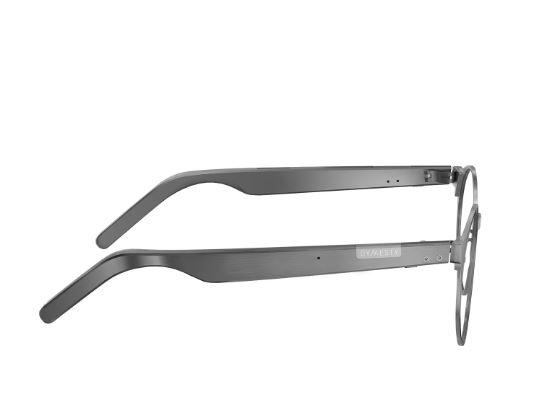
Dymesty AI Glasses Jobs Circle places open-ear speakers directly into the glasses frame, so there is no separate headphone band pressing against the temples and no earbud sitting inside the ear. The glasses are designed for everyday audio, calls, voice interaction, meeting recording, transcription, and translation while maintaining the form of conventional eyewear.
This approach makes the most sense for people who already wear glasses for much of the day and mainly use audio for calls, podcasts, light music, or voice assistance. It will not create the same isolated listening environment as full-size noise-cancelling headphones, but it removes the physical conflict between headphones and eyewear entirely.
Think About Where You Actually Listen
A perfect setup for the office may be a poor choice on an airplane. Someone working at home might be perfectly happy with open-ear audio because hearing the doorbell or another person in the room is useful. A traveler trying to sleep through aircraft noise will probably prefer over-ear headphones with strong noise cancellation, even if that requires more attention to ear-pad comfort and frame fit.
The same is true outdoors. Open-ear or bone-conduction designs can make more sense while walking because they allow more awareness of the surroundings. In quieter spaces, sound isolation may matter much less than being able to wear the device comfortably for several hours.
Instead of choosing one audio product for every possible situation, it can be more practical to decide what matters most in the places where you actually listen.
Smart Glasses Are Becoming a Practical Audio Alternative
For people who are tired of constantly balancing frames, ear cups, and earbuds, smart glasses with built-in audio create another option. The appeal is not that they outperform dedicated headphones in every category. It is that they combine two things many people already use every day—eyewear and audio—into one wearable.
That can be especially useful for calls, podcasts, navigation prompts, spoken notifications, and casual music. There is nothing extra sitting over the frame, and the ears remain open rather than sealed. For people who spend most of the day moving between work calls, commuting, errands, and conversations, that convenience can matter more than maximum sound isolation.
Dedicated headphones will still make more sense for people who want a private listening environment, stronger bass, or powerful noise cancellation. Smart glasses simply offer a different answer for users who care more about comfort and simplicity.
A Few Small Changes Can Improve Comfort Quickly
Before replacing everything, it is worth trying a few simple adjustments. Loosen the headphone band slightly if the design allows it, reposition the ear cups so the glasses arm sits in a softer part of the cushion, and check whether the pads have become compressed with age.
If you have another pair of glasses with thinner arms, try those during a long listening session. You may discover that the headphones are not the real problem at all. Sometimes the best combination is simply a lighter frame paired with softer padding.
The goal is to remove pressure points rather than chase a perfect specification. A setup that feels natural after two or three hours is more valuable than one that looks ideal on paper.
FAQs
Why do my glasses start hurting after I wear headphones for a while?
The headphone cushions press the glasses arms against the sides of the head. The stronger the headphone clamp and the thicker the frame, the more noticeable that pressure can become over time.
Are over-ear headphones better than on-ear headphones for glasses?
For many people, yes. Over-ear headphones surround the ear instead of resting directly on it, which can spread pressure more evenly. Fit varies, however, so the softness of the cushions and headband pressure matter more than the category alone.
Can replacement ear pads really make a difference?
They can, especially if the original pads have become compressed or firm. Fresh memory foam or softer replacement materials may reduce the pressure around the glasses arms and make older headphones more comfortable.
Are bone-conduction headphones a good option with glasses?
They can work very well because they do not use large ear cups or seal the ear canal. The main consideration is whether the headphone band and glasses arms sit comfortably together behind the ears.
Can smart glasses replace normal headphones?
For calls, podcasts, spoken content, and casual music, they can reduce or even remove the need for separate headphones for some users. For strong noise cancellation or immersive listening, conventional over-ear headphones still have an advantage.
A Comfortable Setup Should Fade Into the Background
The best glasses-and-headphones combination is one you stop noticing. If you spend an entire workday adjusting the ear cups, rubbing your temples, or taking off your glasses for relief, the setup is not working no matter how good the audio sounds.
Sometimes the answer is a softer pair of headphones. Sometimes it is a thinner frame, fresh ear pads, bone conduction, or open-ear audio. And for people who mainly want everyday listening without stacking one wearable on top of another, smart glasses offer a completely different path.
Comfort rarely comes from one dramatic change. It usually comes from choosing devices that work together instead of competing for the same small space around your ears.