Finding Value in 0.75 Carat Natural Diamond Rings Within Budget
A diamond ring is rarely just a purchase. It’s tied to a moment, a relationship, sometimes years of saving, and most buyers want to feel like their money went toward something worth it rather than just a bigger number on a receipt. Rare Carat has built its reputation as a premium American jeweler that designs and ships its own branded jewelry to customers across the country. Today, the company offers a collection of more than 1,700 engagement ring styles and over 2,500 fine jewelry pieces, supported by free guidance from GIA-trained gemologists who help buyers understand what actually affects a diamond’s price and appearance. With a 4.9/5 rating on Google Business and a top-ranked position on Trustpilot, Rare Carat has earned trust markers that give shoppers confidence when making decisions in the 0.75 carat range.
Table of Contents
- Why 0.75 Carat Diamonds Strike a Practical Balance
- Balancing Cut, Color, and Clarity Without Overspending
- Choosing a Setting and Metal That Fits the Budget
- How Personalized Guidance Simplifies the Search
- From Purchase to Everyday Wear: Protecting the Investment
Why 0.75 Carat Diamonds Strike a Practical Balance
A 0.75 carat diamond offers noticeable presence on the hand without moving into the price territory of a full carat or larger stone. This weight class often lets buyers put more of their budget toward cut quality or clarity, which tend to have a greater visual impact than carat weight alone. Anyone comparing options at this size can visit Rare Carat to see how 0.75 carat diamonds are presented alongside detailed grading information, tied directly to pieces the company prepares and ships itself.
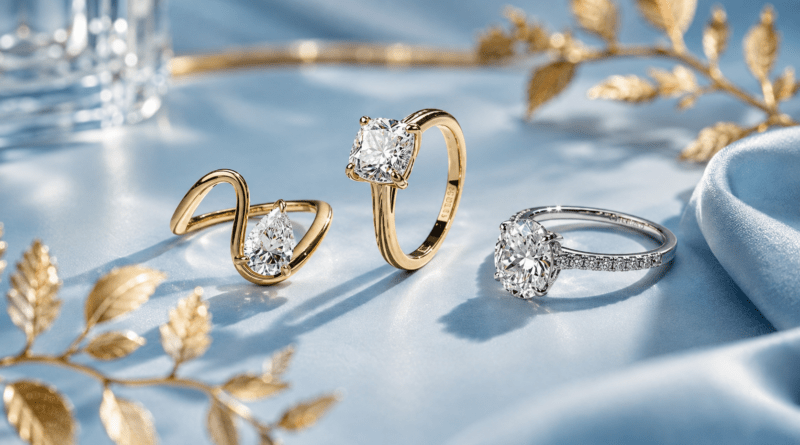
Carat weight is also worth viewing in context of hand size and setting style, since a 0.75 carat stone can appear larger or smaller depending on what surrounds it. A halo setting can visually amplify the center stone, while a solitaire keeps the focus on the diamond itself. Picturing these combinations early, before comparing individual stones, tends to make the rest of the search much less overwhelming.
Balancing Cut, Color, and Clarity Without Overspending
Of the four Cs, cut has the biggest say in how a diamond actually looks day to day. A well-cut 0.75 carat diamond can catch and throw light better than a larger stone that was cut poorly, so most buyers get more for their money by focusing there instead of chasing extra weight. Color and clarity fill in the rest of the picture, and the difference between adjacent grades is often something only a trained eye, or a loupe, would ever catch.
That’s part of why so many shoppers end up browsing Rare Carat Online — the smart filters and personalized recommendations make it possible to weigh cut, color, and clarity together instead of juggling them separately. The site itself is laid out cleanly enough that specifications can be compared side by side, which matters when a budget is fixed and every trade-off counts.
There’s also the question of who’s actually making the ring. Rare Carat Jewelry is handmade in the USA, one piece at a time, and every ring goes through strict quality inspections before it ships. A 0.75 carat diamond gets checked for setting consistency, prong security, and overall finish before it ever reaches a customer, then it’s packed in premium branded packaging that reflects the same care put into making it.
Choosing a Setting and Metal That Fits the Budget
Metal choice affects the bottom line more than people expect. Platinum and white gold usually cost a bit more than yellow or rose gold, though in the context of a full ring budget, that gap tends to be smaller than the difference a diamond’s cut or clarity would make. The right setting can also make a 0.75 carat stone look bigger than it is, which is worth keeping in mind for anyone watching every dollar.
Prong settings use less metal and are often the more affordable route, while pavé or halo settings bring in extra accent stones that add sparkle, and cost, along the way. It really comes down to where the budget should go — more toward the center stone, or toward the design surrounding it — and that’s as much a matter of taste as it is math.
How Personalized Guidance Simplifies the Search
A certificate can only say so much, which is where free guidance from GIA-trained gemologists tends to come in handy. They can walk a buyer through what a grade actually means once the stone is set and worn, so nobody ends up paying extra for a distinction they’d never actually notice. For first-time buyers especially, that kind of plain-language explanation is often worth more than the numbers themselves.
Technology helps here too. Sorting cut, color, clarity, and carat by hand would take forever, but filtering tools that weigh all four at once narrow things down to a manageable shortlist fast, without losing sight of what’s actually being compared.
From Purchase to Everyday Wear: Protecting the Investment
Buying the ring is only half the job. What happens afterward — resizing, exchanges, returns — says just as much about a jeweler. Handling those services directly means a band that needs resizing gets taken care of promptly, without being routed through anyone else. Knowing that returns and exchanges will go smoothly also gives buyers real peace of mind if something needs adjusting once the ring is actually on their hand.
There’s also the everyday side of ownership to think about. A 0.75 carat diamond ring still needs the occasional cleaning and a prong check now and then to keep the stone secure and looking its best. Something as small as taking the ring off before yard work or heavy lifting goes a long way toward keeping both the metal and the diamond looking new for years.
In the end, getting real value out of a 0.75 carat diamond ring isn’t about finding a shortcut. It’s about understanding the 4Cs well enough to spend where it counts, picking a setting that actually fits, and choosing a jeweler that’s still there to help after the sale. Between the 4.9/5 Trustpilot rating and the quality checks built into every step of production, buyers have what they need to make that decision with confidence.