
The Changing Role Of Food In Modern Senior Living
Senior living communities used to treat meal times like simple daily routines. Modern facilities view food as a central driver of personal wellness and daily satisfaction.
Seniors expect fresh options that match their individual preferences and lifestyle choices. Dining halls are transforming into restaurant-style spaces with varied menus.
Shifting Expectations Around Daily Dining
Traditional dining rooms often served a single set menu to everyone at the same time. Implementing a digital meal ordering system for aged care centres helps kitchens offer flexible dining windows and custom choices. Residents enjoy selecting meals that fit their appetite and personal schedule.
Kitchen staff receive requests directly on digital screens without relying on paper notes. Orders move faster through prep stations, reducing wait times during busy meal hours. Cooked items reach tables faster and at proper serving temperatures.
Seniors appreciate having genuine control over what they eat each day. Personal autonomy stays intact when mealtime decisions remain in resident hands. Simple choices make daily routines feel far more comfortable.
Personalizing Menus For Health Needs
Dietary requirements vary widely across any senior care facility. Kitchen teams track sodium limits, diabetes management plans, and texture modifications daily. Caregivers work closely with culinary teams to monitor nutritional health.
Industry research notes that updated guidelines require providers to complete full assessments to accommodate individual resident nutrition plans. Staff members gather details about medical needs and personal flavor preferences during intake. Structured evaluations keep nutrition plans aligned with evolving health requirements.
Customized meals help manage chronic conditions without sacrificing flavor or presentation quality. Chefs craft distinct recipes tailored to distinct wellness goals. Thoughtful preparation makes therapeutic diets far more appetizing.
Tech Integration In Kitchen Operations
Technology plays an expanding role in modern healthcare food service operations. Software tools help kitchen teams coordinate inventory and prep schedules without confusion. Digital channels replace slow manual communication across departments.
Industry analysts point out that older adults are increasingly comfortable with technology, making digital dining tools a smart way to streamline services. Kitchens reduce waste by tracking exact ingredient quantities ahead of time. Digital tracking limits costly errors during fast-paced lunch and dinner rushes.
Automated inventory tracking gives culinary teams more time to focus on food preparation. Operations run smoothly when manual paperwork disappears from daily kitchen prep. Clear systems keep entire teams working toward shared quality goals.
Operational Efficiency In Facility Kitchens
Managing hundreds of unique meal orders every day creates major logistical hurdles. Specialized software streamlines order collection while maintaining exact dietary compliance standards. Facilities see higher efficiency levels alongside better satisfaction scores among residents.
Cooks focus on crafting dishes rather than sorting through manual paper tickets. Streamlined workflows keep staff stress low during peak dining periods. Team members complete daily tasks with fewer misunderstandings.
Fewer errors mean fewer returned plates and less food thrown away. Better management leads directly to a smoother dining experience for everyone. Staff members spend less time fixing mistakes and more time serving residents.
Key Benefits Of Modern Food Programs
Updating meal services brings positive outcomes across entire senior communities. Modern dining programs deliver advantages that extend well beyond basic nutrition.
Here are core advantages observed in upgraded senior dining programs:
- Greater choice and personal autonomy for residents
- Lower food waste through accurate order tracking
- Better alignment with specific medical diets
- Clearer communication between residents and culinary staff
The upgrades transform mealtime into a highlighted point of the day. Communities build stronger social bonds when dining environments feel welcoming. Residents feel valued when their dining preferences receive careful attention.
Creating Social Dining Spaces
Food serves as a natural bridge for building social connections among residents. Shared dining spaces give seniors a regular gathering point to connect daily. Stronger friendships grow around shared meals and friendly conversation.
Facilities design open dining rooms that mimic cozy neighborhood cafes. Seating arrangements support small group conversations or larger family gatherings. Warm lighting and comfortable furniture encourage residents to linger longer.
Conversations over fresh meals help reduce feelings of daily isolation. Eating together strengthens community bonds and boosts emotional well-being. Positive social environments make meal times memorable highlights.
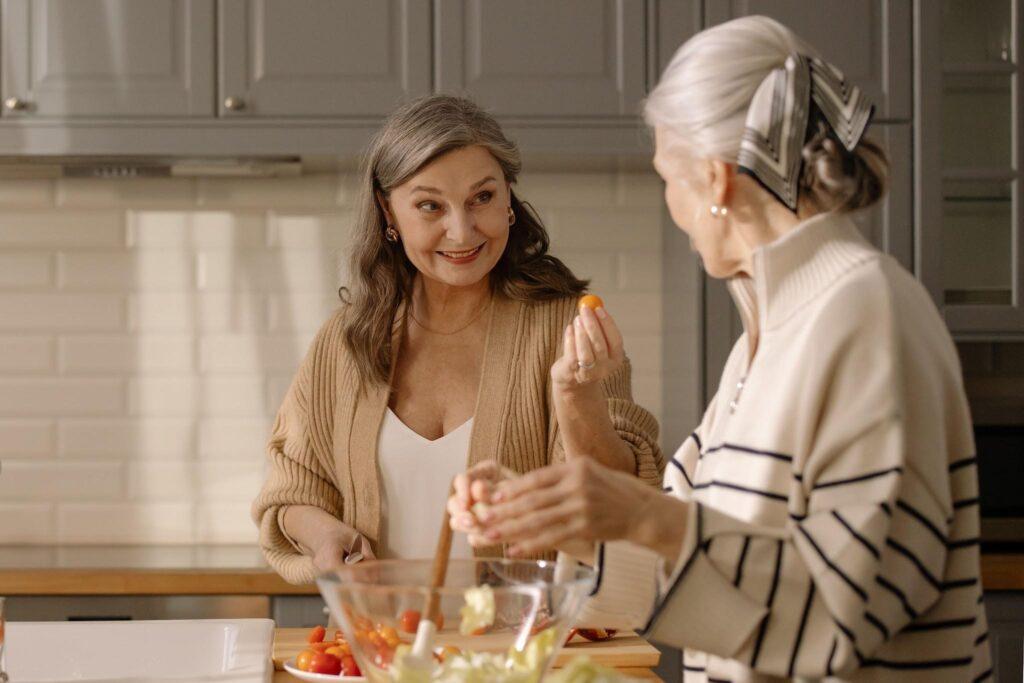
Modern senior living dining has transformed into a balanced blend of health support and genuine social connection. Facilities prioritize personal dignity by offering menu autonomy and fresh meal choices every day. Operational upgrades help kitchen teams deliver high-quality meals without unnecessary delays.
Smart systems keep kitchen workflows organized as chefs focus on taste and presentation. Thoughtful dining programs build a welcoming environment where residents gather with excitement. Quality food service remains a clear indicator of exceptional senior care.