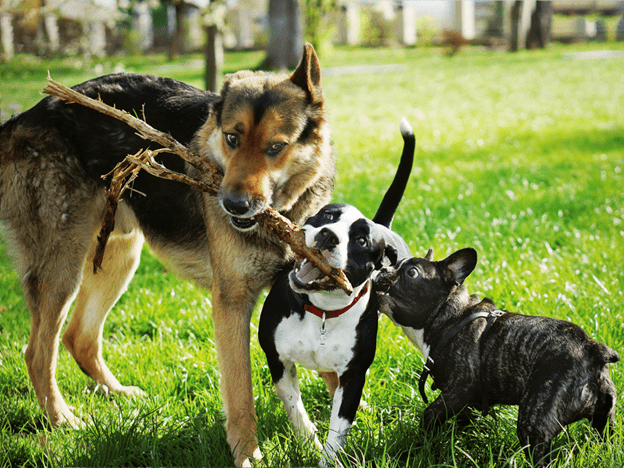
Can Dogs Play Too Much When Fun Becomes a Problem
Play is a vital part of dogs lives. Play provides dogs with exercise and mental stimulation. Play also provides dogs with opportunities to express natural behaviors such as chasing, fetching and exploration. While regular play helps support both physical and emotional well-being for dogs.
Prolonged or overly intense play can lead to fatigue, injuries and stress when a dog does not know its own limits. Knowing how much activity is healthy and how much is overexertion will help keep your dog’s playtime enjoyable without causing harm to their health.
Why Dogs Don’t Always Know When to Stop
Many Dogs get so into a game that they continue long after they feel tired. This is especially true when balls, frisbees and interaction with other Dogs are involved. Excitement and adrenaline may mask the signs of fatigue, temporarily allowing Dogs to run or jump despite increasing physical strain.
Younger Dogs and high-energy breeds tend to push themselves harder than most Dogs. Because Dogs rarely depend on anyone else but you (their owner) to regulate their level of activity, recognizing the signs of fatigue is very important.
Factors That Increase the Risk of Overexertion
Not all dogs have the same level of endurance. The following factors will determine what type of physical activity is best suited for your dog.
Age
Puppies have growing bones and joints that are susceptible to injuries due to excessive stress. As well, senior dogs will have declining muscle mass and joint health (e.g., osteoarthritis) as they grow older.
Breed
Working and sporting breed dogs generally have better endurance than brachycephalic breed dogs or short-legged dogs. Even so, any working dog can become exhausted when there is too little time provided for resting.
Weather
In addition to heatstroke and dehydration, playing with your dog in extreme heat or humidity makes it harder for them to effectively lose body temperature via panting.
Health Conditions
Some common health issues in dogs include heart disease, respiratory disorders, arthritis and obesity. All of these could result in your dog getting tired faster and needing to have their playtime shortened and monitored.
Signs That a Dog Is Becoming Overtired
Fatigue does not usually show itself while you are actively engaging with your pet. It may take some time to realize your dog is tired, so notice the early signs before he ceases voluntary participation in play.
Some common symptoms of an overworked dog include:
● Slowing down or lagging behind
● Excessive panting that continues after activity stops
● Frequent pauses during play
● Reduced enthusiasm for chasing toys
● Stiff or awkward movement
● Seeking shade or lying down unexpectedly.
Common Play-Related Injuries
While many play sessions conclude without a problem, repeated motion and high-velocity activities both raise an injury risk.
Muscle Strains
Muscles are stretched (over-stretched) when there is sudden speed up and down or by playing aggressively, which results in short-term lameness and discomfort.
Joint Injuries
Repetitive twisting movements or quick directional changes, as well as poor landing, will put excessive force on the joint, ligaments and soft tissue. The active dog has a higher potential for knee, shoulder and wrist injury.
Paw Injury
The dog’s paws can be damaged due to running on rough surfaces such as hot asphalt, rocks, etc. This type of surface damage can also lead to cuts or damage to the paw pad, breaking off their nails and so forth.
Dental Injuries
During aggressive ball-catching or if they run into other animals or structures while chasing a ball, the dog can break or chip a tooth.
Heat and Dehydration During Play
Overheating is one of the highest risks associated with continued activity.
Unlike humans, dogs can regulate their body temperature much differently than we do. Dogs have little ability to sweat effectively. Therefore, constant physical exertion at outdoor temperatures above comfortable levels may result in rapid increases in the animal’s body temperature.
In the early stages, you should look for increased heavy breathing, excessive slobbering, bright red gums and an overall lethargic appearance. As the condition progresses, the dog may develop weakness, confusion or collapse.
Regular water breaks and resting periods can help decrease your pet’s chance of heat-related issues, but it is always best to take extreme precautions during the warmer months.
Mental Fatigue Matters Too
Physical exhaustion alone doesn’t provide the full picture. There are also intense physical demands that are placed upon a dog’s brain. While highly energetic pursuits like constant chasing or excessive excitement may be enjoyable for dogs, these types of high-energy, high-stimulation activities can lead to overstimulation.
As opposed to calming down after an event, many dogs continue to display signs of being mentally overstimulated by barking, whining, panting or having difficulty settling. Allowing both the body and the mind to recover through balancing energetic play with more relaxing activities will greatly help.
Giving Dogs Time to Recover
After you have exercised your dog, recovery is important for the health and well-being of your dog. Your dog’s muscles, joints and connective tissue all require time to heal and repair after exercise. The more frequently you alternate active play with rest, the lower the risk there is of developing overuse injuries.
In addition, if you allow your dog to take more frequent, shorter rest periods during play (as compared to one longer break), it will significantly reduce the wear and tear on their body over a period of years. After a dog has engaged in an activity that requires a significant amount of exertion (such as hiking, agility training, or prolonged fetch), they often benefit from light activity the next day.
Safe Ways to Keep Play Balanced
Regardless of how much time you spend playing with your dog, quality is more important than quantity. Rather than keeping track of how long your dog plays at each session, watch your dog’s pace during each play session. Most dogs appreciate short breaks every 15-20 minutes during vigorous play. Additionally, changing what type of activities you do can help reduce repetitive stress.
For instance, when doing a fun game like fetch, walking your dog, doing scent games, or exploring new areas gently, you are providing both physical and mental stimulation without placing unnecessary strain on the same muscle groups and joints. The surface you choose to engage in play on also makes a difference. Soft surfaces like grass are easier on joints than hard surfaces like concrete or uneven terrain.
When Fatigue Requires Attention
Most dogs will recover from overplay by resting and getting hydrated.
However, a persistent limp, reluctance to place weight on an affected leg, lethargy lasting longer than one day or vomiting, collapsing or having trouble breathing after exercise cannot be overlooked.
These symptoms could represent serious injury, heat stroke, heat exhaustion or other medical conditions that require immediate veterinary attention.
Additionally, a dog that becomes exhausted after only mild exercise may also suffer from a chronic medical condition causing decreased endurance.
Conclusion
While playtime is essential for a dogs physical and mental wellbeing, excessive playtime can also cause problems. Overexercise, injury, heat-related illnesses and fatigue are all possibilities if your dog continues to play past his limit. Recognizing the early signs of exhaustion and providing adequate time to rest, as well as limiting the amount of exercise based upon your dogs age, overall health and fitness level, you can ensure your dog enjoys its playtime while maintaining safety.