Inside the Research-Peptide Boom: What the Longevity Conversation Leaves Out
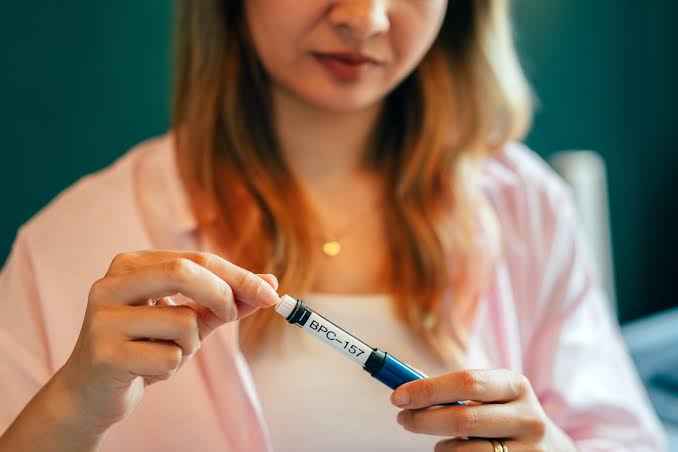
The wellness world has developed a fascination with peptides — short chains of amino acids that researchers study for their role in cell signaling, tissue repair, and metabolic pathways. Walk through any biohacking forum or longevity expo and you will hear names like BPC-157 GHK-Cu, TB-500, and KPV traded like insider stock tips. What usually gets lost in the enthusiasm is a simple but important distinction: the peptides driving genuine scientific interest are laboratory reference materials, studied in controlled research settings. They are not consumer products, and they are not something a magazine can responsibly tell you to use.
That distinction matters, because the gap between an actively researched compound and a product marketed to the public is exactly where quality and credibility live. In legitimate laboratory work, a peptide is only as trustworthy as its documentation. Researchers do not start with the question of whether something works; they start with what its purity is, what the batch number is, and where the certificate of analysis lives. Those questions are the real story behind the buzzwords.
Consider the multi-component research blends that have become a talking point lately. A blend such as KLOW — a research-grade combination of BPC-157, GHK-Cu, TB-500, and KPV — is interesting to laboratories precisely because studying several compounds from a single, documented lot removes variables that plague piecemeal sourcing: one batch number, one certificate of analysis, and consistent ratios across every vial. Suppliers who take the research audience seriously, like Summit Research Supply, publish lot-specific, third-party HPLC purity results for every batch and let anyone verify a vial’s certificate before it ships.
For the merely curious reader, the useful takeaway is not a shopping list — it is a literacy upgrade. If you are going to follow the peptide conversation, learn to read the paperwork the way a laboratory would (a full walkthrough of how to read a Certificate of Analysis covers each field in depth):
- Purity, stated as an HPLC percentage against a reference standard and tied to a batch number you can check.
- A certificate of analysis that is independent and lot-specific, not a generic PDF reused across products.
- Endotoxin and identity testing, not just a purity headline.
- Transparent, consistent naming, so the same compound is not quietly relabeled to dodge scrutiny.
None of this is medical advice, and nothing here suggests a use for these materials outside a controlled research environment — that is genuinely the point. The compounds are reference materials for study. But the documentation standards that separate a credible research supplier from a hype merchant are the same standards a discerning consumer should look for in any wellness category, from supplements to skincare.
The longevity field will keep generating headlines faster than the science can settle them. The people who navigate it well will not be the ones chasing the newest acronym; they will be the ones who learned to ask for the certificate. In a market long on promises and short on proof, asking to see the batch data may be the most sophisticated wellness question there is.