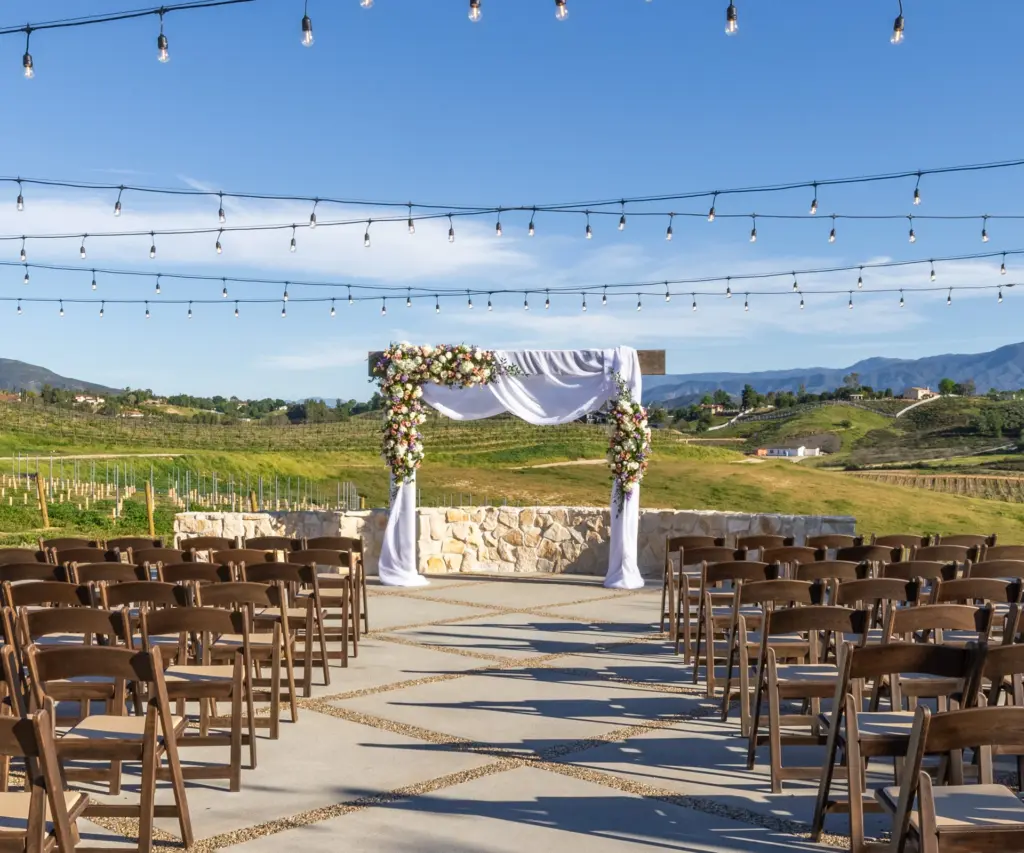
From Vineyard Vows to a Timeless Film – Capturing a Temecula Wedding
Temecula weddings have a visual character that is difficult to recreate anywhere else. Rows of vineyards stretch across rolling hills, warm sunlight settles over the landscape, and outdoor ceremonies often transition naturally into evenings beneath string lights and open skies.
These surroundings are beautiful on their own, but creating a meaningful wedding film requires more than simply recording the scenery. The filmmaker must understand how to use the location, light, movement, sound, and genuine emotion to tell a story that still feels personal years later.
A timeless Temecula wedding film should not feel like a collection of random highlights. It should bring the couple back to the atmosphere of the day, the words they exchanged, and the people who celebrated beside them.
Let the Temecula Landscape Establish the Story
The opening of a wedding film introduces viewers to the world of the celebration. In Temecula, the natural setting can become an important part of that introduction.
Wide shots of the vineyards, distant hills, venue architecture, and ceremony space can establish a sense of place before the couple appears on screen. Aerial footage may also help reveal the size and surroundings of the property, especially when the wedding takes place at a private estate or winery.
However, landscape footage should support the story rather than exist only for visual impact. A sweeping view of the vineyard becomes more meaningful when it transitions into the bride looking through a window, the groom preparing with his closest friends, or guests arriving for the ceremony.
The location provides the setting, but the people give the film its emotional purpose.
Capture the Details Before the Day Begins Moving Quickly
Many of the details that make a wedding feel personal are prepared before guests arrive. The invitation suite, rings, floral arrangements, wedding attire, table settings, and ceremony decorations all reflect the couple’s style and planning.
These elements deserve to be documented, but they should not overwhelm the finished film. The strongest detail shots connect naturally to the people involved.
A close-up of the wedding rings may lead into the ceremony. Footage of a handwritten letter can be paired with the couple reading it. A carefully designed reception space becomes more powerful when guests enter and react to it for the first time.
Capturing these details early also becomes important because once the ceremony begins, the pace of the day can change quickly. Decorations may be moved, tables may fill with guests, and carefully arranged personal items may no longer be available to film.
Build the Timeline Around Temecula’s Light
Light is one of the most important elements in wedding filmmaking.
Temecula often receives strong afternoon sunlight, particularly during late spring, summer, and early fall. While the clear weather creates beautiful outdoor celebrations, direct overhead light can produce harsh shadows and make people uncomfortable during portraits.
A well-planned timeline can provide better visual results without taking the couple away from their guests for an extended period. Getting-ready footage can be captured near windows or in softly shaded areas. Family portraits may be scheduled in a location that avoids direct sunlight. The couple’s most cinematic portrait session can then take place closer to sunset.
During the final hour before sunset, the vineyards and surrounding hills often take on a warmer, softer appearance. Even 15 to 20 minutes of portrait time can provide opportunities for wide landscape scenes, natural walking shots, quiet close-ups, and relaxed interaction between the couple.
An experienced Temecula wedding videographer can coordinate with the photographer and planner to identify the strongest light while protecting the overall flow of the wedding day.
Preserve Genuine Moments Instead of Recreating Them
Some of the most valuable footage happens unexpectedly.
A parent may become emotional while helping with the dress. The groom may take a deep breath before the ceremony begins. The couple may exchange a private smile that no one else notices. These moments cannot always be scheduled, repeated, or directed.
The filmmaker must remain observant without becoming intrusive.
There are times when gentle direction is helpful. A filmmaker may position the couple near more flattering light, ask them to walk slowly together, or suggest that they take a quiet moment away from the reception. However, the interaction should still feel natural.
A timeless wedding film should look polished, but it should not make the couple appear as though they are acting. The goal is to create beautiful conditions for real moments, not to manufacture emotions that did not happen.
Record the Voices That Give the Film Meaning
Images show what the wedding looked like. Audio reveals what it meant.
The vows, speeches, letters, and spontaneous conversations provide the emotional foundation of a wedding film. Hearing the couple’s voices allows the story to feel more personal than a montage set entirely to music.
Professional audio recording is particularly important during outdoor Temecula ceremonies. Wind, traffic, guests, and venue equipment can interfere with the sound. Using multiple recording sources creates greater protection against technical problems.
A filmmaker may place a small microphone on the groom, officiant, or speaker while also recording directly from the DJ’s sound system. Reception speeches should be captured through both the soundboard and an independent backup whenever possible.
During editing, carefully selected lines from the vows or speeches can connect different scenes. A parent’s words may be heard over childhood photographs, preparation footage, or the couple walking through the vineyard. Real voices transform the film from a visual recap into a family record.
Use Movement with Intention
Movement can add elegance and energy to a wedding film, but it should always serve the moment.
A slow camera movement may reveal the ceremony space or follow the bride as she approaches the aisle. Aerial footage can show the relationship between the venue and the surrounding wine country. Handheld filming may create a more immediate feeling during emotional reactions or energetic dancing.
Not every scene needs dramatic motion. A stable composition can be more powerful during the vows, a parent’s reaction, or a quiet exchange between the couple.
The filmmaker must understand when to move with the action and when to allow the moment to unfold within the frame. Restraint often helps a wedding film feel more refined and timeless.
Prepare for the Transition from Sunset to Reception
Many Temecula weddings begin in natural light and continue well into the evening. Once the sun disappears, the visual conditions can change quickly.
Reception lighting should preserve the atmosphere while keeping important moments visible. Small professional lights can be positioned for introductions, speeches, first dances, parent dances, and open dancing. These lights should support the venue’s existing design rather than making the room feel overly bright.
String lights, chandeliers, candles where permitted, and warm uplighting can also give the reception greater depth on camera. Thoughtful lighting helps separate the couple from the background and keeps skin tones flattering.
Planning for the evening is especially important at outdoor or partially outdoor venues, where the surrounding area may become very dark after sunset.
Shape the Footage into a Complete Story
Filming provides the raw material, but editing creates the final experience.
A strong Temecula wedding film may begin with the landscape, a meaningful sentence from the vows, or a quiet moment during preparation. The story can then build through the anticipation of the ceremony, the emotions of the vows, the warmth of sunset, and the celebration of the reception.
The pacing should change naturally. Preparation scenes may feel calm and reflective. The ceremony may slow down to allow important words and reactions to breathe. The reception can become more energetic as the celebration grows.
Music should complement the story without overpowering it. Real audio, environmental sound, and carefully chosen transitions can make viewers feel as though they are returning to the wedding rather than simply watching a summary.
At A Colored Mind Wedding Films, the filmmaking approach combines cinematic visuals, documentary-style observation, professional audio, natural color, and intentional movement. The objective is to create a polished film while protecting the honesty and individuality of each wedding.
A Film That Becomes More Valuable Over Time
The vineyards, flowers, attire, and design may be the first things people notice in a wedding film. Over time, however, the voices and relationships often become its most valuable elements.
Years later, the couple will be able to hear their vows again, watch their parents’ reactions, revisit the speeches, and see loved ones celebrating together. Moments that seemed small during the wedding may eventually become some of the most meaningful parts of the film.
That is what turns beautiful footage into something timeless.
A Temecula wedding already provides a remarkable setting. When the scenery is combined with thoughtful planning, professional sound, intentional lighting, and genuine storytelling, the finished film becomes more than a record of the day. It becomes a lasting way to experience it again.