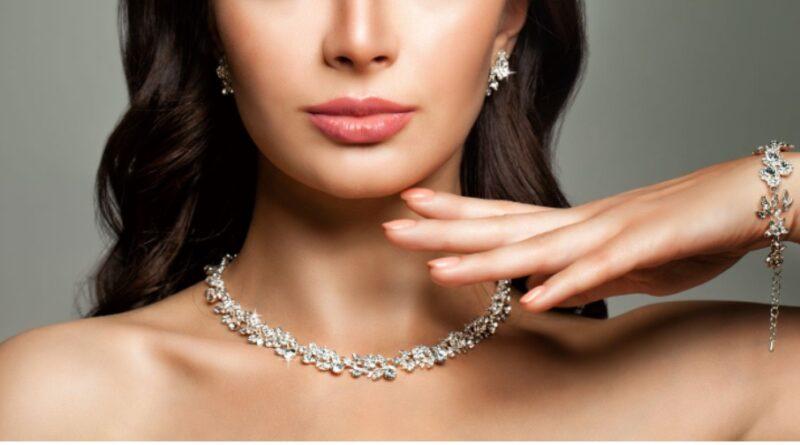
Comparative Guide to Choosing Lab Diamond Jewelry You Love
Two rings can look nearly identical side by side, sparkle for sparkle, and still be worlds apart in how they were made. That’s the case with lab grown and mined diamonds. Both are genuine diamonds in every physical sense, but the path each one takes before reaching a jewelry box couldn’t be more different, and that difference is exactly what this guide breaks down.
Rare Carat is a premium American jewelry brand that designs and manufactures its own pieces, with a name built on craftsmanship rather than shortcuts. The brand holds a 4.9 out of 5 rating on Trustpilot and has earned recognition as a top-ranked jeweler there, a track record that says a lot about what happens after a piece ships, not just what’s promised beforehand.
Table of Contents
- Lab Grown vs. Mined: What Actually Differs
- Comparing Cut, Clarity, and Color Across Both Types
- Setting Styles That Suit Lab Diamonds Best
- Where Craftsmanship Makes the Real Difference
- Making a Confident Final Choice
Lab Grown vs. Mined: What Actually Differs
Chemically, a lab grown diamond and a mined diamond are the same thing: pure carbon arranged in the same crystal structure. The difference is entirely in how that structure forms. Mined diamonds develop underground over millions of years under natural pressure and heat, while lab grown diamonds are created in controlled environments that recreate those same conditions on a much shorter timeline.
Neither process makes one diamond more “real” than the other, which surprises a lot of first-time buyers. Gemologists grade both using the same four Cs: cut, clarity, color, and carat weight. The only meaningful difference most buyers experience is price, since lab grown diamonds typically cost less for a comparable size and quality.
That price gap has made it possible to explore the Rare Carat collection without stretching a budget as far as buying an equivalent mined stone would require. It’s part of why lab grown options have become a serious consideration rather than a compromise.
Comparing Cut, Clarity, and Color Across Both Types
Cut quality matters equally for both diamond types, and it’s arguably the most important factor for how a stone actually looks on the hand. Cut a diamond well, lab grown or mined, and it’ll throw light the same way either time. Cut it poorly, and no price tag will fix how dull it looks.
Clarity grading follows the same scale for both types too, measuring internal characteristics that affect how clean a diamond looks under magnification. Most of these differences are invisible without a loupe, which means paying for a flawless clarity grade often buys peace of mind more than a visible upgrade.
Color grading works identically as well, running from colorless to increasingly warm tones. Buyers who want a bit of guidance figuring out which combination of these factors actually shows up to the naked eye can turn to free guidance from GIA-trained gemologists, who walk through grading in plain terms rather than technical jargon.
Setting Styles That Suit Lab Diamonds Best
Solitaire settings remain a strong choice for lab grown diamonds because they put the stone front and center with nothing competing for attention. This works particularly well with round or oval cuts, where the diamond’s natural brilliance does most of the visual work on its own.
Halo settings work a bit differently. Instead of one stone standing alone, a ring of smaller diamonds wraps around the center, so the whole thing reads bigger than the center stone actually is. This is a popular way to get a bigger look without paying for a larger center stone, and it works especially well with lab grown diamonds given the more accessible pricing involved.
Metal choice rounds out the decision. Platinum and white gold both give a cool, modern contrast against the diamond, while yellow and rose gold have gained popularity again for their warmer, more vintage character. None of these choices affect how a lab grown diamond performs, so the decision really comes down to personal style.
Where Craftsmanship Makes the Real Difference
Once a diamond is chosen, how it’s set becomes just as important as the stone itself. Every piece in Rare Carat Jewelry is handmade in the USA, one piece at a time, which allows closer attention to detail than mass production typically permits, especially around prong security and stone alignment.
Nothing ships without getting checked first. Symmetry, finish, how securely the stone sits, all of it gets looked over before a piece ever leaves, so what shows up at someone’s door actually matches what they ordered.
That same care shows up in how it arrives, too. Every order comes packed in Rare Carat’s premium branded packaging, which feels less like an afterthought and more like part of the whole experience.
Making a Confident Final Choice
Narrowing down options is easier with the right tools. A clean, modern, easy-to-use website with smart filters lets shoppers sort by shape, carat, metal, and setting instead of scrolling through everything at once, and advanced technology built into the site helps surface pieces that actually match specific quality preferences.
With more than 1,700 engagement ring styles and a collection that has grown to include over 2,500 fine jewelry pieces, there’s enough range to compare lab grown and mined options side by side before settling on one. Direct handling of returns, exchanges, and resizing also means a decision doesn’t have to be perfect on the first try, since adjustments are handled by the same team behind the original piece.
Choosing between lab grown and mined diamonds isn’t about picking a lesser option. It comes down to knowing what each one actually gives you, then matching that against your own budget, style, and priorities. Get the right guidance along the way, and that decision gets a lot easier to feel good about.