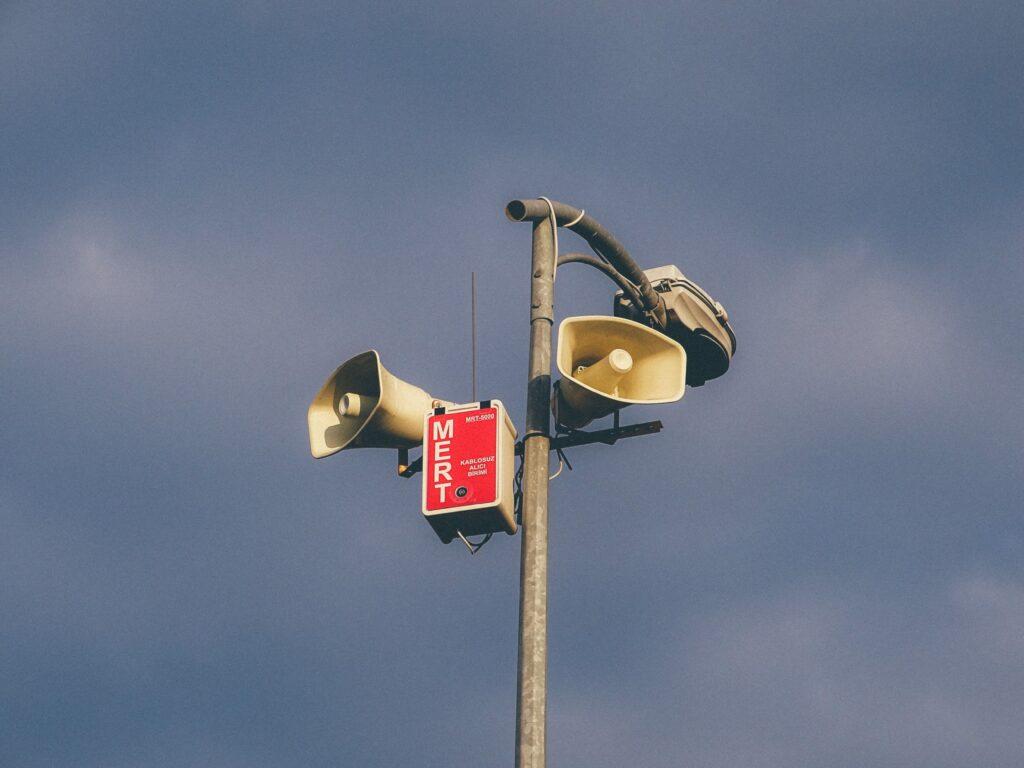
When the Siren Cuts Through the Lift: A Site That Trains for Both Emergencies
Midway through a precast panel lift on a mid-rise construction site in Brisbane, the crane operator eases off the controls and lets the load hang steady, a metre above its final position. It is not a mechanical fault. It is a scheduled drill — the site’s emergency alarm has just sounded, and everyone on the ground, including the two dogman guiding the panel by hand signal, needs to know exactly what happens next.
Within seconds, the load is brought to a safe, controlled stop, the crane is secured, and workers begin moving toward the muster point at the site’s northeast corner. A worker in an orange vest — not a manager, not a safety officer, just a trades worker with an additional qualification — starts directing the flow of people, checking a section of the site that a supervisor might otherwise miss. The drill runs for six minutes. Nobody treats it as an inconvenience.
The Person Who Decides How a Load Actually Moves
To understand why that lift could be paused so cleanly, it helps to understand what the dogman standing beside it was doing in the first place. On any complex lift — precast panels, structural steel, plant equipment being craned into position — the crane operator is often working with limited visibility of the far side of the load, the swing path, or the exact clearance around nearby structures. The person filling that gap is the dogger, reading the load and directing its movement by hand or radio signal.
Earning a licence to perform dogging means completing a five-day, fully practical assessment covering hazard identification and risk assessment, selecting and inspecting lifting gear, setting up the worksite and equipment correctly, slinging loads and directing crane movement, and safely shutting down at the end of a lift. There is no shortcut through theory alone — assessors need to see a candidate manage a real lift under real conditions, including the judgment calls that come up when something on site doesn’t go exactly to plan. That judgment is exactly what showed up in the drill: a dogger who could bring a live lift to a safe stop in seconds, rather than freezing or improvising, because stopping a lift safely under pressure is functionally the same skill as running one safely under normal conditions.
What Happens in the Six Minutes After the Alarm
A pause on a crane lift is only the first move in a much larger sequence, and that sequence does not run itself. Somebody on site needs to know the muster point layout, recognise the difference between alarm tones, account for every worker in their zone, and communicate clearly with arriving emergency services — all while dozens of people are moving at once, some mid-task, some without full awareness of what triggered the alarm.
That is the role covered by Fire / Emergency Warden Training, delivered under the nationally accredited PUAFER005 unit. The two-hour, hands-on course prepares nominated staff to recognise alarms and initiate an appropriate response, coordinate an orderly evacuation to a designated assembly area, communicate effectively with emergency services once they reach site, and carry out the headcount and incident reporting that follow. It is a short course by design — the goal is not lengthy theory but a practised, repeatable sequence of actions that a warden can execute without hesitation, because hesitation is exactly what a live emergency does not allow for.
Two Qualifications Built for the Same Kind of Pressure
What becomes clear watching a site run both roles well is how much they share underneath the surface. A dogger is trained to read a dynamic, changing situation — a swinging load, shifting ground conditions, workers moving nearby — and issue clear, unambiguous direction that others act on immediately. An emergency warden is trained to do essentially the same thing, just with people instead of a suspended load: read a changing situation quickly, issue clear direction, and keep moving through a set sequence until everyone is accounted for. That overlap is not incidental. Sites running high-risk lifting operations are, almost by definition, sites where an emergency response plan matters more than most — heavy plant, suspended loads, and large crews working close together create exactly the conditions where a fast, well-coordinated evacuation can be the difference between a contained incident and a serious one. Supervisors increasingly build training calendars around that reality, making sure dogging crews include workers who also hold warden qualifications, rather than assuming the two skill sets belong to entirely separate people.
Back to the Lift
Once the drill wraps and the all-clear sounds, the crew returns to position within minutes. The dogger raises a hand, the crane operator eases the controls forward again, and the precast panel completes its slow arc into place exactly where it was heading before the alarm interrupted it. Nothing about the pause damaged the schedule. If anything, the site left the exercise more confident than it started — proof, in real time, that the people running its riskiest task could also be trusted to run its most urgent one.