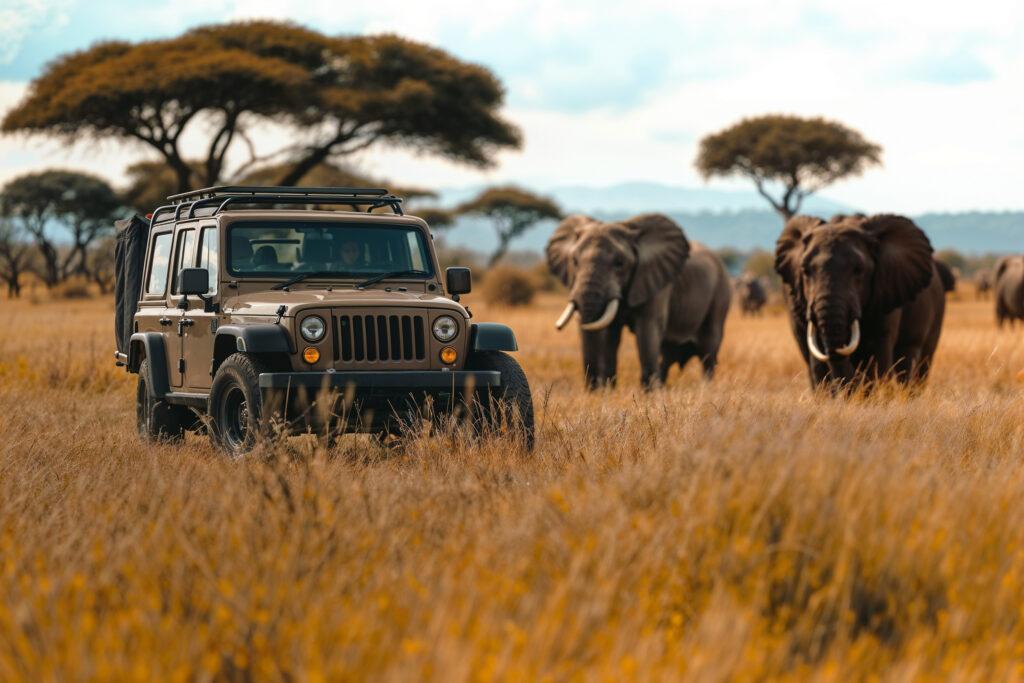
How to Maximise Wildlife Sightings During a Tanzania Safari
A Tanzania safari can feel almost cinematic: lions draped over kopjes, elephants threading through acacia woodland, a riverbank suddenly alive with hippos at dusk. But remarkable sightings are rarely just a matter of luck. The best safaris are shaped by timing, route choice, daily rhythm, and a few small decisions that make a big difference once you’re out in the bush.
If your goal is to see more wildlife, and see it better, it helps to think like a guide. Animals move according to water, temperature, food, pressure, and breeding cycles. The more your plans align with those patterns, the less your safari depends on chance. Tanzania rewards travellers who understand that the right place at the right hour often matters more than simply visiting a famous park.
Choose for wildlife patterns, not just famous names
It’s easy to build an itinerary around headline destinations alone. The Serengeti deserves its reputation, of course, but wildlife viewing improves when you match parks to seasonal behaviour rather than popularity.
Match the season to what animals are doing
Dry season, broadly from June to October, is often the easiest time for game viewing. Vegetation thins out, animals gather around water, and roads are generally more accessible. In Tarangire, for instance, this is when elephant numbers become especially impressive as herds concentrate near the river. In the Serengeti, predator sightings can be excellent because prey becomes more visible and movement patterns narrow.
That said, the green season has its own advantages. From roughly January to March, the southern Serengeti and Ndutu area can be extraordinary for calving season, with thousands of wildebeest dropping young over a short period. Where there are vulnerable calves, predators won’t be far away. Birdlife also peaks during the wetter months, which matters if your idea of a great sighting extends beyond the classic big mammals.
Cover different habitats to improve your odds
One of the smartest ways to maximise sightings is to avoid spending every day in the same ecosystem. Open plains, river corridors, crater floors, and baobab-dotted woodlands all favour different species and behaviours. A more varied route naturally increases the range of animals you’re likely to encounter.
That’s why travellers often get stronger viewing from an itinerary that combines several northern circuit landscapes rather than focusing on one stop alone. A multi-destination safari adventure experience can expose you to everything from migratory herds to dense predator territory and high concentrations of resident game, simply because each area solves a different part of the wildlife puzzle. Diversity in habitat usually translates into diversity in sightings.
Structure your day around animal behaviour
A lot of first-time visitors underestimate how much timing shapes what they see. Midday is often the quietest period on safari, especially in warmer months. Predators rest. Herbivores seek shade. The landscape can look empty even when it isn’t.
Early mornings and late afternoons matter most
If you want your best chance of memorable sightings, protect the first and last light of the day. Dawn is when temperatures are lower, movement increases, and predators may still be active from the night before. Late afternoon often brings a second wave of activity as animals rise, drink, graze, and reposition before dark.
This is also when light is best for actually observing behaviour. You’re not just “ticking off” species; you’re more likely to watch a hunt develop, a herd interact, or a leopard descend from a tree. Those moments usually happen in the edges of the day, not in the middle of it.
Stay longer when something is unfolding
There’s a temptation to keep driving in search of the next sighting, especially when excitement is high. Experienced guides know that patience often pays better than constant movement. A pride of lions lying still may not look dramatic for the first ten minutes, but if one lioness starts tracking a nearby zebra, that stillness can turn into the highlight of the trip.
The same principle applies to birdlife, elephants at water, or a cheetah scanning termite mounds. Behaviour reveals itself over time. Don’t rush every encounter.
Work with your guide, not around them
A skilled guide is one of the biggest factors in safari success. Good guides are reading far more than the obvious. They notice alarm calls, fresh tracks, circling vultures, disturbed grass, and the direction other animals are watching.
Ask better questions
Instead of asking only, “Where can we see lions?” try asking, “What animals are active in this area this morning?” or “What signs are you following?” Those questions invite your guide to share how they’re interpreting the bush in real time. You’ll get a richer experience and often better sightings because you understand the logic behind route changes and pauses.
Keep noise and movement under control
Wildlife doesn’t always flee dramatically; sometimes it just withdraws before you notice it. Small habits help:
- Speak quietly near sightings
- Avoid sudden standing or leaning out
- Keep phones on silent
- Follow your guide’s positioning instructions
- Be ready with binoculars before the vehicle stops
These details sound minor, but they can be the difference between a fleeting glimpse and several calm minutes with an animal behaving naturally.
Pack for seeing, not just photographing
Many travellers prepare for safari as if it’s purely a photography trip. Even if you do plan to shoot extensively, equipment that helps you observe well is just as important.
Binoculars are essential, not optional. A lightweight pair makes distant cats, raptors, and subtle movement far easier to pick out. Neutral-coloured clothing helps you blend into the environment, particularly on walking safaris or in open vehicles. Layers matter too: mornings can be surprisingly cold, and discomfort has a way of shortening attention spans.
It’s also worth managing your camera use. If you spend every second looking through a lens, you’ll miss context, behaviour, and cues your guide is trying to point out. Some of the best safari memories happen before the perfect shot is even possible.
Keep expectations ambitious but realistic
Tanzania is one of the world’s great wildlife destinations, but even here, nature doesn’t perform on command. You may see a leopard in the first hour or spend days searching for one. You might witness a dramatic hunt, or you might come home talking instead about a quiet, unforgettable moment with a family of elephants crossing the road at sunset.
The irony is that travellers who see the most are often the ones who stop chasing a checklist too aggressively. They choose the right season, spread their time across suitable habitats, commit to early starts, trust their guide, and stay attentive when the bush seems quiet.
That’s really the secret. More sightings don’t come from trying to force the experience. They come from aligning yourself with how Tanzania’s wildlife already lives.