How Sirens Help Clear the Road During Emergencies
During an emergency, every second can matter. Police officers, firefighters, and medical responders may need to travel quickly through heavy traffic, busy intersections, narrow streets, or crowded neighborhoods. Drivers may not always see an emergency vehicle approaching, especially when buildings, large trucks, or other vehicles block their view. A police siren provides a strong sound warning that tells nearby drivers an emergency vehicle is coming. The sound can reach motorists before flashing lights become visible, giving them more time to slow down, move aside, and create a safe path. Sirens help emergency teams reach their destination faster while reducing confusion on the road. They are an important part of safe and organized emergency response.
Sirens Alert Drivers Before They See the Vehicle
Drivers usually depend on their vision to understand what is happening around them. However, emergency vehicles may approach from behind, around a curve, or from a nearby street. In these situations, drivers may hear the siren before they see the vehicle. This early warning allows motorists to check their mirrors, look for the direction of the sound, and prepare to move safely. Without an audible signal, drivers might not notice the emergency vehicle until it is very close. Sirens are especially useful in areas with heavy traffic or limited visibility. Tall buildings, parked vehicles, trees, and road barriers can make it difficult to see flashing lights from a distance. A clear sound signal helps drivers recognize the situation sooner.
Different Siren Tones Attract Attention
Emergency sirens often use changing tones instead of one continuous sound. A changing pattern is more likely to attract attention because it stands out from normal road noise. Traffic can be loud, especially in busy cities. Engines, horns, construction equipment, music, and conversations can make it harder for drivers to notice a single steady sound. Different siren tones help overcome this background noise and make the warning easier to recognize. Vehicle siren systems may include several sound patterns that can be used for different road conditions. A slower pattern may be useful on open roads, while a faster or more urgent pattern may help near intersections and crowded areas. Changing the sound can also help prevent drivers from becoming used to one tone. A noticeable variation encourages motorists to remain alert and identify where the emergency vehicle is coming from.
Helping Drivers Know When to Move Aside
A siren communicates that drivers should take action. In most situations, motorists should slow down, stay calm, and safely pull toward the side of the road when possible. Drivers should avoid stopping suddenly or making unsafe lane changes. Quick, unexpected movements may block the emergency vehicle or create a collision risk. A siren gives motorists time to consider their surroundings and choose a safe place to move. When traffic is crowded, drivers may need to move gradually rather than immediately. Several vehicles working together can create a clear path through the center or side of the road. Calm and predictable movement helps the emergency vehicle pass safely.
Clearing Busy Intersections
Intersections are among the most dangerous areas for emergency vehicles. Drivers may have a green light and begin moving without seeing a police vehicle approaching from another direction. A police siren warns motorists, cyclists, and pedestrians that normal traffic patterns may temporarily change. People can pause, check the surrounding roads, and wait for the emergency vehicle to pass. Emergency warning lights also help make the vehicle more visible, but drivers may not notice them if their view is blocked. The combination of sound and flashing lights provides a stronger warning than either system alone. Emergency vehicle operators must still approach intersections carefully. Sirens help clear the way, but responders cannot assume that every driver has heard or understood the warning.
Supporting Emergency Response in Heavy Traffic
Traffic jams can delay emergency response, especially during rush hour. Roads may be filled with vehicles, and there may be limited space for drivers to move aside. A loud siren alerts several rows of traffic, allowing drivers farther ahead to begin creating space before the emergency vehicle reaches them. This gradual reaction can help open a route through a crowded road. Motorists may need to move closer to the shoulder, enter an open lane, or remain stopped while the emergency vehicle passes. The best response depends on the road design and traffic conditions. Police warning equipment helps communicate urgency, but drivers should continue to follow traffic rules and avoid actions that may place others in danger.
Warning Pedestrians and Cyclists
Sirens are not only for motorists. Pedestrians and cyclists also need to know when an emergency vehicle is approaching. A person crossing the road may not notice flashing lights if they are facing the opposite direction. A cyclist may be focused on traffic directly ahead and fail to see a vehicle coming from behind. The sound of a siren encourages them to stop, look around, and move away from the emergency vehicle’s path. This warning is especially important near schools, shopping areas, parks, and public transportation stops. These locations may have many people close to the road. Pedestrians should avoid stepping into the street until the emergency vehicle has fully passed. Cyclists should slow down and move to a safe position without making sudden turns.
Helping During Nighttime Emergencies
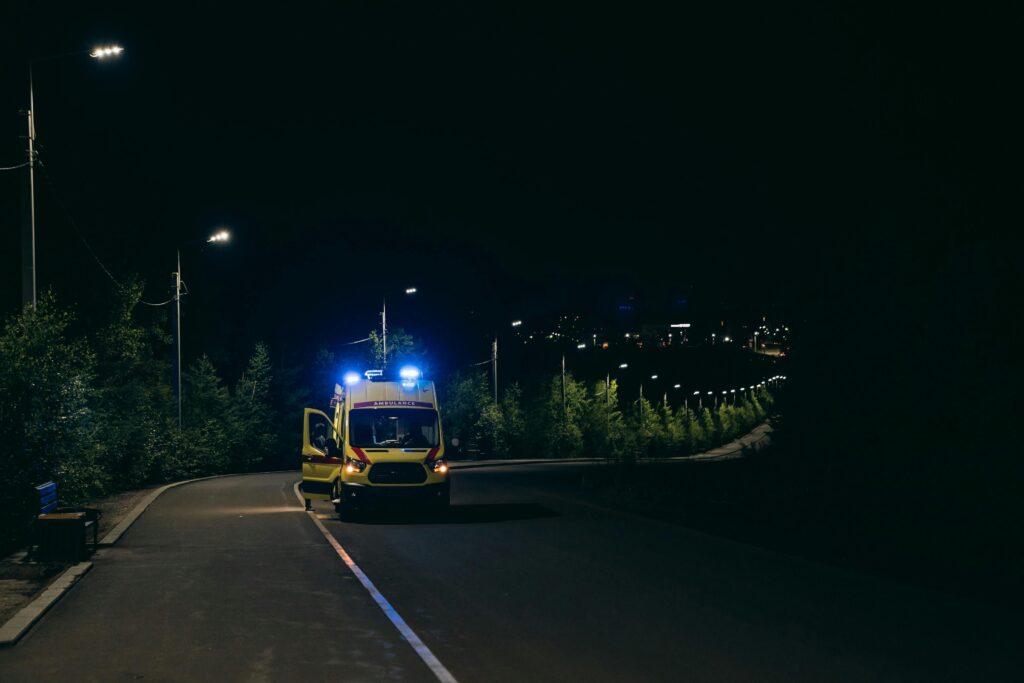
Night driving creates additional challenges for both emergency responders and other motorists. Darkness may make it difficult to judge the speed and distance of an approaching vehicle. Flashing lights are usually easy to notice at night, but bright signs, streetlights, and headlights may create visual distractions. A siren adds an audible signal that clearly identifies the presence of an emergency vehicle. The sound can also warn people near homes, parking areas, and poorly lit roads. Drivers leaving a driveway or side street may hear the siren and wait before entering the road. Using visual and sound warnings together gives people more ways to notice and respond to the emergency.
Improving Safety During Poor Weather
Rain, fog, and snow can reduce visibility and make emergency travel more difficult. Drivers may not see flashing lights clearly through heavy rain or thick fog. An audible warning can reach drivers even when weather conditions block their view. However, closed windows, strong rain, vehicle insulation, and loud music may still make sirens harder to hear. Drivers should keep their surroundings in mind during bad weather and regularly check their mirrors. Lowering music volume can also help motorists notice important warning sounds. Emergency responders must adjust their speed and driving style to match the weather. Sirens provide a warning, but careful driving remains essential.
Reducing Confusion at Emergency Scenes
Sirens may also be used when police officers approach an active emergency scene. The sound can warn nearby motorists that they need to slow down, stop, or avoid a certain area. Accident scenes may include damaged vehicles, road debris, injured people, and responders working near traffic. Early warning helps approaching drivers prepare for changing road conditions. Once the emergency vehicle reaches the scene, the siren may be turned off to reduce noise and allow responders to communicate clearly. Flashing lights, cones, signs, and officer directions can then guide traffic around the area. Proper use of emergency signals helps create a more controlled environment for workers and the public.
Sirens Must Be Used Responsibly
A siren is powerful because it immediately attracts attention. For this reason, it should only be used when necessary and according to applicable rules and procedures. Unnecessary use can create confusion, disturb nearby communities, and reduce the effectiveness of the warning. Drivers may also react suddenly if they hear a siren without understanding where the emergency vehicle is located. Emergency vehicle operators receive training on how to use sirens, lights, and safe driving techniques together. They must consider road conditions, traffic volume, location, and the urgency of the call. Responsible use ensures that the warning remains clear, trusted, and effective during real emergencies.
Drivers Have an Important Role
Sirens can only help clear the road when drivers respond properly. Motorists should remain calm, check their mirrors, use turn signals, and move to a safe area when possible. Drivers should never follow closely behind an emergency vehicle to move through traffic faster. The road may still contain hazards, and additional emergency vehicles may be approaching. Motorists should also avoid blocking intersections. Even when the light is green, drivers should wait if traffic ahead prevents them from fully crossing. Keeping intersections open gives emergency vehicles more room to pass. Attention and cooperation help responders reach people who may urgently need assistance.
Sirens Support Faster and Safer Emergency Travel
A police siren is an essential communication tool during urgent situations. It alerts drivers, pedestrians, and cyclists before they may be able to see the approaching vehicle. This early warning gives people more time to move aside and create a safe path. Sirens also help emergency vehicles travel through intersections, heavy traffic, poor weather, and crowded areas. When combined with emergency lighting and careful driving, they support a faster and more organized response. The effectiveness of any siren depends on how people react. Staying alert, moving safely, and following traffic rules can help emergency responders reach their destination without unnecessary delays.