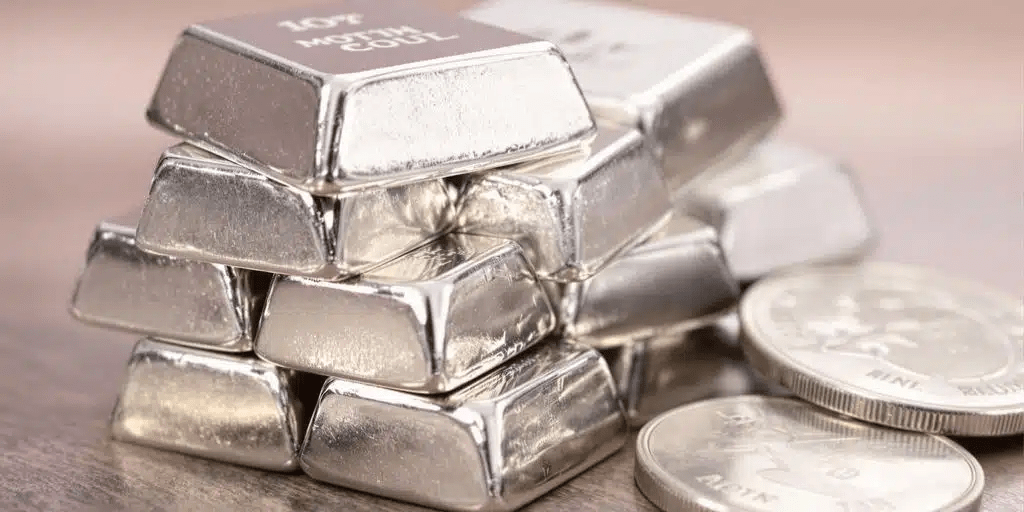
The Pros of Buying Silver
Silver has long been valued as both a precious metal and an industrial commodity. While it is often overshadowed by gold, many investors see silver as an affordable way to diversify their portfolio and potentially benefit from long-term economic and technological trends. Here are some of the biggest advantages of buying silver.
1. Lower Entry Cost
One of silver’s biggest advantages is affordability. Compared to gold, silver allows investors to build a precious metals position without needing a significant amount of capital. This makes it attractive to first-time investors and those making regular monthly purchases.
2. Portfolio Diversification
Adding silver can reduce overall portfolio risk because it often behaves differently from stocks and bonds. During periods of market uncertainty, precious metals may help offset losses elsewhere in an investment portfolio. Financial analysts often suggest only a modest allocation rather than making silver a dominant holding.
3. Hedge Against Inflation
When inflation erodes the purchasing power of cash, tangible assets such as silver have historically attracted investors looking to preserve wealth. While silver is not a guaranteed inflation hedge, it has often performed well during periods of rising prices and economic uncertainty.
4. Strong Industrial Demand
Unlike gold, silver has extensive industrial applications. It is used in:
- Solar panels
- Electric vehicles
- Consumer electronics
- Medical equipment
- Batteries
- Telecommunications
As renewable energy and advanced technology sectors continue to grow, industrial demand may provide long-term support for silver prices.
5. Multiple Ways to Invest
Investors can choose the method that best suits their goals:
- Physical coins and bullion
- Silver bars
- Exchange-traded funds (ETFs)
- Silver mining stocks
- Futures contracts (for experienced investors)
This flexibility allows investors to balance convenience, liquidity and direct ownership.
6. Tangible Asset
Physical silver is a real asset that cannot disappear because of a company bankruptcy or technical failure. Many investors appreciate owning something they can physically hold, particularly during periods of financial uncertainty.
7. Potential for Higher Percentage Gains
Silver is generally more volatile than gold. While that means greater downside risk, it also creates the potential for larger percentage gains during strong bull markets.
8. Supply Constraints
Silver production is relatively limited, and much of it is produced as a by-product of mining other metals such as copper and zinc. If industrial demand continues to rise while supply remains constrained, this imbalance could support higher prices over the long term.
9. High Liquidity
Investment-grade silver coins and bars are widely recognised and can usually be bought or sold through dealers around the world. Well-known products such as American Silver Eagles, Canadian Maple Leafs and Britannias typically enjoy strong resale demand.
10. Wealth Preservation
Many investors view silver as a long-term store of value rather than a vehicle for rapid gains. It has retained purchasing power across centuries and remains one of the world’s most widely recognised precious metals.
Final Thoughts
Silver offers a unique combination of affordability, diversification and industrial demand that sets it apart from many other investment assets. While prices can be volatile in the short term, investors who take a long-term view often appreciate silver’s role as both a precious metal and an essential industrial material. Like any investment, it works best as part of a diversified portfolio rather than as a single all-in strategy.