The Biggest Benefits of Learning From Home
Learning from home has become a practical educational choice for many families. Instead of following a traditional classroom routine, students can complete lessons in a familiar environment while receiving structured academic support online. This learning method can help students balance school responsibilities, personal interests, family commitments, and individual learning needs. Families exploring online classes in Utah may discover that home-based education offers more than convenience. It can provide a personalized learning experience, reduce common classroom distractions, and give students greater control over their daily schedules. Although every learner has different needs, studying from home can create a comfortable and productive path toward academic success.
A More Flexible Daily Schedule
One of the biggest advantages of learning from home is having greater flexibility. Traditional schools usually follow fixed schedules, requiring students to attend specific classes at set times. Online learning may allow students to complete certain activities when they are most focused and prepared to learn. Some students concentrate better early in the morning, while others need more time before beginning challenging subjects. A flexible schedule allows families to build a routine that supports the student’s natural learning habits. It can also make it easier to schedule medical appointments, extracurricular activities, sports, or family responsibilities without missing an entire school day. Flexibility does not mean students can ignore deadlines or avoid responsibilities. They still need an organized routine, clear goals, and consistent study habits. However, having more control over the schedule can reduce unnecessary stress and make the school day feel more manageable.
A Comfortable Learning Environment
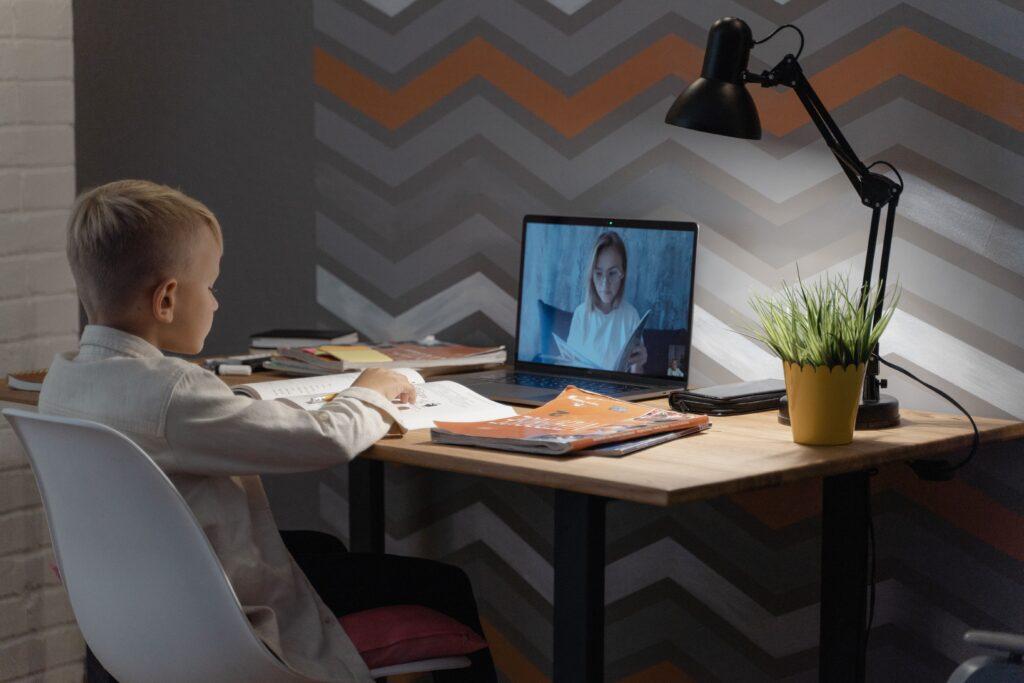
A student’s surroundings can affect attention, motivation, and academic performance. Learning from home allows families to create a study space that matches the student’s needs. This space may include a quiet desk, comfortable chair, proper lighting, learning supplies, and limited distractions. Some students feel anxious in large classrooms or become overwhelmed by constant noise and activity. A calm home environment may help them feel safer and more confident while completing lessons. Students can take appropriate breaks, move to a quieter area, or use helpful learning tools without worrying about attracting attention from classmates. Comfort can also encourage students to ask more questions. Learners who are nervous about speaking in front of a classroom may feel more comfortable sending a message to a teacher or participating in a smaller virtual discussion. A supportive environment can help students remain engaged and willing to learn.
More Personalized Learning
Students do not all learn at the same pace. Some understand new concepts quickly, while others need additional examples, practice, or explanation. Home-based learning can give students more time to focus on difficult topics without feeling pressured to keep up with the rest of a classroom. In a structured virtual school, students may have access to recorded lessons, digital resources, practice activities, quizzes, and teacher feedback. They can review important material more than once when necessary. Students who understand a lesson quickly may also be able to move forward without waiting for others. This personalized pace can help prevent frustration and boredom. Learners receive more opportunities to strengthen weak areas while continuing to develop their strongest skills. Greater control over lesson pacing can support a deeper understanding of academic material.
Fewer Social and Classroom Distractions
Traditional classrooms can include many distractions, such as side conversations, interruptions, peer pressure, and conflicts between students. These challenges can make it difficult for some learners to concentrate, even when they genuinely want to succeed. Learning from home can reduce many of these distractions. Students can focus on lessons without constantly worrying about what classmates are doing or saying. This may be especially helpful for learners who have experienced bullying, social anxiety, or difficulty concentrating in crowded environments. Online education does not remove the need for social interaction. Students still benefit from friendships, group activities, sports, clubs, community programs, and family events. The difference is that families can choose social opportunities that are more positive, comfortable, and suitable for the student.
Stronger Independence and Time-Management Skills
Home learning encourages students to take greater responsibility for their education. They must learn how to check assignments, follow instructions, meet deadlines, and manage their study time. These habits can prepare them for college, employment, and other adult responsibilities. Younger students may need regular help from a parent or learning coach. As they gain experience, they can gradually become more independent. They may begin planning their own schedules, organizing digital files, tracking completed work, and identifying when they need assistance. Students enrolled in an online high school may find these skills particularly valuable. College courses and many modern jobs require people to work independently, communicate online, and complete tasks without constant supervision. Developing these abilities early can give students greater confidence in future academic and professional settings.
Better Opportunities to Explore Personal Interests
A flexible learning schedule may give students more time to explore activities outside their required academic subjects. They can participate in music, art, sports, volunteering, technology projects, part-time work, or career-related programs. Students may also have access to online electives that are not available in every local school. A digital curriculum can include courses in business, coding, health, world languages, creative writing, and other specialized areas. These options can help learners discover new interests and possible career paths. Personal interests can also make education more meaningful. A student interested in science might conduct experiments or attend community workshops. Someone interested in writing might start a blog or join a writing group. Connecting schoolwork with personal goals can increase motivation and make learning feel more relevant.
More Family Involvement
Learning from home allows parents and guardians to have a clearer understanding of what their children are studying. Families can monitor progress, review assignments, communicate with teachers, and identify academic challenges sooner. This involvement does not mean parents must become full-time teachers. Qualified educators should still provide instruction, feedback, assessments, and academic guidance. Parents can support the learning process by helping students follow routines, stay organized, and ask for assistance when needed. Families may appreciate having a more active role in educational decisions. Regular communication between students, parents, and teachers can create a stronger support system. When everyone understands the learner’s goals and challenges, it becomes easier to address concerns before they become larger problems.
Reduced Travel and Daily Stress
Traveling to and from school can take a significant amount of time. Students may need to wake up very early, wait for transportation, or spend long periods commuting. Bad weather, traffic, and transportation delays can add even more stress to the day. Learning from home removes the daily commute. Students can use that extra time for breakfast, exercise, studying, hobbies, or additional rest. Families may also save money on transportation, uniforms, lunches, and other school-related expenses. A calmer morning routine can help students begin lessons feeling prepared instead of rushed. Reducing unnecessary travel gives families more time to focus on learning, health, and meaningful activities.
Is Learning From Home Right for Every Student?
Home-based education offers many valuable benefits, but it requires commitment. Students need reliable technology, consistent internet access, an organized study space, and support from responsible adults. They must also be willing to follow a schedule and communicate when they need help. Families should consider the student’s personality, learning style, academic needs, and long-term goals before choosing a program. A strong remote education option should provide qualified teachers, clear lessons, useful resources, regular feedback, and dependable academic support. Learning from home can give students flexibility, comfort, independence, and more control over their education. With the right structure and support, it can become an effective learning experience that helps students build knowledge, confidence, and important life skills.