How I Replaced Studio Headshots With an AI Photo Generator for Brand Work
As a brand designer, my clients expect sharp, consistent personal branding across websites, LinkedIn, pitch decks, and marketing materials. For years that meant scheduling studio sessions, dealing with cancellations, and paying premium rates for photos that sometimes still needed heavy retouching.
I started experimenting with AI Photo Generator tools in late 2024. Most fell short on realism or required too much prompt wrestling. Then I found PhotoGenerator.ai. It changed how I handle personal avatars and professional headshots for myself and clients. Here’s exactly how the process evolved for me over the past year and a half.
The Pre-AI Headshot Struggle
In 2024, creating a strong personal brand visual meant fighting logistics. Clients in different cities. Tight deadlines. Lighting inconsistencies across shoots. One executive client needed updated headshots for a funding round. We booked a photographer, but bad weather and scheduling conflicts delayed everything by two weeks. The final images were decent but not exceptional.
I was spending too much time coordinating and too little time on actual design strategy. Brand identity includes visuals that feel authentic and current. Stock photos or older shots dragged down the overall perception. I needed a faster, more reliable method that still looked genuinely professional.
First Experiments With AI Tools
Early tests with various generators were mixed. Many produced plastic-looking skin or unnatural eye reflections. Others generated impressive artistic portraits but failed at the clean, trustworthy look executives and founders want for personal branding.
I focused specifically on realistic headshots. Prompts had to fight against common AI flaws—blurry edges, weird hand positions (even in close crops), and inconsistent lighting. Progress was slow. I almost gave up on the category until I tried PhotoGenerator.ai.
Discovering Reliable Realism
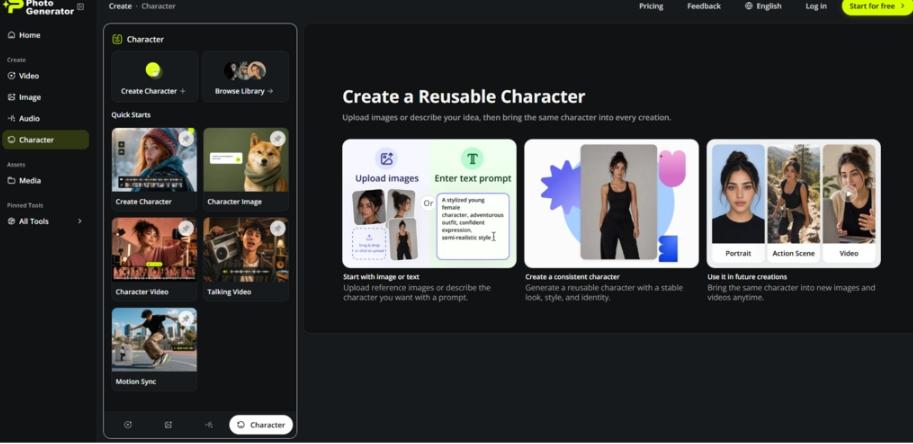
Photogenerator stood out because of its model options and strong editing capabilities. I could upload a casual selfie and guide the transformation with clear instructions. The first successful client test involved a tech founder who hated being photographed.
We used a recent phone photo as reference. I prompted for “professional corporate headshot, neutral gray background, confident expression, sharp detail, natural skin texture.” Seedream 5.0 delivered a version that looked like a high-end studio shot. The client approved it immediately. No reshoots. No makeup artist. Just a solid avatar he could use across his site and social profiles.
That project convinced me the tool had crossed a threshold. It wasn’t perfect every time, but the success rate for realistic personal branding work was high enough to integrate into my process.
Refining the Workflow for Scale
By mid-2025, headshots and personal avatars became a standard offering in my branding packages. The timeline compression was dramatic. What once took two to three weeks of back-and-forth now happens in a single meeting.
Typical process now:
- Client sends 2-3 recent photos
- We discuss desired mood and usage contexts
- I generate multiple variations using different models
- Client picks direction and we refine with targeted prompts
GPT Image 2 particularly excels when clients need subtle text elements or specific color harmony with their brand palette. The upscaling feature ensures files work for both digital and large-format print needs.
I’ve used it for creative directors wanting artistic yet professional looks and startup founders needing approachable yet competent vibes. Consistency across a set of images for team pages is straightforward because the tool maintains lighting and quality standards when you stay within the same model family.
Challenging the “AI Looks Fake” Assumption
Here’s where I push back against common skepticism. Many designers still assume AI-generated headshots scream “artificial” and damage credibility. In my experience with AI Photo Generator work, the opposite has proven true when you use the right tool and prompts.
Clients regularly report higher engagement on LinkedIn and better response rates to outreach when using these updated visuals. The images look like real photographs because they start from real reference photos and apply targeted, controlled enhancements. They feel current without appearing overly filtered or trendy.
The real limitation isn’t fakeness anymore. It’s over-reliance on the tool without human direction. Bad prompts produce bad results. Strong brand designers who guide the process create superior work faster than traditional methods allow. This challenges the old hierarchy that physical photos are inherently more “authentic.”
Handling the Tough Cases
Not every situation is smooth. One client had very specific lighting preferences from past professional shoots. Matching the exact mood took several iterations. Older reference photos with low resolution also require more careful prompting to avoid artifacts.
Diverse representation can still need active correction. I’ve learned to be explicit about age, ethnicity, and body positivity in prompts to avoid default biases. These aren’t deal-breakers, but they require awareness—especially when working with personal branding that should reflect real identity.
For AI product photo generator needs that sometimes accompany personal branding packages (lifestyle shots showing clients with their products), the tool performs well too. The same realistic strengths apply when combining people and objects.
Where It Fits in Modern Brand Design
Today, I use PhotoGenerator.ai as a core part of my visual identity process. It hasn’t replaced all photography. High-end campaigns with specific location needs still benefit from traditional shoots. But for personal avatars, team pages, and consistent brand photography assets, it delivers better speed and control than anything else I’ve tried.
McKinsey research on generative AI shows it can significantly boost productivity in creative fields by handling repetitive visual tasks. In my practice, that translates to more time spent on strategy and concept development instead of logistics. Clients get current, cohesive visuals faster. I take on more projects without sacrificing quality.
The evolution feels complete. What started as an experiment to solve scheduling headaches became a fundamental shift in how I approach personal branding visuals. For brand designers tired of photo production bottlenecks, a capable AI photo generator like this one is worth serious testing.