How Instagram Posts Are Shaping Modern Visual Culture in Urban Life
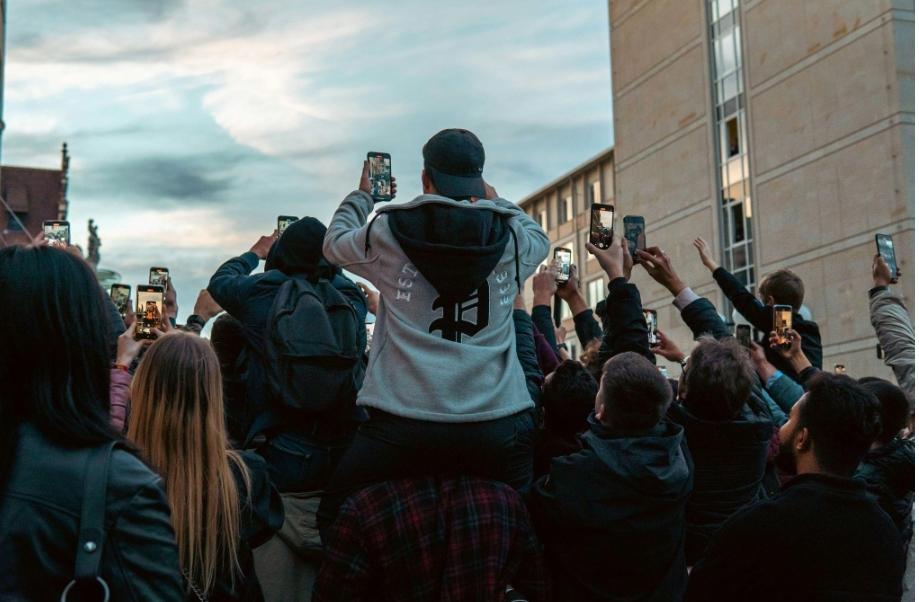
“Wait, look at this.” Somewhere between the subway turnstile and the coffee line, someone is angling a phone toward a friend. A photo, not a sentence. That’s increasingly how city life gets relayed: not through long explanations, but through single frames, tapped past in under two seconds. In a place like New York, where six million commutes overlap every morning, this shorthand has become its own civic language. Instagram, more than almost any other app, has steadily rewired how people describe their days, their neighborhoods, even themselves. It isn’t just a place to post anymore. It’s become a lens the city looks through, block by block.
The Rise of Visual Communication in Social Media
A decade ago, much of online life still ran on words: status updates, blog posts, comment threads. Somewhere along the way, the image took over, and a lot of the social media content filling city feeds today is built to be glanced at, not read. Instagram posts didn’t just add pictures to the conversation; for a lot of people, they became the conversation. A well-timed photo can now carry more social weight than a paragraph of explanation. Part of this is structural: feeds surface what looks good at a glance, so imagery gets seen while long text gets scrolled past. But part of it is instinct. Visual storytelling compresses a mood, a place, an entire evening into something absorbed instantly. A skyline at dusk or a stoop sale in the rain says more, faster, than most captions manage to.
How Users Interact With Instagram Posts Today
The mechanics are familiar by now: a like, a comment, a save for later, a screenshot forwarded with no caption at all. Each small action functions as its own reply, a way of saying something without saying much.
Public posts operate almost like an open gallery of social media content, visible to friends, strangers, and algorithms alike. Discussions around tools such as an instagram post viewer often appear in this broader context of understanding how publicly available media is accessed and interpreted. Saving has become its own small ritual, a private bookmark in a very public space, whether it’s a recipe or a restaurant someone means to try eventually. Most of this content consumption happens on autopilot now, as automatic as glancing at a street sign. This low-effort kind of Instagram engagement has become the real currency of daily online communication, often more revealing than the posts themselves.
Digital Identity and Visual Storytelling
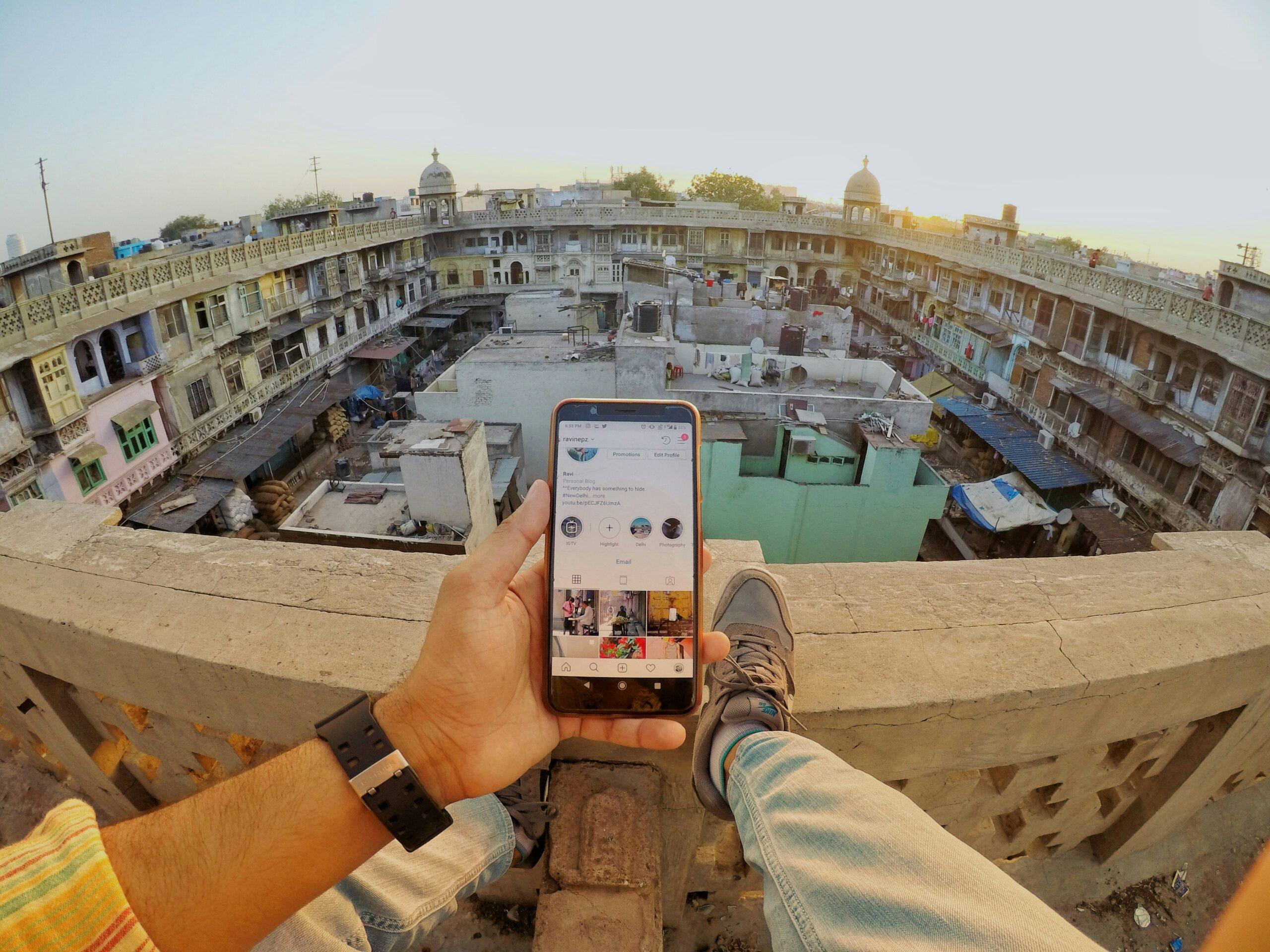
A grid of photos is rarely just a grid of photos. It’s curated, even when it claims not to be: a consistent color palette, a familiar skyline shot from a slightly new angle each time. People build digital identity through repetition and contrast, the polished portrait beside the blurry candid. Visual storytelling has become a way of narrating a life in progress, with an audience filling in whatever happens between posts. For a lot of users, a profile now works less like a diary and more like a public sketch of someone still figuring out who they’re becoming, an online presence built one frame at a time.
The Role of Social Media in Urban Culture Like New York
New York has always performed itself a little; social media just gave that habit a permanent stage. Murals in Bushwick get touched up with a hashtag in mind. Restaurants plan a dish’s plating around how it will photograph, not how it reheats. None of this is purely commercial calculation; it’s also how a dense, watched city talks to itself now. A viral stoop and a suddenly famous bagel counter are old urban lifestyle rituals, just routed through new foot traffic. The line between offline and online city life has gotten thin enough that it barely functions as a line anymore.
Privacy, Visibility, and Online Behavior
All that visibility comes with a quieter cost. What gets posted publicly tends to stay public, searchable long after the moment has passed. A public profile is, by definition, open to anyone who wants to look. This isn’t necessarily sinister; most people aren’t hiding anything. But it does mean digital culture leaves a longer trail than most of us register in the moment we hit “share.” Understanding what stays visible has quietly become as basic a piece of city literacy as knowing which subway line skips your stop on weekends.
The Future of Visual Social Media Platforms
Static photos aren’t disappearing, but they’re sharing space with video, especially the short, algorithm-fed kind. Recommendation systems now shape not just what people see but what they end up making. Augmented reality filters, AI editing, and personalized feeds are pushing social platforms toward something closer to a constantly rewritten, individualized magazine than a simple timeline. Social media trends will keep shifting with the tools available, but the underlying instinct holds steady: people want to show each other what a place, a moment, or a version of themselves looks like, as quickly as possible.
Conclusion
However the formats keep changing, that core habit isn’t going anywhere. Instagram posts, and the visual language built around them, have become part of how modern cities actually talk to themselves: a running commentary told in photos instead of paragraphs, updated by the minute. For somewhere like New York, where daily life already happens in public, that shift feels less like a passing trend and more like an update to something the city was always doing anyway. Performing itself, one frame at a time.