AI Video Generator: Your Complete Creator’s Playbook
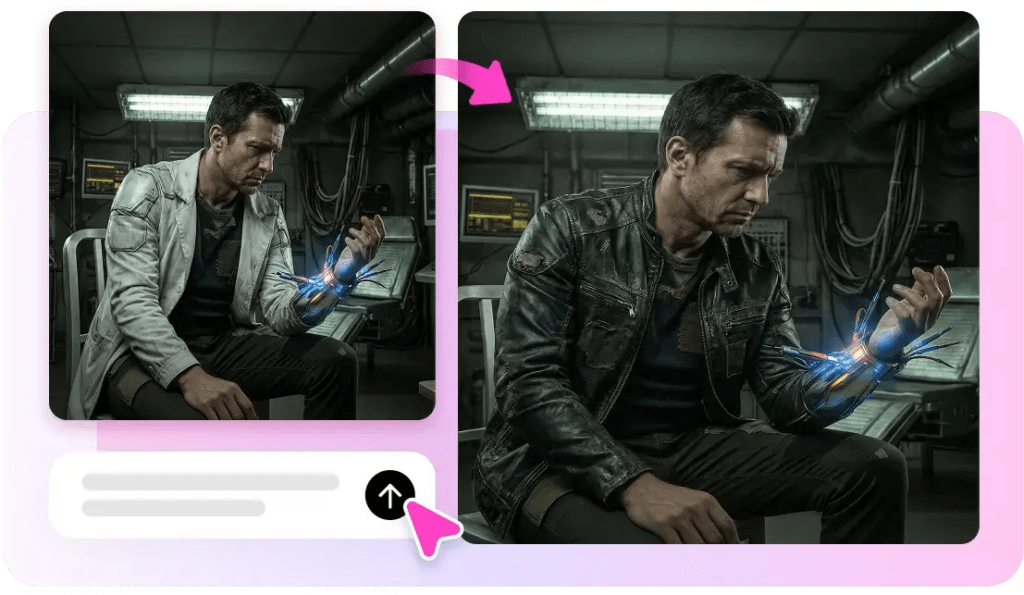
Video has become the language of the internet, yet producing it well remains one of the most demanding tasks a creator faces. Cameras, editing software, and hours of post-production once stood between a good idea and a finished clip. An AI video generator dissolves many of those obstacles, letting you move from a written concept to a polished video without the traditional technical overhead.
This playbook is designed to give you a practical understanding of how these tools fit into a real creative workflow. We will explore what they do well, how to structure your projects for the best results, and the habits that separate creators who thrive with automation from those who struggle. Whether you produce marketing content, educational clips, or social media stories, the goal is the same: to help you make more, and better, video with far less friction than before.
Understanding What the Technology Does
An AI video generator converts text, images, or structured prompts into moving footage complete with pacing, transitions, and visual coherence. Rather than editing raw clips frame by frame, you describe the outcome you want and the system builds it. This represents a fundamental shift from manual assembly to guided creation, where your role becomes directing rather than operating.
The practical impact is enormous for anyone who publishes regularly. Content that once required a full day of shooting and editing can be produced in a single session. This does not mean quality suffers; instead, the tool handles the mechanical work while you focus on message, structure, and audience appeal, which are the elements that truly determine whether a video succeeds.
Text, Images, and Prompts as Building Blocks
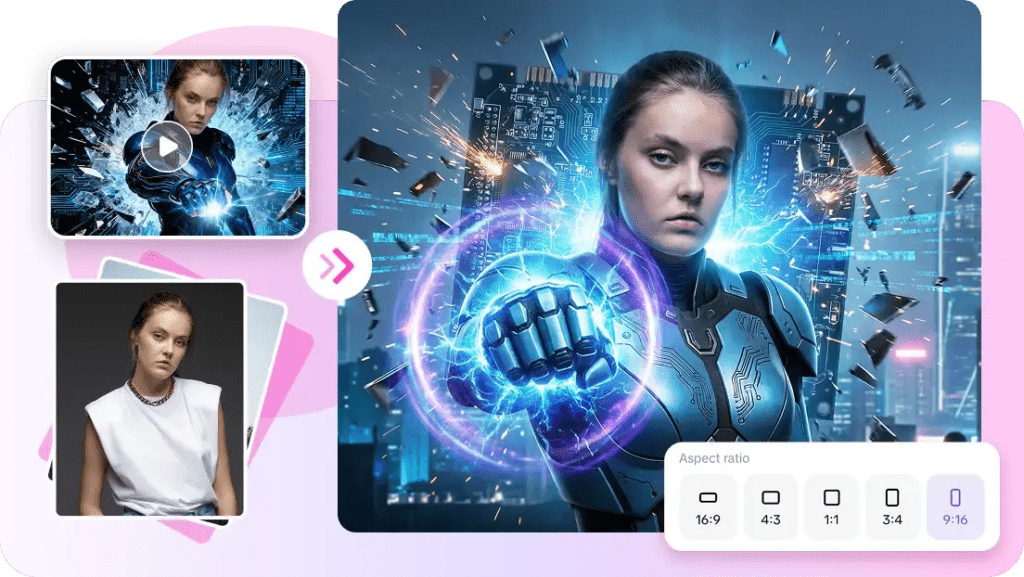
The most flexible generators accept multiple types of input, giving you several ways to start a project. You might begin with a script, letting the system visualize each line, or you might supply images that the tool animates and connects into a sequence. This flexibility means you can work from whatever material you already have rather than starting from nothing.
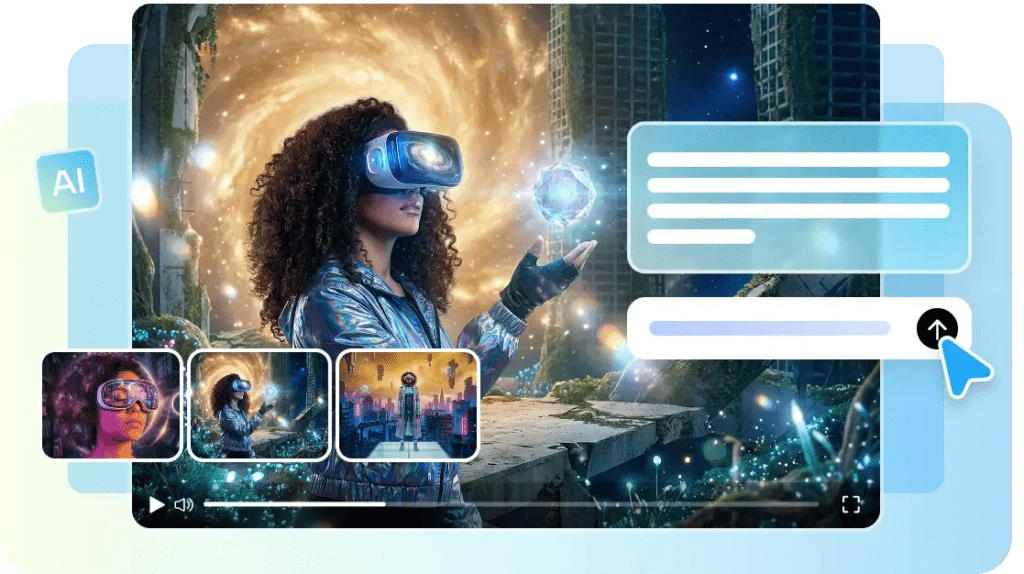
Prompts act as your creative steering wheel. A well-written prompt describing tone, setting, and pace produces a far stronger result than a vague one. Learning to write clear, specific prompts is arguably the single most valuable skill for anyone using these tools, because the system can only build what you can articulate.
Planning a Project That Actually Works
Success with an AI video generator begins long before you touch the tool. The creators who consistently produce great work treat planning as the foundation of the entire process. A clear concept, a defined audience, and a specific goal give the technology something meaningful to build around, which prevents the aimless output that frustrates beginners.
Start by deciding what a single video needs to accomplish. A tutorial, a product teaser, and a story-driven piece each demand different structures, and knowing which you are making shapes every subsequent choice. When your intention is clear, every prompt and adjustment moves you closer to a video that serves its purpose rather than one that merely exists.
Structuring Scenes for Maximum Impact
Even short videos benefit from deliberate structure. Think in terms of a beginning that hooks the viewer, a middle that delivers value, and an ending that leaves a clear impression. Breaking your project into distinct scenes makes it easier to generate, review, and refine each part without becoming overwhelmed by the whole.
When you build scene by scene, you also gain precise control over pacing. You can slow down for an important point and speed through transitions, shaping the viewer’s experience intentionally. Platforms such as Pippit AI make this modular approach practical by letting you generate and adjust individual segments before assembling the finished piece.
A Reliable Workflow From Start to Finish
Turning a concept into a completed video becomes far less daunting when you follow a consistent process. A repeatable workflow removes decision fatigue and ensures you never forget an important step. Over time, this structure becomes second nature, allowing you to produce content faster while maintaining a steady standard of quality.
The process works best when you resist the temptation to perfect every scene before moving forward. Instead, build a complete rough version first, then refine. Seeing the whole video helps you judge pacing and flow in a way that polishing isolated scenes never can, and it prevents you from overinvesting in a segment you might later cut.
A dependable sequence looks like this:
- Write a clear script or outline that defines each scene’s purpose and message.
- Generate a full draft quickly, prioritizing structure over polish.
- Review the complete video, then refine pacing, visuals, and transitions scene by scene.
Once your refinements are complete, watch the video one final time as a first-time viewer would. Check that the opening grabs attention within the first few seconds and that the ending delivers a satisfying conclusion. This final perspective often reveals small adjustments that dramatically improve how the finished piece lands with your audience.
Building Long-Term Skill With the Tools
The first few videos you create with automation are a learning experience, and that is exactly as it should be. Each project teaches you how to phrase prompts more precisely, how to structure scenes more effectively, and how to anticipate what the system will produce. This growing intuition is what separates a casual user from a confident creator.
Treat every project as an opportunity to refine your craft rather than simply generate output. Save prompts that worked well, note the structures that resonated with viewers, and build a personal playbook from experience. Over time, this accumulated knowledge lets you produce professional-quality video with remarkable consistency, turning a powerful tool into a genuine extension of your creative voice.
Making Video Creation Effortless and Effective
An AI video generator does not replace creativity; it removes the technical barriers that once kept great ideas from becoming great videos. By handling the mechanical work of production, it frees you to concentrate on message, structure, and audience connection, which are the elements that determine whether a video truly resonates. The result is a workflow that is faster, more flexible, and far more forgiving of experimentation.
The key to lasting success is treating the tool as a partner in a thoughtful process. Plan with intention, write clear prompts, build in structured stages, and learn from every project you complete. Do that consistently, and you will find yourself producing more video, of higher quality, than you ever thought possible, all while spending your energy on the creative decisions that matter most.