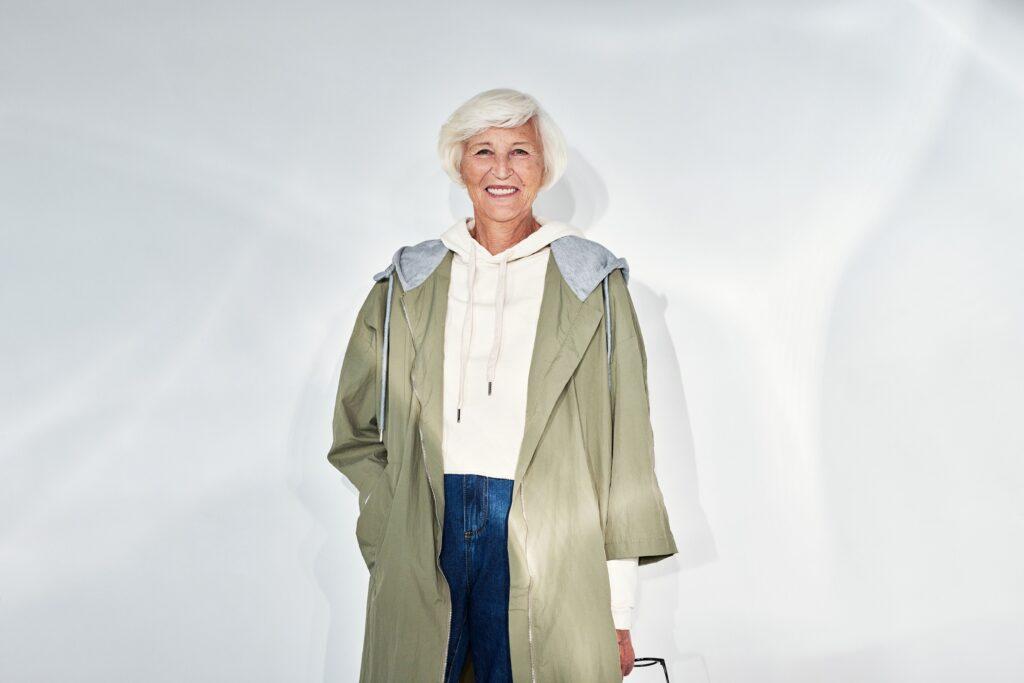
How Everyday Style Is Becoming More Focused on Comfort and Confidence
Fashion used to come with a long list of rules. Shoes had to match the bag. Certain colors belonged to certain seasons. Looking polished often meant wearing something stiff, delicate, or difficult to move in.
That approach is losing its grip.
People still care about looking good, of course. But they also want to breathe, walk, work, travel, eat lunch, and live a full day without fighting their clothes. Everyday style now sits at the meeting point of comfort and confidence. It feels softer, more personal, and less concerned with gaining approval from strangers.
This shift goes beyond sweatpants and oversized shirts. It reflects a bigger change in how people shop, work, socialize, and think about themselves. A useful wardrobe no longer needs dozens of trend-led pieces. It needs clothes that work across real situations and help the wearer feel at ease.
Comfort Is No Longer the Opposite of Style
For years, comfort carried an unfair reputation. Comfortable clothes were seen as lazy, basic, or suitable only for staying home. Stylish clothes, on the other hand, often required tight waistbands, sharp shoes, heavy layers, and fabrics that looked better than they felt.
That old split no longer makes much sense.
The Everyday Wardrobe Has Changed
Remote work played a major role in changing what people expect from clothing. After spending months or years working in softer fabrics, many people did not want to return to rigid office wear. Even those who went back to traditional workplaces started looking for pieces with stretch, lighter construction, and relaxed tailoring.
Brands responded with knit blazers, wide-leg trousers, polished sneakers, soft button-down shirts, and dresses that look refined without feeling formal. The lines between workwear, casual clothing, and travel wear became less clear.
You know what? That is probably a good thing.
A jacket does not need hard shoulder pads to look smart. A pair of trousers can have an elastic section at the waist and still look polished. A dress can feel as easy as loungewear without looking like it belongs at home. Small design choices now allow people to look put together while moving through the day with less fuss.
The change has also made dressing more realistic. Most people do not move through neatly divided parts of the day. They may answer emails in the morning, travel across town, meet a client, pick up groceries, and have dinner with friends. One outfit often has to handle all of it.
Physical Ease Supports Social Confidence
Comfort also changes how people carry themselves. When your shoes do not pinch, and your waistband does not dig into your skin, you spend less time adjusting your clothes. You stand more naturally. You focus on the conversation, the meeting, or the dinner in front of you.
That physical ease often reads as confidence.
People sometimes assume confidence comes from wearing bold colors or expensive labels. It can, but it also comes from not worrying that a button will pop when you sit down. There is something quietly powerful about wearing clothes that let you forget about them for a while.
A person who feels comfortable tends to move with less hesitation. They are not tugging at a hem, checking a neckline, or counting the minutes until they can change. Their attention stays on the room, not the outfit. That is one reason comfort has become such an important part of modern style. It helps people feel present.
Personal Style Is Replacing the Trend Cycle
Fast-moving trends once dictated what people were supposed to buy each season. One month it was micro bags. Then, oversized bags returned. Jeans moved from skinny to wide, while low-rise styles appeared again. Keeping up started to feel like a second job.
More shoppers now see the problem. A trend can be fun, but it does not automatically belong in every closet.
People Are Asking Better Questions
Instead of buying something because it is everywhere online, people are thinking more carefully about whether it suits their lives. They want to know if a piece works with what they already own, whether they will wear it more than once, and whether it still feels right after the excitement of the trend has passed.
Those questions sound practical because they are. They also make shopping more personal.
A woman who loves flowing linen does not need to abandon it because structured denim is having a moment. A man who feels best in simple black layers does not need a closet full of loud prints. Style becomes stronger when it reflects a person’s habits, taste, body, and daily routine.
Personal style is not about creating a fixed uniform forever. People change. Bodies change. Jobs, cities, relationships, and priorities change, too. A good wardrobe changes with them instead of demanding that they keep up with an endless feed of new arrivals.
This also explains why older pieces often become more valuable over time. A jacket that has been worn for years may fit better than anything new. A pair of boots may carry memories from travel, work, or important nights out. These pieces do more than cover the body. They become part of a person’s story.
Confidence Comes From Repetition
There is a strange pressure to avoid repeating outfits, especially online. Yet most stylish people repeat clothing all the time. They know which trousers sit well, which jacket works over almost anything, and which shoes can handle a long day.
Repetition creates familiarity. Familiarity creates confidence.
Think of it like a favorite café order. You can try something new when the mood strikes, but there is comfort in knowing what already works. A dependable wardrobe gives you that same feeling on a busy morning.
It also saves mental energy. Choosing what to wear can feel small, but it becomes tiring when every outfit feels uncertain. A handful of reliable combinations makes mornings easier. You get dressed, make a few adjustments, and move on.
This is also where emotional well-being enters the conversation. Clothing cannot solve personal struggles, but daily routines often support a broader sense of stability. When someone is rebuilding confidence during a hard period, practical habits can matter alongside professional support, including resources such as therapy for addiction treatment. Getting dressed in clothes that feel clean, comfortable, and familiar can become one small part of feeling present again.
Versatility Has Become a Form of Luxury
Luxury used to mean rarity, status, and visible expense. Those ideas still exist, especially in high fashion. But everyday luxury now has another meaning. It means owning something that works hard without looking overworked.
A versatile coat can move from a weekday commute to a dinner reservation. A soft leather tote can carry a laptop during the day and still suit an evening event. A fine knit can sit under a blazer, over a dress, or around the shoulders when the temperature drops.
That kind of flexibility feels valuable because modern life rarely stays in one neat category.
Dressing for the Whole Day
Many people leave home in the morning and do not return until late. Their day can include a train ride, office hours, errands, coffee with a friend, and dinner. Changing clothes between each part of the day is not realistic.
So wardrobes are becoming more adaptable.
People are choosing layers that come off easily, shoes that survive pavement, and fabrics that resist creasing. They want pieces that photograph well but also handle real life. That includes spilled coffee, crowded trains, sudden rain, and air-conditioning that feels like midwinter in July.
New York makes this need especially clear. A person can walk twenty blocks, enter a freezing restaurant, sit in a warm subway car, and attend an event in the same outfit. Clothes have to keep up.
This is why polished sneakers, relaxed tailoring, lightweight coats, and wrinkle-resistant fabrics have become so common. They solve real problems without making the wearer look overly casual. They also allow people to move between settings without feeling underdressed or uncomfortable.
Quiet Design Often Works Hardest
Versatility often comes from simple design. Neutral colors, clean shapes, and good materials make pieces easier to combine. That does not mean every wardrobe needs to look beige or restrained. It means the foundation should support personal expression rather than compete with it.
A bright scarf feels more intentional when paired with a simple coat. Vintage jewelry stands out against a clean neckline. Bold sneakers can bring energy to an otherwise classic look.
The goal is not to remove personality. It is to give personality room to show.
This balance matters because statement pieces work best when they have space around them. If every item demands attention, the outfit can feel noisy. A simple base creates contrast. It makes the unusual piece feel chosen rather than accidental.
Sustainability Is Becoming Personal, Not Perfect
Sustainable fashion can sound like a serious moral test. People hear about supply chains, textile waste, water use, and labor conditions, then feel overwhelmed. They may assume they need to replace their entire wardrobe with expensive ethical brands.
That approach misses the point.
Wearing Clothes Longer Makes a Difference
One of the simplest sustainable habits is wearing what you already own. Caring for clothing, repairing small damage, and repeating outfits all reduce the pressure to buy more.
People are learning basic skills again. They sew loose buttons, use sweater combs, take shoes to repair shops, and visit tailors for small adjustments. These habits once felt ordinary. Now they feel almost radical because so much clothing is designed to be replaced rather than maintained.
Secondhand shopping has also become part of mainstream style. Stores such as The RealReal, Vestiaire Collective, Depop, and local consignment shops make it easier to find distinctive pieces without buying new. Vintage shopping adds an element of chance too. You may walk in looking for a jacket and leave with a silk scarf from another decade.
Honestly, that unpredictability is half the fun.
Secondhand clothing also gives people access to quality that may be too expensive at full retail price. A well-made wool coat, leather bag, or pair of shoes can remain useful for years. Buyers often become more selective because each piece feels more individual.
Better Shopping Means Slower Shopping
Slower shopping does not mean never buying anything. It means pausing long enough to make a clear choice.
Some people keep a wish list for several weeks before purchasing. Others wait until they can picture the item in several outfits. Many now check fabric labels, read care instructions, and think about how often they will realistically wear something.
This slower process protects both the budget and the closet. It also reduces the quiet stress caused by owning too many things that do not work.
Sustainability becomes easier when it connects to daily life. Buying less helps. So does choosing better, repairing what can be repaired, and passing along what no longer fits. No grand performance is needed.
There is also a confidence element here. People who know their style feel less pressure to chase every new release. They can admire a trend without buying it. That kind of restraint does not feel dull. It feels settled.
Clothing Is Becoming More Inclusive of Real Bodies
Another major shift is taking place in how people think about fit. For a long time, shoppers were expected to change their bodies to fit clothes. Now, more people expect clothes to fit their bodies.
It sounds obvious, yet the fashion industry has been slow to accept it.
Fit Matters More Than the Number on the Label
Sizing remains inconsistent across brands. A medium in one store can feel smaller than a small somewhere else. This creates frustration and turns a basic shopping trip into an emotional obstacle course.
More shoppers are learning to ignore the label and focus on how the item feels. They notice whether the shoulder seam sits in the right place, whether the fabric pulls when they sit, and whether they can move without discomfort.
Those details matter more than a number printed inside the garment.
Tailoring also helps people stop blaming their bodies for a poor fit. Most ready-made clothing uses standard measurements, but very few bodies follow a perfect standard. Shortening sleeves or adjusting a waist does not mean something is wrong with the wearer. It means the garment needed help.
This change in thinking gives people more freedom. They can buy the size that fits without seeing it as a verdict. They can alter clothing without feeling self-conscious. They can also reject cuts that do not suit them instead of assuming their body is the problem.
Style Can Support Recovery and Self-Respect
The relationship between clothes and mental health is complicated. An outfit cannot create lasting self-worth, and fashion should never replace care. Still, clothing can support dignity during periods of change.
Someone returning to work after illness, grief, burnout, or addiction recovery may feel disconnected from their old wardrobe. Their body may have changed. Their priorities may have shifted. Clothes that once felt familiar can suddenly feel like costumes from another life.
Building a new wardrobe slowly can help mark a new chapter. That can involve choosing softer fabrics, finding a better fit, or letting go of pieces tied to painful memories. Structured support from a program such as a Massachusetts addiction recovery center addresses the deeper work, while simple personal choices can help someone feel more comfortable in daily life.
The point is not to dress for other people. It is to feel present in your own body.
That idea matters far beyond recovery. Many people go through periods when their appearance feels unfamiliar. Parenthood, career changes, aging, stress, and major life events can all change the relationship someone has with clothing. A wardrobe built around comfort and self-respect can make that adjustment feel less harsh.
Confidence Now Looks More Individual
The most interesting part of this style shift is that confidence no longer has one visual formula. It can look like a tailored suit, a vintage sweatshirt, a silk skirt with sneakers, or loose trousers worn with a crisp white shirt.
There is no single winning outfit.
Getting Dressed Is Becoming Less Performative
Social media still shapes trends, but many people have become tired of dressing for the camera. They want clothing that works beyond one photograph or a short video. They want outfits that survive movement, weather, work, and repeated wear.
This does not mean people have stopped having fun with fashion. Far from it. They are simply choosing where to place their energy.
Some invest in a dramatic coat and keep everything else simple. Others collect jewelry, sneakers, handbags, or vintage denim. A few wear nearly the same outfit every day and change only the details. These choices feel confident because they are deliberate.
And confidence often grows when you stop explaining your taste.
There is freedom in wearing something because you enjoy it, not because it is trending. That might mean choosing flats over heels, loose trousers over a fitted dress, or a bright vintage jacket over a new designer piece. The decision becomes personal rather than performative.
The Best Wardrobe Feels Like Your Life
A useful wardrobe reflects where you actually go, not where you imagine you might go someday. It includes enough clothing for work, weekends, evenings, exercise, travel, and rest. It does not need ten cocktail dresses if you attend one formal event each year. It does not need five business suits if your office dress code is casual.
This sounds simple, but fantasy shopping is common. People buy for dream vacations, future bodies, and versions of themselves who attend garden parties every Saturday. Then the clothes sit untouched.
A confidence-led wardrobe stays grounded. It says, “This is my life, and I want to dress well for it.”
That mindset feels refreshing. Clothes become tools for expression, comfort, and movement rather than proof that someone has followed the latest trend correctly.
Everyday style is becoming quieter in some ways and more expressive in others. People want ease, but they do not want sameness. They want fewer pieces, but they want those pieces to carry more meaning. They care about sustainability, yet they also understand that perfection is unrealistic.
Most of all, they want to feel like themselves.
And perhaps that is the clearest sign of confidence. You get dressed, look in the mirror, and recognize the person looking back.