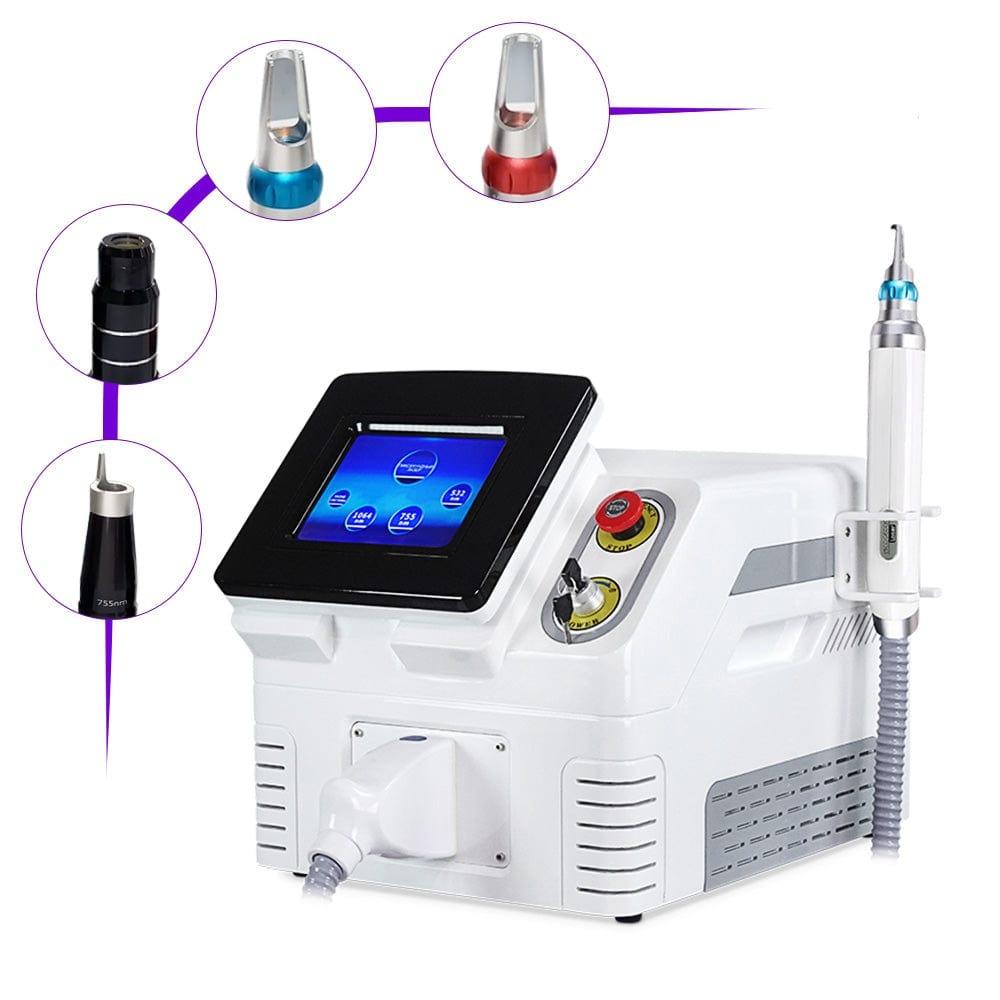
How Does Laser Tattoo Removal Work? Is It Safe?
Tattoos are often meaningful at the time they are created, but personal tastes, careers, or life circumstances can change. Fortunately, modern laser technology has made removing unwanted ink more effective than ever before. While many people are familiar with the concept of tattoo removal, they often have questions about how the process works, how long it takes, and whether it’s truly safe.
This guide explains the science behind laser tattoo removal, what to expect during treatment, and the factors that influence your results.
How Does Laser Tattoo Removal Work?
Laser tattoo removal uses highly concentrated pulses of light to target tattoo pigment beneath the skin without causing significant damage to the surrounding tissue. Different laser wavelengths are designed to treat various ink colors, allowing practitioners to customize treatments based on the tattoo.
When the laser energy reaches the tattoo ink, it breaks the pigment into tiny particles. Over the following weeks, your body’s immune system naturally removes these fragmented particles through the lymphatic system, gradually fading the tattoo after each session.
One of the most advanced technologies available today is pico laser tattoo removal, which delivers ultra-short bursts of energy measured in picoseconds. These rapid pulses shatter ink particles into even smaller fragments than traditional lasers, often improving treatment efficiency while reducing unnecessary heat exposure.
The success of laser treatment depends on several factors, including:
- Tattoo size and location
- Ink color and depth
- Age of the tattoo
- Skin tone
- Individual healing response
Because every tattoo is unique, treatment plans are customized for each patient.
How Long Does Tattoo Removal Take?
Tattoo removal is not a one-session procedure. Most people require multiple treatments to achieve significant fading or complete removal.
In general, patients may need:
- Small, lightly inked tattoos: 4–6 sessions
- Medium tattoos: 6–10 sessions
- Large, colorful, or professionally applied tattoos: 10 or more sessions
Sessions are typically spaced 6 to 8 weeks apart. This waiting period allows your skin to heal and gives your immune system enough time to clear away the broken ink particles before the next treatment.
As a result, complete tattoo removal can take anywhere from several months to over a year, depending on the complexity of the tattoo. Patience is important, as rushing treatments can increase the risk of skin irritation without improving results.
Is Tattoo Removal Painful?
One of the most common concerns is whether laser tattoo removal hurts. While discomfort varies from person to person, many describe the sensation as similar to the snap of a rubber band against the skin or tiny bursts of heat.
Fortunately, treatment sessions are relatively short, especially for smaller tattoos. Many clinics also use comfort measures such as:
- Topical numbing creams
- Cooling devices
- Cold air systems
- Ice packs before and after treatment
Most patients find the discomfort manageable, particularly when compared to getting the original tattoo.
After treatment, it’s normal to experience mild redness, swelling, or sensitivity for a few days. Following your provider’s aftercare instructions helps promote proper healing and minimizes temporary side effects.
Does Tattoo Removal Leave Scars?
When performed by a trained professional using modern laser technology, tattoo removal has a very low risk of permanent scarring.
The laser targets ink particles rather than cutting or removing layers of skin, making it much less invasive than older tattoo removal methods.
However, complications can occur if:
- Aftercare instructions are ignored
- The treated area becomes infected
- Treatments are performed too aggressively
- Existing scar tissue is already present beneath the tattoo
Temporary side effects may include:
- Redness
- Swelling
- Blistering
- Mild skin discoloration
These reactions are generally part of the normal healing process and usually resolve over time. Protecting the treated area from sun exposure and avoiding picking at blisters significantly reduces the likelihood of permanent marks.
Is Laser Tattoo Removal Safe?
For most healthy adults, laser tattoo removal is considered a safe and well-established cosmetic procedure when performed by qualified professionals using FDA-cleared equipment.
Before beginning treatment, your provider should evaluate your medical history, skin type, tattoo characteristics, and any factors that could affect healing. A personalized treatment plan helps maximize results while minimizing potential risks.
Choosing an experienced clinic and following all recommended aftercare instructions are among the most important steps in achieving successful outcomes.
Final Thoughts
Modern laser technology has transformed tattoo removal into a reliable option for people who wish to fade or completely erase unwanted tattoos. Although the process requires multiple sessions and some patience, today’s advanced systems provide effective results with minimal downtime and a low risk of scarring when performed correctly.
If you’re considering tattoo removal, scheduling a consultation with an experienced provider is the best way to understand your options and receive a treatment plan tailored to your skin and tattoo.
Medical Disclaimer: This article is for informational purposes only and does not constitute medical advice. Always consult a qualified healthcare provider before using any aesthetic device at home. Individual results may vary.