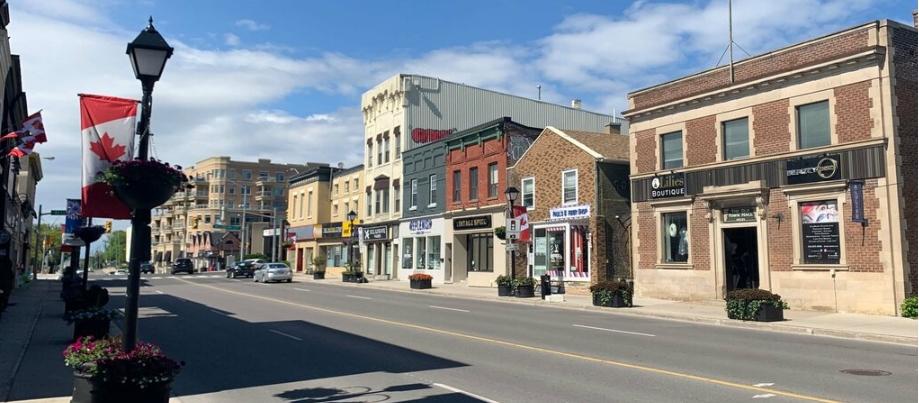
Home & Auto Insurance Savings Guide for Aurora, Ontario Residents
Living in Aurora, Ontario, offers a beautiful blend of peaceful suburban living, excellent schools, and convenient access to the Greater Toronto Area. Whether you are commuting down the Highway 404 corridor or enjoying a quiet weekend near Town Park, life in this vibrant York Region community is highly rewarding. However, the rising cost of living is a reality every local homeowner and driver must face. Protecting your most valuable assets—your house and your vehicle—does not have to drain your bank account.
Navigating the complex world of insurance can feel overwhelming, but securing the best home insurance Ontario and car insurance in Aurora, Ontario has to offer is entirely possible with the right knowledge. From understanding the nuances of local coverage requirements to leveraging technology for better rates, this comprehensive guide will equip you with everything you need to optimize your policies, maximize your discounts, and keep your hard-earned money exactly where it belongs.
Understanding the Insurance Landscape in Aurora
Before you can start slashing your premiums, it is crucial to understand the environment in which your insurance rates are calculated. Aurora sits in a unique geographical and demographic position that influences both property and vehicle coverage costs.
The Realities of the Ontario Auto Insurance Market
Ontario operates under a private insurance system with a highly regulated, mandatory “no-fault” framework. This means that regardless of who causes an accident, you deal directly with your own insurance company for claims regarding vehicle damage (under Direct Compensation – Property Damage) and medical care (Accident Benefits).
Because Aurora is part of the broader GTA, drivers here are often subject to regional traffic congestion and higher claim frequencies than residents of rural Ontario. Understanding the factors affecting auto insurance rates—such as your postal code, daily commute distance, vehicle make and model, and driving record—is the first step toward taking control of your monthly bills.
The Dynamics of Local Property Insurance
Similarly, home insurance rates in Aurora are influenced by local variables. The age of your home, proximity to fire hydrants, local crime rates, and the region’s susceptibility to severe winter weather all play a part. Older heritage homes near the downtown core may face different risk assessments than newly built subdivisions on the east side of town. By understanding these local nuances, you can proactively make upgrades that insurers love to reward.
Mastering the Art of Comparing Quotes
Loyalty to a single insurance company is rarely rewarded in today’s market. Insurers continuously update their algorithms, meaning the company that offered you the best rate three years ago might now be overcharging you.
Working with a broker (including Western Financial Group)
If you prefer hands-on guidance, working with an insurance broker can simplify the process of comparing coverage and pricing. Western Financial Group is one example of a Canadian insurance brokerage that helps customers review home and auto options, explain coverage trade-offs in plain language, and look for practical savings opportunities such as bundling, deductible adjustments, and eligibility-based discounts. For busy Aurora households, a broker relationship can also make ongoing policy reviews and mid-year changes feel much more manageable—especially when life events (a move, a new vehicle, or a growing family) change what you need from your coverage.
How to Evaluate Auto Insurance Offers
When reviewing auto insurance offers, it is vital to look beyond the final monthly premium. A lower price might simply mean lower coverage limits or missing endorsements. When comparing car insurance quotes online, you should always ensure you are looking at an “apples-to-apples” comparison. Pay close attention to:
- Liability Limits: In Ontario, the legal minimum for third-party liability is $200,000, but most experts strongly recommend carrying at least $1 million to $2 million.
- Accident Benefits: Ensure you have adequate coverage for medical and rehabilitation costs, especially if you do not have a robust employer health benefits plan.
- Optional Coverages: Check if the quote includes collision and comprehensive coverage, or if it is a bare-bones policy.
Full Coverage vs Liability Only
One of the most common dilemmas for Aurora drivers with older vehicles is choosing between full coverage vs liability only.
- Liability Only: This covers the damages you cause to others and provides mandatory accident benefits and uninsured automobile coverage. If your car is damaged in an at-fault accident, you pay for the repairs out of pocket.
- Full Coverage: This is a colloquial term that generally means you have added both Collision (damage to your car from an at-fault crash) and Comprehensive (damage from theft, vandalism, fire, or severe Aurora hail storms) to your policy.
Actionable Tip: If the annual cost of comprehensive and collision coverage exceeds 10% of your vehicle’s actual cash value, it might be time to drop them and stick to liability only.
Strategies for Slashing Your Auto Insurance Costs
Many drivers passively accept their renewal notices each year. Instead, you should actively pursue strategies on how to lower car insurance premiums. Here are the most effective methods available to Ontario drivers.
Adopt Telematics Programs for Safe Drivers
One of the biggest revolutions in the insurance industry is the introduction of usage-based insurance (UBI). Telematics programs for safe drivers utilize a smartphone app or a small plug-in device in your car to monitor your driving habits.
These programs track metrics such as:
- Hard braking and rapid acceleration
- Speeding relative to posted limits
- Time of day you drive (late-night driving is statistically riskier)
- Smartphone usage (detecting distracted driving)
By proving you are a cautious driver, you can often secure an immediate sign-up discount of 5% to 10%, with potential renewal discounts reaching up to 25% or 30%. If you work from home in Aurora and rarely commute during rush hour, a telematics program is one of the easiest ways to significantly lower your rates.
Optimize Your Deductibles
Your deductible is the amount you agree to pay out of pocket before your insurance coverage kicks in after a claim. Reviewing the standard car insurance deductible options is a quick way to adjust your premium.
Typically, drivers carry a $500 deductible for collision and comprehensive coverages. By raising your deductible to $1,000 or even $2,000, you assume slightly more financial risk in the event of a minor fender bender, but your insurer will reward you with a notably lower annual premium. Just ensure you have that deductible amount saved in an emergency fund.
Hunt for the Maximum Car Insurance Discounts Available
Insurers offer a plethora of discounts, but they rarely apply them automatically—you have to ask. To secure the maximum car insurance discounts available, inquire about the following:
- Winter Tire Discount: Mandatory in Ontario, insurers must offer a discount (usually 2% to 5%) if you install approved winter tires during the snowy Aurora winters.
- Retiree Discount: If you are over a certain age and no longer commuting to work, you qualify for lower rates.
- Alumni and Professional Group Discounts: Many universities, unions, and professional associations have group rates with specific insurers that can slash premiums by up to 15%.
- Private Parking Discount: Parking your car in a secure garage rather than on the street reduces the risk of theft and vandalism.
The Power of Bundling
If you own a home and drive a car, keeping those policies with different companies is likely costing you hundreds of dollars a year.
Multi-Policy Bundling Savings Explained
Insurers want as much of your business as possible. To incentivize this, they offer multi-policy bundling savings. When you insure your home and your vehicle with the same provider, you can expect a discount ranging from 10% to 20% on both policies.
For an Aurora family insuring a detached home and two vehicles, a 15% discount across the board can easily translate to $500 to $800 in annual savings. Beyond the financial benefit, bundling simplifies your life. You have one renewal date, one portal to manage, and one broker or agent to call when you need assistance.
Navigating Complex Rate Changes
Opening your mail to find a massive premium hike is incredibly frustrating. If you find yourself asking, “why did my car insurance go up?”, you are not alone.
Common Reasons for Rate Increases
Even if your driving record is spotless, your rates can increase. This happens due to macro-level factors such as:
- Inflation: The cost of auto parts, labor, and medical care has skyrocketed. Insurers pass these costs onto consumers.
- Vehicle Theft: The GTA, including Aurora, has seen a significant surge in auto thefts, particularly of high-end SUVs and trucks. If you drive a highly targeted vehicle, your comprehensive premium will likely rise.
- Postal Code Reassessment: If the frequency of accidents in your specific Aurora neighborhood increases, the base rate for that area goes up.
The Role of Credit in Insurance
There is often confusion regarding how credit scores impact premiums. It is critical to understand the legal distinction in Ontario. By law, insurance companies cannot use your credit score to determine your auto insurance rates or decide whether to offer you auto coverage.
However, the rules are entirely different for property insurance. Insurers are legally permitted to use your credit score to calculate your home insurance rates. A strong credit history suggests to insurers that you are financially responsible and less likely to file fraudulent or minor property claims. Allowing a home insurer to do a soft credit check can yield a substantial discount on your homeowner’s policy.
Specialized Coverage Scenarios
Every driver’s situation is unique. Whether you just bought a brand-new vehicle, have a teenager learning to drive, or are recovering from a poor driving record, specific strategies apply.
Protecting New Vehicles
If you recently purchased a new vehicle from a dealership on Yonge Street, you know that cars depreciate the moment you drive them off the lot. If your new car is totaled in an accident a year later, your insurer will only pay its current depreciated value, not what you originally paid.
This is where understanding how to bridge that financial shortfall is crucial. Having gap insurance explained for new cars is essential for any modern buyer. Gap insurance (or the OPCF 43 Waiver of Depreciation endorsement in Ontario) covers the “gap” between the depreciated value of the car and the amount you still owe on your loan or lease. Most Ontario insurers will offer this waiver for the first 24 to 36 months of a new vehicle’s life. If you are financing a car over 72 or 84 months, this coverage is an absolute must to prevent financial disaster.
Helping Young Drivers Get Started
Adding a teenager to your policy is a notorious budget-breaker. However, finding affordable coverage for teens is possible with proactive planning.
- Occasional vs. Primary Driver: Always list the teen as an occasional driver on the family’s least expensive vehicle rather than assigning them as a primary driver of their own car.
- Good Student Discounts: Some insurers offer discounts for students who maintain a high grade-point average.
- Driver’s Ed: Ensure your teen’s defensive driving course discount eligibility by having them complete an MTO-approved driving school program. Not only does this teach them essential safety skills for navigating icy Aurora roads, but it also allows them to be rated by insurers as a driver with three years of “star” experience, dramatically lowering their initial premiums.
Overcoming High-Risk Status
If you have accumulated multiple traffic tickets, been involved in at-fault accidents, or suffered a policy cancellation due to non-payment, you may be labeled a high-risk driver. High-risk premiums can be financially crippling.
Reducing costs for high-risk drivers requires patience and strict adherence to the rules of the road.
- Transition to the Standard Market: High-risk insurance (often through specialized companies or the Facility Association) is meant to be temporary. Focus on driving flawlessly for three years to let tickets and minor accidents fall off your record.
- Never Miss a Payment: Set up automatic withdrawals. A cancellation for non-payment stays on your record and severely limits your options.
- Downgrade Your Vehicle: If you are paying high-risk rates, driving a financed, expensive vehicle that requires full coverage will amplify your costs. Consider driving an older, reliable car that only requires liability coverage until your record clears.
Timing Your Insurance Moves
Knowing how to save money is only half the battle; knowing when to execute those changes is just as important.
The Best Time to Switch Providers
Many people believe they are locked into their insurance contracts, but that is a myth. You can change insurance companies at any time. However, the best time to switch providers is typically 30 to 60 days before your current policy is set to renew.
If you cancel your policy mid-term (before the annual contract is up), your current insurer will likely apply a “short-rate” cancellation penalty. This fee covers their administrative costs for ending the contract early. If you find a new quote that saves you $600 a year, but the cancellation fee is only $50, it makes financial sense to switch immediately. However, if the savings are minor, it is better to wait for your renewal date, at which point you can switch without any penalties at all.
Major life events are also ideal times to shop around. If you are moving to a new home in Aurora, getting married, retiring, or buying a new car, your risk profile has changed, and a different company may now view you more favorably.
Deep Dive: Slashing Home Insurance Rates
While we have focused heavily on vehicles, optimizing your property coverage is equally important for holistic financial health. Home insurance rates are rising due to the increasing frequency of extreme weather events and the soaring costs of construction materials. Here are practical ways Aurora residents can lower their home insurance premiums.
Fortify Your Home Against Water Damage
Water damage has surpassed fire as the leading cause of home insurance claims in Canada. Insurers are highly sensitive to this risk. You can secure discounts and prevent catastrophic damage by:
- Installing a Sump Pump and Battery Backup: Essential for keeping basements dry during heavy spring thaws.
- Adding a Backwater Valve: This prevents municipal sewage from backing up into your home during extreme rainstorms. Many insurers offer significant discounts for this, and some municipalities even offer installation rebates.
- Upgrading Plumbing: If you live in an older Aurora home with galvanized steel or Kitec plumbing, upgrading to modern PEX or copper will vastly improve your insurance options and rates.
Enhance Home Security
While Aurora is a safe community, property crime can happen anywhere. Installing a monitored burglar and fire alarm system alerts emergency services immediately, mitigating potential damage. Insurers typically offer a 5% to 10% discount for homes with centrally monitored security systems.
Maintain and Upgrade Your Roof
Your roof is your home’s first line of defense against the elements. If your asphalt shingles are over 15 to 20 years old, insurers may limit your coverage to actual cash value (depreciated value) rather than replacement cost, or they may increase your rates. Proactively replacing an aging roof and notifying your insurer can prevent rate hikes and ensure you are fully protected in the event of windstorm damage.
A Step-by-Step Guide to Your Annual Insurance Audit
To ensure you are consistently receiving the best home and auto insurance savings Aurora Ontario has to offer, you should conduct an annual insurance audit. Follow this checklist 45 days before your renewal dates:
- Review Your Current Coverage: Pull out your existing policy documents. Do you still need comprehensive coverage on that 12-year-old sedan? Have you finished your basement, necessitating higher property coverage limits?
- Assess Your Commute: Has your workplace changed? If you transitioned to remote work or hybrid work, update your annual mileage with your broker. Fewer kilometers driven equals lower premiums.
- Check Your Driving Record: Request a driver’s abstract if you are unsure of your standing. Ensure old tickets have officially fallen off your record so you can demand better rates.
- Gather Multiple Quotes: Use an online comparison tool or contact an independent insurance broker who can shop the market on your behalf.
- Inquire About New Discounts: Ask specifically about telematics programs, professional association discounts, and bundling opportunities.
- Calculate the Math on Deductibles: Ask your broker to quote the policy at $500, $1,000, and $2,000 deductibles to see exactly how much you would save.
- Consider the Soft Credit Check: For your home insurance, permit the soft credit check if you have good financial standing.
Frequently Asked Questions
To further clarify the intricacies of Ontario insurance, here are answers to some of the most common questions asked by Aurora residents.
Q: Do parking tickets affect my auto insurance rates? A: No. Parking tickets are municipal bylaws infractions, not moving violations. They do not impact your driving record or your insurance premiums. However, unpaid parking tickets can prevent you from renewing your license plate sticker.
Q: If I lend my car to a friend and they crash it, whose insurance pays? A: In Ontario, insurance follows the vehicle, not the driver. If you lend your car to a friend and they cause an accident, the claim goes through your insurance policy. You will have to pay the deductible, and the at-fault accident will likely remain on your insurance record, increasing your future premiums. Always be cautious about who you allow behind the wheel of your vehicle.
Q: What is the difference between an insurance broker, an agent, and a direct writer? A:
- Agents work for one specific insurance company (e.g., State Farm or Allstate) and can only offer you products from that company.
- Direct Writers are companies you interact with directly online or over the phone (e.g., Belairdirect or Sonnet) without a middleman.
- Brokers are independent professionals who partner with multiple insurance companies. They can shop the market for you, comparing various auto insurance offers to find the best fit for your specific needs. Using a broker is highly recommended for tailored advice.
Q: Why does my postal code matter so much? A: Insurers use postal codes to group drivers and homeowners into specific risk territories. If you live in an area with a high volume of traffic accidents, frequent vehicle thefts, or dense housing that makes fires spread easily, insurers pay out more claims in that area. Consequently, everyone in that postal code shares a portion of that elevated risk through higher baseline premiums.
Q: Will making a claim automatically increase my rates? A: Not necessarily. If you are involved in an auto accident where you are deemed 0% at fault, your rates should not increase. However, if you are deemed at fault (even partially), your rates will likely go up unless you have an “accident forgiveness” endorsement on your policy. For home insurance, almost any claim (water, fire, theft) will result in the loss of your “claims-free discount,” which will raise your rates upon renewal. Always weigh the cost of repairing minor damage out of pocket against the long-term cost of increased premiums.
Navigating the Future of Insurance in Ontario
The insurance industry is rapidly evolving. As vehicles become more advanced—equipped with autonomous driving features, complex sensors, and expensive EV batteries—the cost to repair them after a collision is climbing. At the same time, climate change is forcing home insurers to rethink how they underwrite property risks in communities like Aurora.
Staying ahead of these changes requires vigilance. Do not allow your policies to auto-renew year after year without a second thought. Embrace new technologies like telematics, leverage your good credit for property discounts, and never shy away from shopping the market.
Conclusion
Securing the best home and auto insurance savings in Aurora, Ontario, is not about finding a magic loophole; it is about education, proactive management, and leveraging the right strategies. By taking the time to understand full coverage vs liability only, embracing telematics programs for safe drivers, raising standard car insurance deductible options, and utilizing multi-policy bundling savings, you can drastically reduce your monthly expenses.
Whether you are navigating gap insurance explained for new cars or researching finding affordable coverage for teens, the power is in your hands. Do not wait for your next massive premium hike to ask why your car insurance went up. Take action today, compare car insurance quotes online, speak with a licensed broker, and secure the comprehensive, affordable protection that you, your family, and your assets deserve. Keep your hard-earned money in your wallet, and enjoy the peace of mind that comes with knowing you have outsmarted the insurance market.