What Shoes Should You Wear for a Trail Marathon?
A trail marathon may be the same 26.2-mile distance as a road marathon, but the demands are very different. Instead of smooth pavement, runners deal with dirt, rocks, roots, mud, climbs, descents, and changing weather. That is why choosing the right trail running shoes matters before race day. The right pair should protect your feet, grip the ground well, and stay comfortable when your legs begin to tire.
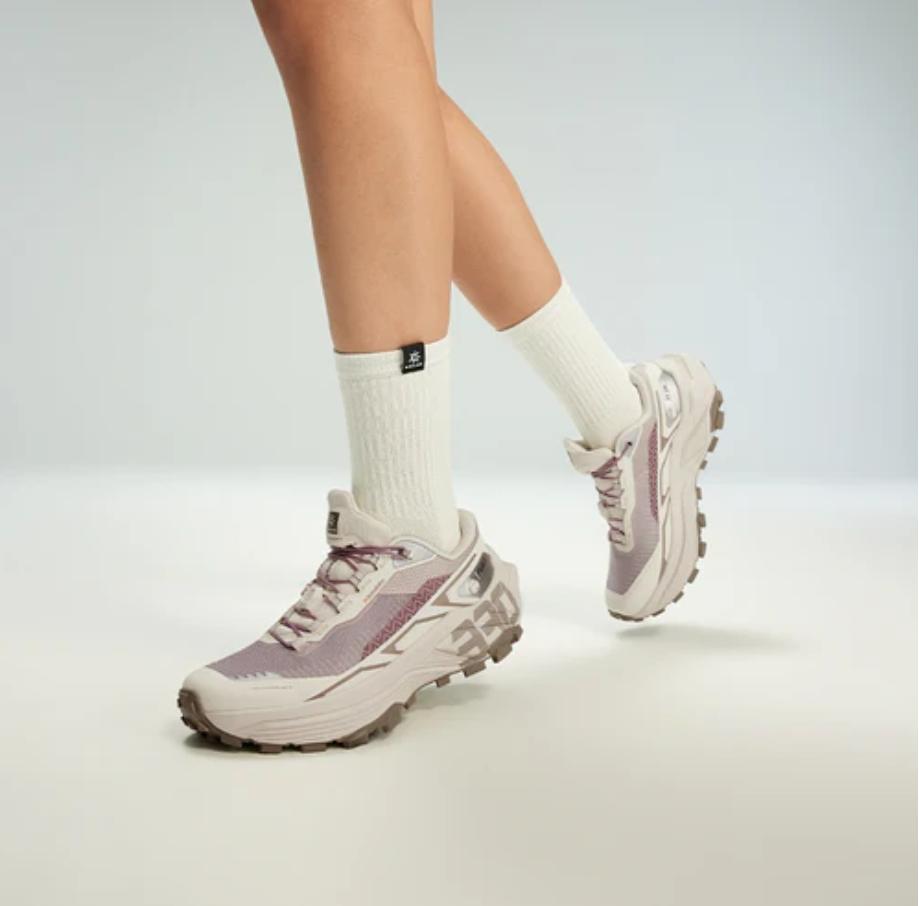
For runners looking for a race-day option built for mixed terrain, the Kailas FUGA EX330 can fit this type of challenge. Its VIBRAM MEGAGRIP outsole helps provide reliable traction on wet, loose, and uneven surfaces, while the Eccevai thick rebound midsole adds cushioning for long-distance comfort. These two features are especially useful in a trail marathon, where runners need both control and support across varied conditions.
What Makes a Trail Marathon Different From a Road Marathon
A road marathon usually rewards steady rhythm and consistent pacing. A trail marathon is less predictable. Your pace may change often because of steep climbs, rocky paths, muddy corners, and narrow singletrack sections. Even if the distance is the same, your feet and legs work harder to stay balanced.
This means your shoes need to do more than feel light. They should help you handle uneven terrain without wasting too much energy. A good trail marathon shoe should offer enough cushioning for the full distance, enough grip for changing surfaces, and enough stability to keep your foot secure when the trail gets rough.
Why Road Running Shoes May Not Work on Trails
Some runners wonder if they can wear road shoes for a trail marathon. For very smooth gravel paths, road shoes may be acceptable, but they are usually not the best choice for real trail conditions. Road shoes are built mainly for flat, predictable surfaces. They often do not have the outsole grip or protective structure needed for mud, wet rock, roots, and loose downhill sections.
During a trail marathon, poor grip can make every step feel less secure. Your body has to work harder to correct slips and small balance changes. Over 26.2 miles, that extra effort can lead to faster fatigue. Trail-specific shoes are designed to give runners better traction and protection, especially when the course includes technical terrain or elevation change.
How to Choose Shoes Based on Trail Surface
The best shoe choice depends on the course. If the marathon takes place on hard-packed dirt or light gravel, a moderately cushioned shoe with medium lugs may work well. If the race includes mud, wet grass, or soft ground, deeper lugs can help the outsole bite into the surface. For rocky mountain trails, grip, underfoot protection, and stability become more important.
Weather also matters. A dry course can feel completely different after rain. Wet rocks and muddy descents require stronger outsole performance than dry forest trails. Before choosing your shoes, study the race route, elevation profile, and previous race photos if they are available. This helps you understand whether the course favors speed, protection, or technical control.
What Support Do You Need for 26.2 Miles
A trail marathon is long enough for small shoe problems to become serious. Tight toe boxes can cause pressure on descents. Loose midfoot fit can lead to sliding and blisters. Too little cushioning can leave your feet sore in the later miles, while an unstable shoe can make technical terrain feel harder than it should.
Look for a shoe that holds the heel and midfoot securely while leaving enough space for natural toe movement. Cushioning should feel protective but not overly soft. On trails, runners still need ground awareness, especially when stepping over rocks and roots. The goal is to find a balance between comfort, stability, and control.
How to Break In Trail Marathon Shoes Before Race Day
Never wear a brand-new pair of shoes for a trail marathon. Even if they feel comfortable in the store, they need to be tested on real terrain. Use them during shorter trail runs first, then try them on longer runs with climbs and descents. Pay attention to rubbing, toe pressure, heel slipping, and how your feet feel after one or two hours.
Your race shoes should feel familiar before marathon day. They should work well with the socks you plan to wear and handle the type of terrain you expect during the race. When your shoes have already proven themselves in training, you can focus more on pacing, fueling, and enjoying the trail instead of worrying about your feet.