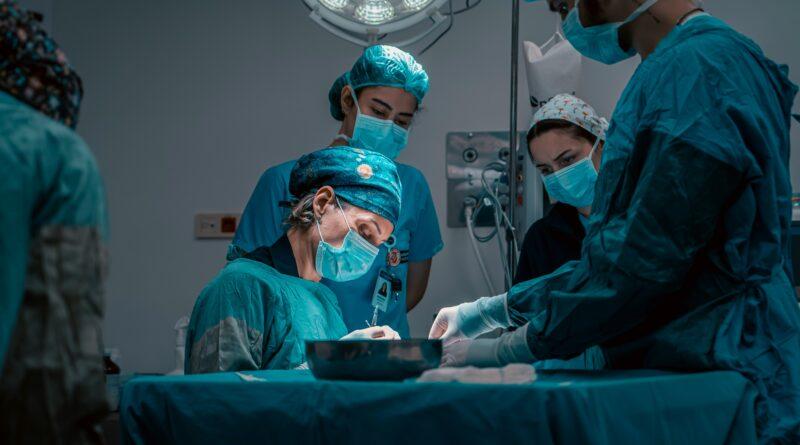
Common Reasons People Consider Plastic Surgery Procedures
Plastic surgery covers a broad range of procedures involving the face, body, skin, soft tissue, and reconstructive needs. Some procedures are performed for appearance-related concerns, while others are done to restore form, support function, or address changes caused by injury, surgery, congenital conditions, ageing, weight change, pregnancy, or medical treatment.
The decision to consider plastic surgery is personal. Some patients want to address a feature that has bothered them for a long time. Others may need reconstructive surgery after trauma, cancer treatment, burns, or wound-related concerns. In many cases, the consultation is not only about choosing a procedure, but also about understanding suitability, risks, alternatives, recovery, and realistic expectations.
What Is Plastic Surgery?
Plastic surgery is a medical field that includes both reconstructive and cosmetic procedures. Reconstructive surgery focuses on restoring form, structure, or function after injury, illness, congenital conditions, cancer treatment, burns, wounds, or surgery. Cosmetic surgery focuses on changing the appearance of a facial or body feature when there may not be a medical need for surgery.
Some procedures may involve both reconstructive and appearance-related goals. For example, eyelid surgery may be considered for aesthetic reasons, but it may also be discussed when drooping eyelids affect the field of vision. Nasal surgery may be considered for appearance-related concerns, but it may also involve breathing-related issues depending on the diagnosis.
A consultation with a qualified plastic surgeon can help patients understand whether a concern is mainly cosmetic, reconstructive, functional, or a combination of these.
1. Appearance-Related Concerns
One common reason people consider plastic surgery is to address a feature they feel is not proportionate, balanced, or aligned with their personal preferences. This may involve the eyes, nose, chin, jawline, breasts, abdomen, arms, thighs, or other areas.
Appearance-related concerns may include:
- Eyelid shape or excess eyelid skin
- Nose shape or size
- Facial contour concerns
- Chin or jawline proportion
- Breast size, shape, or position
- Abdominal skin or contour changes
- Scars or skin irregularities
- Body contour changes after weight loss
Patients should discuss what concerns them, what outcome they are hoping for, and whether those expectations are medically realistic. Surgery may change appearance, but it cannot guarantee emotional satisfaction or resolve deeper concerns about self-image.
2. Age-Related Facial or Body Changes
Some patients consider plastic surgery because of changes associated with ageing. These may include loose skin, eyelid heaviness, facial volume changes, wrinkles, neck skin changes, or changes in body contour.
Procedures that may be discussed include eyelid surgery, facelift, neck lift, fat grafting, skin procedures, or body contouring surgery, depending on the concern.
Age-related changes are natural. Surgery is not medically necessary for every patient. A consultation can help determine whether surgery, non-surgical treatment, monitoring, or no treatment is more suitable.
3. Eyelid Concerns
Eyelid concerns are a common reason for plastic surgery consultation. Patients may seek assessment for double eyelid surgery, upper eyelid surgery, lower eyelid surgery, eyebag surgery, or ptosis correction.
Common eyelid concerns may include:
- Heavy upper eyelids
- Uneven eyelid folds
- Drooping eyelids
- Lower eyelid puffiness
- Loose skin around the eyes
- A tired-looking eye area
- Vision obstruction from eyelid drooping in selected cases
The suitable approach depends on the cause of the concern. For example, drooping caused by ptosis is different from excess upper eyelid skin. A doctor will assess eyelid position, muscle function, skin, fat distribution, eye health, and symptoms before discussing options.
4. Nose Shape or Breathing-Related Concerns
Some patients consider rhinoplasty because of nose shape, facial proportion, injury-related changes, or previous surgery concerns. Others may seek assessment because of breathing difficulty, nasal obstruction, or structural problems.
A consultation may assess:
- Nasal bridge shape
- Nasal tip shape
- Nostril shape
- Facial proportion
- History of trauma
- Previous nasal surgery
- Breathing symptoms
- Septum or internal nasal structure concerns
If breathing symptoms are present, medical assessment is important. Cosmetic changes and functional concerns may need to be evaluated together, depending on the case.
5. Breast-Related Concerns
Plastic surgery consultations may involve breast size, shape, asymmetry, sagging, reconstruction, or changes after pregnancy, weight change, ageing, or cancer treatment.
Procedures that may be discussed include:
- Breast augmentation
- Breast reduction
- Breast lift
- Breast reconstruction
- Correction of breast asymmetry
- Implant removal or revision in selected cases
Breast procedures require discussion of risks, scars, implant-related considerations where relevant, breastfeeding concerns, future screening, recovery, and long-term follow-up.
6. Body Changes After Pregnancy
Some patients consider plastic surgery after pregnancy and childbirth because of changes in the abdomen, breasts, skin, or body contour. These changes may include loose abdominal skin, separated abdominal muscles, breast volume changes, or breast sagging.
Procedures that may be discussed include abdominoplasty, breast lift, breast reduction, breast augmentation, or body contouring surgery, depending on the concern.
Patients should discuss timing carefully, especially if they are breastfeeding, planning more pregnancies, or still recovering after childbirth. Surgery may need to be delayed until the body has stabilised and the patient is medically ready.
7. Body Changes After Weight Loss
After significant weight loss, some patients may have loose skin around the abdomen, arms, thighs, chest, back, or face. This may cause discomfort, skin irritation, difficulty finding clothing, hygiene concerns, or appearance-related concerns.
Body contouring surgery may be discussed to remove excess skin and reshape selected areas. However, suitability depends on weight stability, general health, nutritional status, smoking status, skin condition, and patient goals.
Patients should ask about scarring, wound healing, recovery time, staged procedures, and whether more than one operation may be needed.
8. Scars, Burns, and Wound-Related Concerns
Plastic surgery may be considered for scars caused by injury, surgery, burns, acne, or wound healing problems. Not all scars can be removed completely, but some treatments may help change the appearance, texture, tightness, or function of a scar.
Options may include:
- Scar revision surgery
- Steroid injections in selected scars
- Laser treatment
- Silicone products
- Wound care
- Skin grafting or flap surgery in selected cases
- Contracture release after burns
The treatment plan depends on scar type, location, age of the scar, skin type, symptoms, and whether the scar affects movement or comfort.
9. Trauma or Injury Reconstruction
Plastic surgery may be needed after injuries involving the face, hands, skin, soft tissue, bones, or nerves. The goal may be to repair damaged tissue, restore coverage, support healing, or address appearance and function after injury.
Examples may include:
- Facial injury repair
- Hand injury repair
- Skin and soft tissue reconstruction
- Nerve or tendon-related reconstruction in selected cases
- Scar revision after injury
- Reconstruction after wounds or tissue loss
Treatment depends on the type and severity of injury. Urgent care may be needed for open wounds, severe pain, bleeding, infection, loss of sensation, or difficulty moving a body part.
10. Reconstruction After Cancer Treatment
Some patients require reconstructive surgery after cancer surgery. This may involve breast reconstruction after breast cancer surgery, skin reconstruction after skin cancer removal, or head and neck reconstruction after cancer treatment.
Reconstruction may aim to restore tissue coverage, support function, or address changes after cancer removal. The timing may depend on the cancer treatment plan, radiotherapy, chemotherapy, wound healing, and patient preference.
Patients should ask how reconstruction fits into the wider cancer care plan and whether it will affect follow-up, screening, or additional treatment.
11. Congenital or Developmental Conditions
Plastic surgery may be involved in care for congenital or developmental conditions. These are conditions present from birth or that become more noticeable as a person grows.
Examples may include:
- Cleft lip or palate
- Ear shape concerns
- Craniofacial differences
- Hand differences
- Birthmarks or vascular malformations
- Congenital breast or chest wall differences
Treatment may involve one or several stages and may require coordination with other specialists. The timing depends on the condition, symptoms, development, and patient needs.
12. Functional Concerns
Plastic surgery is not always purely appearance-related. Some patients seek help because a physical issue affects daily function, comfort, vision, breathing, movement, or skin health.
Functional concerns may include:
- Drooping eyelids affecting vision
- Heavy breasts causing discomfort
- Loose skin causing irritation after weight loss
- Scars restricting movement
- Hand injuries affecting grip
- Nasal structure concerns affecting breathing
- Wounds requiring tissue coverage
When function is affected, the doctor may assess symptoms, physical findings, medical history, and whether surgery or another treatment option is suitable.
13. Revision Surgery After a Previous Procedure
Some patients seek plastic surgery consultation because they are unhappy with the result of a previous procedure, have complications, or have changes over time. Revision surgery can be more complex because of scar tissue, altered anatomy, healing patterns, and limited tissue availability.
Patients considering revision surgery should prepare previous operation notes, implant records, medical reports, photographs, and details of complications where available.
A consultation may cover:
- What can and cannot be changed
- Whether further surgery is safe or suitable
- Timing of revision surgery
- Scar tissue and healing concerns
- Risks of additional procedures
- Whether non-surgical management is more appropriate
Patients should allow enough healing time after the initial surgery before deciding on revision, unless there is a medical concern requiring earlier care.
14. Emotional and Psychological Considerations
Plastic surgery can involve emotional decision-making. Patients may have personal reasons for seeking treatment, but it is important to consider whether expectations are realistic and whether the timing is appropriate.
Before surgery, patients may wish to reflect on:
- Why they want the procedure
- Whether the concern affects daily life
- Whether expectations are realistic
- Whether they understand the risks
- Whether they feel pressured by others
- Whether social media or trends are affecting the decision
- Whether they are prepared for recovery
- Whether they can accept scars, swelling, or possible revision
A responsible consultation should include discussion of limitations, not only potential changes.
What Happens During a Plastic Surgery Consultation?
A plastic surgery consultation usually includes a discussion of the patient’s concerns, medical history, previous procedures, medication use, allergies, smoking status, and expectations.
The doctor may assess:
- The area of concern
- Skin and soft tissue quality
- Anatomy and proportions
- Scarring or previous surgery
- Functional symptoms
- General health
- Suitability for surgery
- Possible non-surgical options
- Risks and recovery
Photographs may be taken for medical documentation. The doctor should explain the diagnosis, treatment options, limitations, risks, recovery, and follow-up before any decision is made.
When to Delay or Reconsider Plastic Surgery
Plastic surgery may not be suitable at every point in life. A doctor may advise delaying surgery if there are medical, emotional, or practical concerns.
Surgery may need to be delayed or reconsidered if:
- A medical condition is not well controlled
- The patient is pregnant or breastfeeding, depending on procedure
- Weight is still changing significantly
- Smoking has not been stopped where required
- There is an active infection
- Expectations are not realistic
- The patient feels pressured by another person
- Recovery time is not possible
- The risks outweigh the likely benefit
A decision to wait can be appropriate if it allows for safer planning and clearer expectations.
People consider plastic surgery procedures for many reasons, including appearance-related concerns, age-related changes, eyelid concerns, nose concerns, breast changes, body changes after pregnancy or weight loss, scars, trauma, cancer reconstruction, congenital conditions, functional symptoms, or revision surgery.
Plastic surgery may be cosmetic, reconstructive, functional, or a combination of these. The decision should be based on medical suitability, realistic expectations, risks, recovery, costs, and patient goals.
Patients in Singapore should consult a qualified doctor, ask about alternatives, understand the limitations of surgery, and check cost or insurance matters before proceeding.
FAQ
Why do people consider plastic surgery procedures?
People may consider plastic surgery for appearance-related concerns, reconstructive needs, functional symptoms, injury repair, scars, congenital conditions, body changes after pregnancy or weight loss, cancer reconstruction, or revision after a previous procedure.
Is plastic surgery always cosmetic?
No. Plastic surgery includes both cosmetic and reconstructive procedures. Some procedures address appearance, while others support tissue repair, function, wound coverage, or reconstruction after injury or medical treatment.
What should I ask before plastic surgery?
Ask about suitability, alternatives, risks, scars, recovery, costs, realistic outcomes, revision risk, and whether the concern is cosmetic, reconstructive, functional, or a combination.
Can plastic surgery help with functional concerns?
In some cases, yes. Plastic surgery may be considered for drooping eyelids affecting vision, scars limiting movement, heavy breasts causing discomfort, wounds needing tissue coverage, or selected breathing-related nasal concerns.
Is revision plastic surgery possible?
Revision surgery may be possible in selected cases, but it can be more complex due to scar tissue, healing changes, and altered anatomy. A doctor can assess whether revision is suitable.
How do I choose a plastic surgery clinic in Singapore?
Patients may consider doctor registration, specialist training, procedure experience, consultation quality, facility setting, safety discussion, cost transparency, follow-up care, and whether the clinic explains risks and alternatives clearly.
This article is for general information only and should not replace medical advice from a qualified healthcare professional.