Exploring the Art, History, and Culture of Italy’s Grand Cities
Italy is like a pilgrimage to the heart of Western culture, a country where every city tells a different story. From the stylish streets of the north to the ancient stones of the capital, Italy offers an amazing collection of art, history, and life. To really get a feel for each region’s unique vibe, it helps to look beyond one city and see how each destination connects to the next.
Milan: Where History Meets Modern Design
While Italy is famous for its ancient past, Milan gives you an exciting look at its present and future. As the country’s fashion and financial hub, it buzzes with modern energy. Here, old Gothic cathedrals stand right next to sleek, new skyscrapers. You could admire Leonardo da Vinci’s “The Last Supper” in the morning and then check out cutting-edge design showrooms in the afternoon.
Beyond the fashion world, Milan is a city of timeless style and inspiration, where new ideas are just part of everyday life. The city has also become a resurgent engine of modern art, with top-notch galleries and foundations showing off today’s most important artists.
The Dreamlike Beauty of Venice
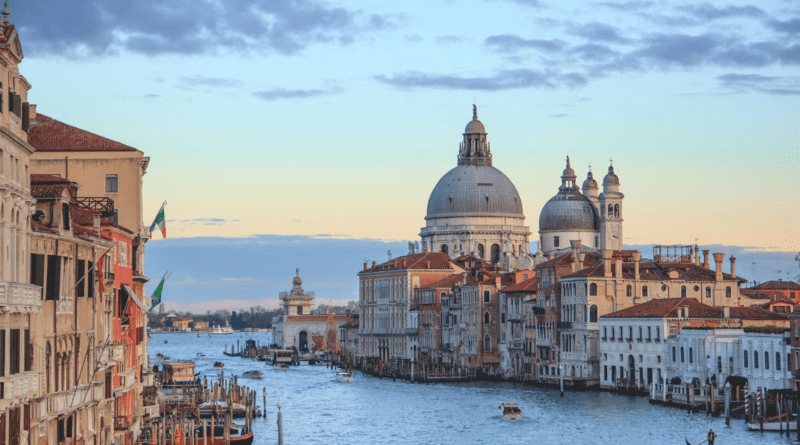
Arriving in Venice feels like stepping into a dream. This city built on water seems to exist outside of time, free from the noise of modern traffic. Its main “roads” are shimmering canals, and the sounds you hear are the gentle lapping of water against stone and the distant song of a gondolier.
Getting lost in its maze of narrow alleys is a classic experience, leading to unexpected discoveries: a quiet, sunlit square, a tiny artisan shop, or an amazing view of the Grand Canal. Venice’s artistic spirit is everywhere, from the Byzantine mosaics in St. Mark’s Basilica to the masterpieces in the Gallerie dell’Accademia.
Florence: Art, Food, and Craftsmanship
Florence is definitely the birthplace of the Renaissance, a city whose art and ideas changed history. Walking its streets feels like being in an open-air museum. The sheer number of masterpieces is incredible, from Michelangelo’s David to Botticelli’s “The Birth of Venus” in the Uffizi Gallery.
You can climb to the top of Brunelleschi’s magnificent Duomo for sweeping views of the city and the rolling Tuscan hills beyond. But Florence is more than just its art; it’s a lively city with busy markets, amazing food, and a strong tradition of craftsmanship that continues today. It also stands among Italy’s great culinary cities, where food, local markets, and daily life are closely connected.
Rome’s Enduring Legacy
All roads lead to Rome, and for good reason. The Eternal City is a huge reminder of nearly three thousand years of history. Here, ancient ruins like the Colosseum and the Roman Forum sit alongside the grandeur of the Vatican and the lively chaos of modern Roman life.
Every corner reveals another layer of the past, from imperial temples to Renaissance palaces and Baroque fountains. Tossing a coin into the Trevi Fountain is more than just a tradition; it’s a promise to come back to a city that always has more to show you. Rome is vast, powerful, and deeply moving, a place that shows the full range of human ambition and artistry.
Connecting Italy’s Great City Experiences
Connecting these different city experiences takes more than just a train schedule. The real trick to an Italian tour is appreciating how you move from one city’s unique culture to the next. A well-planned journey, such as a 21-day Italy Grand Tour, gives you enough time to enjoy Milan’s modern style, Venice’s dreamlike canals, Florence’s Renaissance treasures, and Rome’s ancient legacy without making the trip feel rushed.
It’s about enjoying a final Milanese aperitivo before heading to the magical waterways of Venice, or savoring a last Florentine gelato before getting on a train to Rome’s epic history. Each city is a chapter in a bigger story, and giving yourself time to take them all in, both individually and as a whole, is the key to a truly rich adventure.