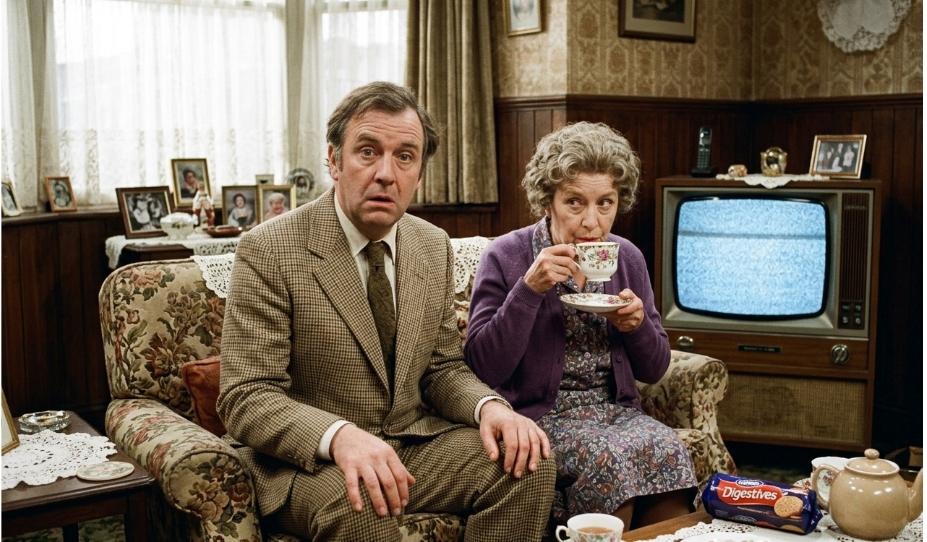
The Enduring Popularity of British Sitcoms and Sketch Shows
The $1 billion British television comedy market is defined by output that does not look for comfortable resolutions or neatly packaged moral lessons. While traditional American sitcoms historically relied on high-energy setups, highly predictable punchlines, and character arcs that wrapped up cleanly within a swift 22-minute window, the British format thrives on the uncomfortable friction of ordinary life. This unique approach to storytelling explains why millions of viewers across the globe consistently tune in to watch the agonizing awkwardness of everyday social interactions filtered through a distinctly UK lens.
The enduring legacy of the genre comes down to a deliberate rejection of shiny optimism. Instead of building narratives around aspiration or glamorous lifestyles, British television finds its creative footing in the quiet desperation of the mundane. Characters are often trapped by their own social inadequacies, locked in dead-end jobs, or forced to navigate relationships with people they can barely stand. This creative philosophy produces an entirely different breed of television where comedy emerges from resignation rather than triumph.
International audiences increasingly favor this uncompromising perspective on human nature over highly polished alternatives. There is a universal relief in watching characters who fail repeatedly but manage to endure anyway. The humor is found not in the avoidance of tragedy, but in the stubborn, dry-witted insistence on laughing straight through it.
Why Character Deficiencies Drive British Comedy Favorites
The core architectural engine of any classic UK sitcom is a fundamentally flawed protagonist who lacks the self-awareness to change. Think of the baseline desperation of middle management or the delusional grandeur of small-time business owners trying to assert authority over an indifferent world. These figures are not designed to be universally liked, but they are deeply understood because their flaws are so recognizable.
Audiences routinely seek out platforms where they can watch acclaimed British comedy favorite options because these programs offer a brilliant mirror to the human condition. The writing relies on a specific type of character-focused comedy that puts intense pressure on ordinary, everyday settings. By grounding preposterous human behavior in highly relatable environments, the scripts achieve a rare balance between realism and pure absurdity.
A recent study detailing how British comedy’s tragicomic nature drives its popularity among international streaming audiences confirms that global viewers actively crave this dry, sarcastic style. The humor resonates because it assumes the audience is intelligent enough to understand subtext. Instead of spelling out every single joke with an aggressive laugh track, the narrative allows painful silences to hang in the air, forcing the viewer to sit with the scene’s discomfort.
The Social Media Resurgence of Vintage Sketch Formats
Thousands of vintage sketch clips are shared across digital platforms every day by younger viewers who were not even alive when these shows originally aired. This digital revival proves that high-quality comedy transcends the specific era in which it was filmed. The bite-sized structure of traditional sketch shows makes them perfectly suited for modern content consumption habits.
A single brilliant sketch can travel across the globe in a matter of seconds, stripped of its original broadcast context but perfectly understood as a standalone piece of satire. The structural discipline required to write a memorable three-minute sketch mirrors the fast-paced nature of modern viral media and the growth of small creators. This organic digital longevity has introduced classic UK comedy brands to a completely fresh demographic of international fans.
Industry data analyzing how social media memes on TikTok and YouTube propel classic sitcoms to global fame highlights a massive shift in viewing habits. Young audiences utilize these short, punchy clips as entry points into expansive back catalogs of television history. A surreal sketch about dead parrots or institutional incompetence from decades ago feels just as sharp and subversive to a viewer scrolling through their phone today as it did to audiences watching a live broadcast in the mid-twentieth century.
The Subtle Art of the Deadpan Delivery
The mechanic that truly separates British comedic writing from global alternatives is the masterful deployment of understatement. While other styles lean heavily on exaggerated physical reactions or loud, energetic declarations, British actors specialize in doing the absolute minimum with their facial expressions. A subtle twitch of an eyebrow or a long, exhausted stare directly into the camera lens can deliver a bigger laugh than a highly orchestrated physical stunt.
This restraint requires a massive amount of confidence from both the writers and the performers. It trusts that the audience is paying close attention to the background details and the subtle inflections of voice. The humor lives comfortably within the pauses between words, creating a unique rhythm that rewards repeat viewings.
Academic research conducted by King’s College London mapping out why global viewers prefer the deadpan style of UK television shows that international audiences appreciate the intellectual maturity of the writing. Viewers enjoy the challenge of decoding the layered sarcasm and the hidden social critiques built into the dialogue. It is an active form of television consumption that treats the viewer as an equal partner in the joke rather than a passive observer waiting to be told when to laugh.
How Regional Identity Shapes Universally Relatable Stories
The geographical specificity of British television is one of its greatest structural strengths. Writers rarely attempt to homogenize their scripts to appeal to a broad, generic global market. Instead, they lean aggressively into the distinct speech patterns, local eccentricities, and cultural landscapes of specific towns, cities, and regions.
This hyper-local focus creates an authentic sense of place that paradoxically makes the stories feel more universal to audiences outside of the United Kingdom. When a show is deeply rooted in a real, living community, the characters feel like genuine human beings rather than hollow caricatures built in a Hollywood writer’s room. The specific struggles might be tied to a small terraced street or a mundane regional office, but the underlying human dynamics are recognizable anywhere in the world.
The creative value of this regional grounding is evident across multiple eras of television production. The following structural elements illustrate exactly why these specific regional environments create such compelling narrative tension:
- The intense claustrophobia of small towns where everyone knows your business
- The unique social hierarchies found within traditional working class workplaces
- The creative friction generated when eccentric local personalities clash over minor issues
When a narrative embraces these localized realities, it avoids the sterile, manufactured feel that plagues so much contemporary global entertainment. The grit, the specific weather, and the regional identity all serve as crucial background characters that enrich the main comedic storyline.
Decoupling Success From Happiness in Modern Sitcom Scripts
The fundamental truth at the heart of the best British comedies is that the characters almost never get what they want. Ambition is routinely punished, and grand schemes inevitably collapse under the weight of poor execution or sheer bad luck. This narrative trajectory stands in stark contrast to traditional storytelling models where characters must experience clear emotional growth or financial triumph by the time the series concludes.
In the British tradition, the ultimate victory for a character is simply surviving the day with a tiny shred of their dignity intact. This realistic approach to storytelling provides a refreshing alternative to the relentless positivity found elsewhere in pop culture. It acknowledges that life is frequently chaotic, unfair, and deeply frustrating, but suggests that there is immense value in finding the absurdity within those difficult moments.
Check out more posts on our site for coverage of cultural topics and lifestyle talking points that are relevant to modern audiences.