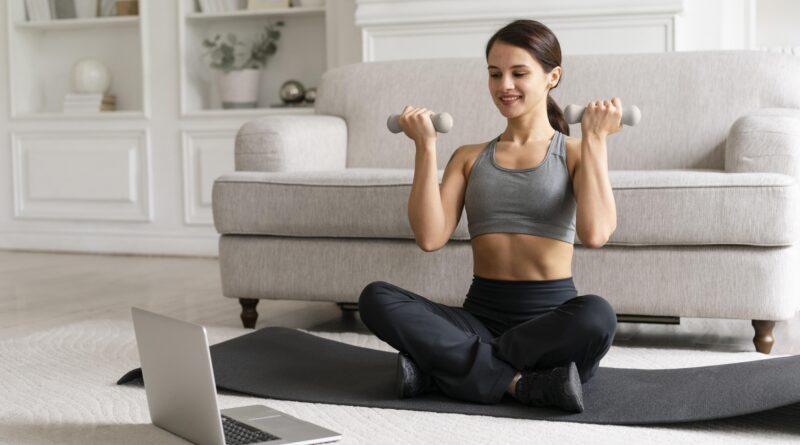
How to Stay Fit at Home With the Right Equipment, Routine, and Motivation
Staying fit at home sounds simple until the reality sets in. The same space that holds your couch and your laundry pile is somehow supposed to become a place where you actually want to work out, day after day, without a gym’s structure or social accountability to keep you going. The right combination of equipment, routine design, and motivation strategy transforms a home workout space from an aspiration into a genuinely sustainable fitness habit. Getting these three elements right matters far more than having the fanciest equipment or the most ambitious workout plan.
Choosing the Right Home Fitness Equipment for Your Goals
Equipment selection should start with your specific fitness goals rather than what looks impressive or trendy on social media. A balanced home gym includes elements of strength-focused equipment, cardio equipment, and flexibility and mobility tools, since each plays a distinct role in overall fitness and injury prevention. Available space and budget should realistically shape your equipment choices, but limited square footage does not have to limit the quality of your workouts. Most importantly, choose equipment you will actually enjoy using. The best piece of equipment in any home gym is the one that gets used consistently, not the one that looks most impressive collecting dust in the corner.
Building a Home Workout Routine That Fits Your Real Life
A workout routine designed around your actual schedule and energy levels succeeds where an idealized but unrealistic plan inevitably fails. Structure your weekly routine to balance cardio, strength training, and recovery in a way that prevents burnout and reduces injury risk. Starting with a manageable routine and building intensity and duration gradually over time produces far better long-term results than an aggressive plan that leads to early burnout. Building in flexibility to adapt your routine on busy days or low motivation days, rather than abandoning the routine entirely, is what separates people who stay consistent from those who give up after a few weeks.
Indoor Cycles: A Standout Cardio Investment for Home Fitness
Indoor cycles have become one of the most popular and effective pieces of home cardio equipment for people serious about staying fit without leaving the house, and for good reason. If you are browsing indoor cycles for sale, understanding what sets a quality bike apart will help you choose equipment that delivers real long-term value rather than something that ends up unused after a few months.
The benefits that make indoor cycling such a strong addition to any home fitness setup include:
- Significant cardiovascular and lower body strength benefits that build endurance, leg strength, and overall fitness with consistent use
- A genuinely low-impact workout that protects joints from the repetitive stress associated with running while still delivering a challenging and effective cardio session
- A range of options to fit different needs and budgets, from basic spin bikes to smart connected bikes with app integration and even recumbent-style indoor cycles for those prioritizing back support and comfort
- Adjustable resistance levels that allow workouts to scale from beginner-friendly sessions all the way up to intense interval training as fitness improves over time
- Excellent space efficiency compared to treadmills and other larger cardio machines, making indoor cycles a smart choice for smaller home gyms or shared living spaces
- Compatibility with streaming classes and app-based programs that add structure, motivation, and variety to home cardio workouts, helping replicate the energy of an in-person class from your own living room
For anyone serious about building a home cardio routine that lasts, an indoor cycle is one of the highest-value equipment investments available.
Staying Motivated When the Gym Is Just Down the Hall
Home workout motivation requires different strategies than gym-based motivation, since the usual social accountability and environmental cues simply are not there to carry you through low-motivation days. Scheduling workouts like non-negotiable appointments, rather than leaving them to spontaneous motivation, dramatically increases the likelihood that they actually happen. Tracking progress through apps, journals, or simple checklists creates the sense of momentum that keeps home workouts consistent over time. Virtual classes, workout streaming platforms, and online fitness communities can replicate much of the accountability and energy that makes in-person training effective, and simple environmental changes, like keeping your equipment visible and your workout space tidy and inviting, reduce the friction of getting started on days when motivation is low.
Tracking Progress and Adjusting Your Approach Over Time
Regularly tracking key metrics like workout frequency, intensity, and how you feel helps you recognize progress that might otherwise go unnoticed in the day-to-day grind of a home fitness routine. Knowing when it is time to increase intensity, add new equipment, or adjust your routine prevents the plateaus that derail long-term motivation. Celebrating small wins and consistency milestones, rather than focusing exclusively on major transformations, sustains motivation far more effectively over the months and years that genuine fitness progress actually requires. Flexibility in your overall approach, rather than rigid adherence to a single plan, consistently produces better long-term outcomes for people training at home.
Building a Home Fitness Habit That Actually Lasts
The right combination of thoughtfully chosen equipment, a realistic routine, and sustainable motivation strategies creates a home fitness habit that survives busy seasons and low-motivation days alike. Consistency matters far more than perfection when it comes to staying fit at home, and progress compounds steadily even when individual workouts feel unremarkable. Start with one meaningful change, whether that is investing in a quality piece of equipment like an indoor cycle or simply building a more realistic weekly schedule, and let your home fitness routine grow from that solid foundation.