Tiny Pest Clues That Can Hurt a Home’s Value Fast
Tiny pest clues can cause surprisingly big headaches when you own, sell, or shop for a home. A few ants by the sink may seem harmless, but sometimes those little visitors are waving a red flag. If you care about property value, repair costs, or just not sharing your walls with insects, it helps to know what to watch for. You don’t need to become a bug detective in a tiny trench coat. You just need to spot the signs early and act before the damage gets expensive.
Early warning signs
When you’re looking at a home, it’s easy to focus on shiny countertops and fresh paint. Meanwhile, small pest clues can hide in plain sight. A trail of ants near a baseboard, a pile of wing bits on a windowsill, or mystery wood shavings in a corner may look minor, but they can hint at a bigger issue.
This matters because some insects are mostly annoying, while others can damage wood and create costly repairs. In real estate, that can affect inspections, negotiations, and how confident a buyer feels about making an offer.
A smart rule is simple: don’t ignore repeat signs. If you keep seeing bugs in the same area, or you notice wood that looks soft, blistered, or oddly hollow, pay attention. Your house may not be screaming for help, but it could be clearing its tiny insect throat.
Know what you’re seeing
If you want to avoid panic over every crawling speck, start with understanding the difference between carpenter ants and other ants or termites. It’s one of the easiest ways to tell whether you’re facing a nuisance or a problem that could affect the structure of a home.
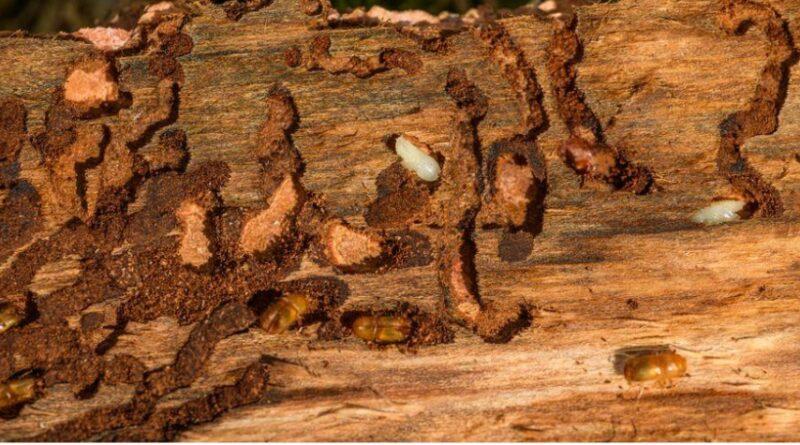
Carpenter ants are usually larger than common household ants. They often look black, reddish, or a mix of both. Unlike termites, they don’t eat wood for food. They tunnel through it to build nests, which still isn’t great news for your walls.
Termites tend to have straighter bodies and wings that are more equal in size. Carpenter ants have a narrow waist and bent antennae. Regular kitchen ants are often smaller and more interested in crumbs than beams. Size, body shape, and where you find them can tell you a lot before you ever call in help.
Why buyers should care
If you’re buying a home, pests aren’t just an “ew” issue. They can become a money issue very quickly. Evidence of carpenter ants or termites may lead to more inspection questions, possible repairs, and lower confidence in the property’s condition.
For sellers, even a small pest problem can create a trust problem. Buyers may wonder what else has been missed if they spot insect damage during a showing or inspection. That can slow down a deal or invite requests for credits and repairs.
It also comes down to timing. Replacing damaged trim is one thing. Repairing framing, flooring, or hidden wood inside walls is a very different budget conversation. A buyer who notices signs early can ask better questions. A seller who handles the issue early can protect the home’s value and avoid having a tiny insect become the star of the closing process.
Where damage often starts
Wood-damaging pests usually don’t pick random spots. They like areas with moisture, shade, and easy access. That means bathrooms, kitchens, laundry rooms, crawl spaces, attics, basements, and window frames deserve extra attention.
Outside, decks, porches, fences, garages, and woodpiles can be common starting points. If wood stays damp after rain or sprinklers keep soaking one side of the house, that can create an open invitation. Bugs love a soft opening, and wet wood is basically that.
Look for clues like:
- sawdust-like debris near wood
- bubbling or peeling paint
- faint rustling inside walls
- wing piles near doors or windows
- wood that sounds hollow when tapped
None of these signs proves the exact pest on its own. Still, together they can point to a problem area. The goal is to notice patterns, not just one weird crumb pile and move on.
When to call help
Some pest issues can be handled with basic cleanup and prevention. If you spot a few common ants near food, you may just need to seal snacks better, wipe surfaces, and close a crack around a door. That’s annoying, but it’s not always dramatic.
It’s time to call a professional when signs keep returning or when wood damage enters the picture. If you see large ants indoors more than once, especially near damp wood, that’s worth checking. The same goes for piles of wings, soft trim, or insect activity around window frames and baseboards.
A pest professional can tell you what you’re dealing with and whether the issue is active. That matters in real estate because guessing can waste time. You don’t want to overreact to harmless ants, but you also don’t want to shrug at a serious problem. When the walls might be hosting unwanted roommates, expert eyes are worth it.
Simple habits that help
You don’t need a complicated plan to make your home less appealing to pests. Small habits go a long way, especially when they reduce moisture and block easy entry points.
Start with the basics:
- fix leaks under sinks and around windows
- seal cracks near doors, pipes, and foundations
- keep gutters clear and draining well
- trim bushes and tree limbs away from the house
- store firewood off the ground and away from walls
- replace rotting wood before it gets worse
It also helps to pay attention after storms or humid stretches. Those are good times to check window sills, garages, and exterior wood for fresh activity. If you treat little warning signs seriously, you’re more likely to avoid big repairs later.
A home doesn’t have to be perfect. It just needs regular attention. And when it comes to wood-damaging pests, catching the problem early is always better than learning about it after the walls have already been snack-tested.