
Pool Construction Best Practices Every Contractor Should Know
Pool construction looks like a simple sequence from the outside. Dig a hole, build a shell, plumb it, finish it, fill it. The contractors who actually do this well know it as a multi-stage construction project where every phase shapes the outcome of the next.
The difference between a builder who produces beautiful, warranty-clean pools and one who fights callbacks for years isn’t talent. It’s the set of best practices the good builders run on every job, from the pre-construction walkthrough to the final water chemistry handoff.
This guide walks through the pool construction best practices every contractor should know, covering pre-construction setup, the active build phase, post-construction handoff, and the protection strategies that hold across every project regardless of size.
What Best Practices Set Up Successful Pool Construction From Day One?
Most pool construction failures start before the first shovel hits dirt. The pre-construction work either sets the project up to run smoothly or guarantees friction the rest of the way through. Contractors who treat pre-construction as a discipline rather than paperwork avoid the bulk of disputes that affect their peers.
The pre-construction best practices that consistently pay back:
- Thorough site assessment: Detailed walkthrough documenting existing conditions, access paths, utility marks, and any features that could affect construction
- Soil testing: Especially in areas with rock, expansive clay, or high water tables that change the cost and method of excavation
- Verified utility locating: Call 811, mark on site, and document the marks with photos before any excavation
- Engineered design and plans: Detailed drawings showing the pool, deck, equipment locations, plumbing routes, and electrical bonding grid
- Permit verification: Confirming all required permits before mobilizing, not after
- Written pre-construction agreement: Scope, timeline, payment schedule, and exclusions documented and signed
- Client expectations meeting: A formal walkthrough of the schedule, what to expect, and how communications will happen
- Existing conditions documentation: Photos and written notes on driveways, landscaping, fences, and anything that could be affected by access
The single biggest pre-construction mistake is skipping the formal client expectations meeting. Most disputes during construction trace back to the client not understanding what was actually agreed to, which is preventable when both parties walk through the plan together before work begins.
What Should You Get Right During the Active Construction Phase?
The active construction phase is where pool construction best practices either show up in the work or fail to. Each phase depends on the one before it, and shortcuts at any stage produce failures that show up later, often after final payment.
Best practices during active construction:
- Daily site safety meetings: Brief huddles covering hazards, weather, and any changes from the day before
- Phase-by-phase inspections: Internal quality checks at the end of each phase before moving forward
- Documented utility locates: Re-confirm marks before excavation and document any changes
- OSHA-compliant excavation safety: Protective systems on any trench five feet or deeper, with competent person inspections
- Material quality verification: Steel, concrete, plumbing, and electrical materials matching specifications before installation
- Subcontractor management: Verified insurance certificates, scope documentation, and supervision for every sub on site
- Change order discipline: Written and signed before any work outside the original scope
- Client communication cadence: Regular updates that prevent surprise calls from anxious homeowners
Specialty programs that provide pool business insurance are built around the phase-specific exposures of this work. Each stage of pool construction carries a distinct liability exposure, from excavation cave-ins to plumbing failures post-fill, and a specialized program protects builders at every phase rather than only at project completion. The right coverage matches the real shape of the work.
The contractors who run cleaner active phases tend to share one habit: they treat every phase boundary as a checkpoint, with documented sign-off before the next phase starts. That single practice catches more issues earlier than any other.
What Best Practices Apply After the Pool Is Built?
Post-construction is where many otherwise solid pool construction projects come undone. The finishing details, the startup process, and the customer handoff all determine whether the project produces a happy client and a referral or a string of warranty calls.
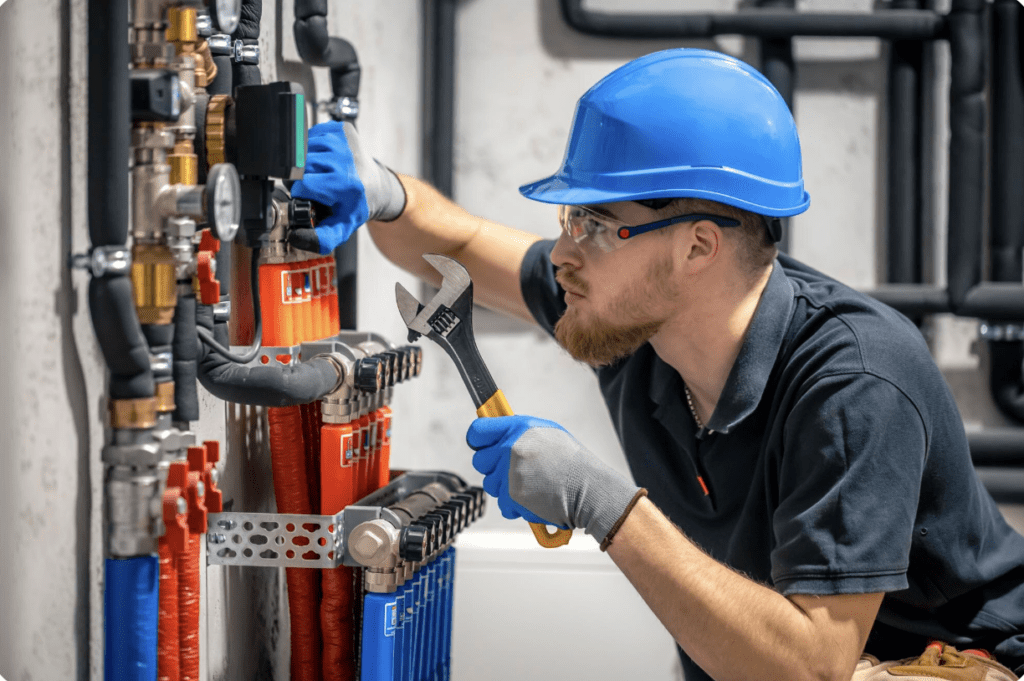
The post-construction best practices that consistently protect the project:
- Pressure testing all plumbing: Verifying no leaks before final concrete or tile work covers connections
- Documented equipment startup: Following manufacturer startup procedures and recording the results
- Water chemistry stabilization: Several weeks of monitored chemistry to bring water to proper balance
- Final cleanup and restoration: Returning the surrounding site to a clean, restored condition
- Customer orientation: Walkthrough of operation, maintenance, and water chemistry basics before handoff
- Written warranty and maintenance documentation: Clear terms, manufacturer documents, and contact information for service
- Final walkthrough sign-off: Documented client acknowledgment that the project was completed as agreed
- Photo documentation: Before, during, and after photos for the project file
The startup chemistry alone is where many contractors lose the client relationship. A new pool with poorly stabilized chemistry produces algae, staining, or equipment damage within weeks, and the client correctly remembers it as the contractor’s fault. Walking the client through chemistry properly, or handing off to a maintenance service if the client prefers, prevents most early-life pool problems.
How Should Contractors Protect Themselves Across All Phases?
Protecting the contractor across every phase of pool construction requires both operational discipline and the right insurance program. Either one alone leaves gaps that the other was supposed to cover, and the protection has to span the full project rather than only the final delivered work.
A complete protection approach includes:
- Written contracts with clear scope: Every project documented in writing with scope, timeline, payment, and warranty terms
- Pre-work site documentation: Photos and written conditions that protect against later disputes
- Verified utility locates: Documented marks kept in the project file
- Subcontractor insurance certificates: Current certificates for every sub working on site
- Daily and phase-by-phase documentation: Records of work performed, inspections passed, and any issues raised
- Customer communication records: Written confirmation of decisions, change orders, and milestones
- Phase-specific safety procedures: Following OSHA standards for excavation, electrical work, and chemical handling
- Insurance coverage matching the work: General liability sized for actual exposure, equipment, completed operations, and pollution coverage all aligned with the scope of pool work
The contractors who consistently win at pool construction over many years all share a similar approach. They treat documentation, safety, and insurance as core operating costs rather than optional expenses, and they build their processes around protecting the business at every phase rather than only at the end. The investment in best practices compounds across projects, while the cost of skipping them shows up exactly when the contractor can least afford it.
NIP Group offers specialty insurance for pool contractors through its PoolPro program, packaging general liability, workers’ compensation, commercial auto, equipment, and completed operations coverage with A+ rated carriers. A+ describes an insurer’s superior financial strength to pay out claims when filed.
FAQs
1. What’s the most important best practice in pool construction?
The most important best practice in pool construction is phase-by-phase documentation with internal quality checks before each phase ends. This single discipline catches problems before they’re buried under the next phase of work, prevents disputes by creating a defensible record, and supports both warranty defense and insurance claims if either becomes necessary.
2. How can pool contractors reduce callbacks and warranty claims?
Pool contractors can reduce callbacks and warranty claims through several consistent practices:
- Thorough pressure testing before any plumbing is covered
- Documented manufacturer-specified equipment startup procedures
- Several weeks of monitored water chemistry stabilization
- Customer orientation on operation and maintenance
- Written warranty terms with clear exclusions
- Photo documentation of every phase for warranty defense
3. Does insurance cover claims that arise after pool construction is complete?
Insurance can cover claims that arise after pool construction is complete when contractors carry products and completed operations coverage built for the pool trade. Standard small-business policies often sub-limit or exclude completed operations claims, which is why specialty pool contractor programs typically build that exposure into core coverage rather than treating it as an add-on.
4. What documentation should be kept after pool construction is finished?
Documentation that should be kept after pool construction is finished includes the signed contract, change orders, permit records, inspection sign-offs, photo records of every phase, manufacturer documentation, warranty terms, the final walkthrough acknowledgment, and any post-completion service or correspondence. Most contractors keep these records for at least the duration of the longest applicable warranty period.