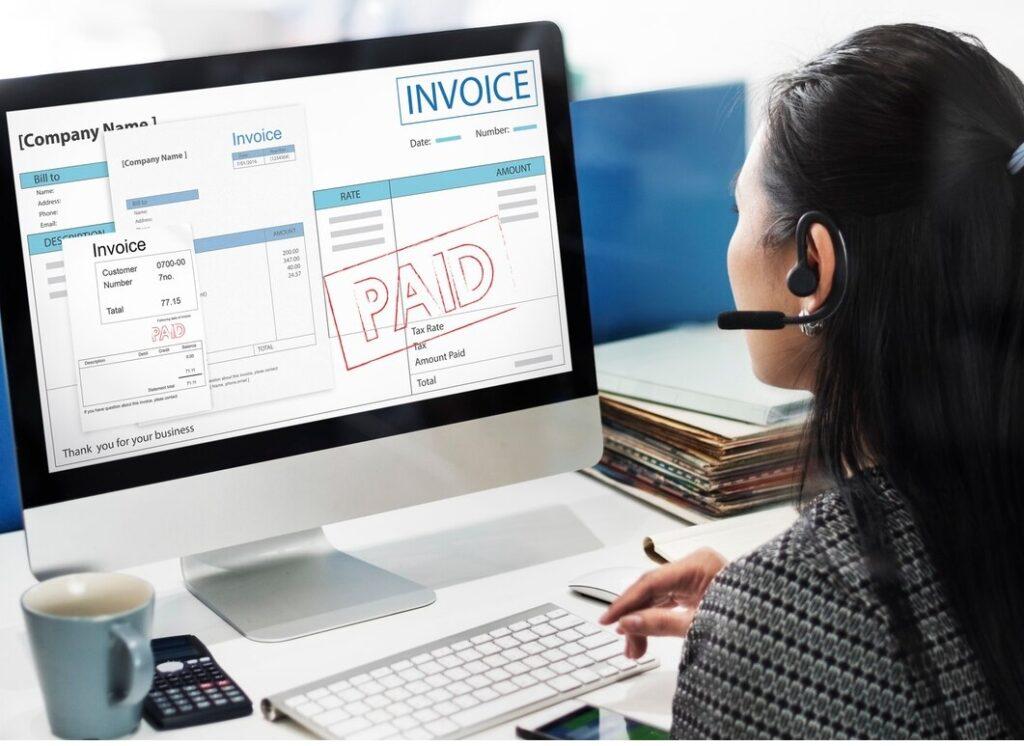
How MCA Software Helps Manage Merchant Payment Schedules
Managing payment schedules is a key part of the Merchant Cash Advance business. After a deal is funded, MCA teams need to track repayments, monitor daily or weekly payments, update balances, and react quickly when a payment is missed or delayed.
Manual payment tracking with spreadsheets may work for a small portfolio, but it becomes risky as deal volume grows. Outdated records, missed follow-ups, and reporting errors can affect cash flow visibility and merchant relationships. That is why many companies use MCA software to manage repayment schedules in one centralized system.
Why Payment Tracking Matters
In MCA operations, every payment matters. Funders, brokers, syndicates, and servicing teams need to know what has been collected, what is still due, and which accounts need attention.
A good payment tracking process helps teams see:
- Which merchants paid today.
- Which payments are late.
- What balance remains.
- Which accounts need follow-up.
- How much should be collected this week.
- Which merchants may be ready for renewal.
Without a reliable system, teams spend too much time checking bank activity, updating spreadsheets, and confirming payment status manually.
How Merchant Cash Advance Software Manages Payment Schedules
Merchant cash advance software helps organize payment schedules from the moment a deal is funded. It stores merchant data, funding details, repayment terms, payment history, notes, and follow-up tasks in one place.
A cash advance payment management system can help teams:
- Create a cash advance repayment schedule.
- Track daily and weekly payments.
- Monitor missed, partial, or delayed payments.
- Update repayment status.
- Keep payment history connected to each merchant.
- Automate reminders and internal tasks.
- Generate reports for managers and teams.
This makes it easier to manage active deals and understand portfolio performance.
How to Track Payments More Efficiently
If you are looking for how to track payments in an MCA business, the best approach is to replace manual spreadsheets with repayment tracking software.
A centralized system allows teams to see expected payment dates, collected amounts, failed payments, remaining balances, and account notes. Servicing teams spend less time searching for information and more time managing exceptions. Managers get clearer reporting and better cash flow visibility.
How to Automate Repayment Schedules
Many MCA companies want to know how to automate repayment schedules because manual tracking takes too much time. Automation helps reduce repetitive work and keeps the process consistent.
With MCA software, teams can set payment frequency, organize repayment dates, assign follow-up tasks, and receive alerts when something needs attention. The software manages merchant payments by keeping schedules updated and helping teams focus on late, at-risk, or review-ready accounts.
How to Manage Daily and Weekly MCA Payments
Daily and weekly payments require close attention. A missed daily payment can quickly become a larger issue if it is not noticed. Weekly payments also need clear tracking so teams can forecast expected collections.
MCA software helps manage daily and weekly MCA payments by showing what is due, what has been collected, and what is overdue. This creates a more organized process for tracking merchant cash advance payments and gives servicing teams a clear workflow.
Why MCA Businesses Need a Dedicated Payment Management System
Generic CRMs are not always enough for MCA companies. They may support contacts and sales activity, but they are not built around MCA repayment workflows.
MCA businesses need software that understands payment schedules, merchant funding, repayment tracking, broker activity, syndication, reporting, and renewals. A dedicated cash advance payment management system helps teams manage deals after funding, not just before funding.
How SugarAnt Helps
SugarAnt is built for MCA brokers, funders, syndicates, and lending teams that need a better way to manage operations. It helps organize merchant data, track deals, automate tasks, manage communication, and improve reporting.
For payment schedule management, SugarAnt helps centralize repayment information, reduce manual work, monitor performance, and keep important data connected in one system. Instead of relying on disconnected spreadsheets, MCA teams can use SugarAnt to create a clearer and more scalable workflow.
Conclusion
Managing MCA payment schedules requires accuracy, speed, and visibility. Merchant cash advance software helps companies improve payment tracking, automate repayment schedules, monitor merchant activity, and manage repayment workflows more efficiently.
For MCA businesses that want better control over payments, reporting, and merchant relationships, a dedicated system like SugarAnt can make the process simpler and more reliable.