Water Heater Installation Guide for Safe, Efficient, and Long-Lasting Hot Water Systems
A reliable hot water supply is one of the most important comforts in any home or commercial property. From bathing and cooking to cleaning and laundry, hot water plays a critical role in everyday life. At the center of this convenience is the water heater, a plumbing appliance designed to provide a steady supply of heated water whenever it is needed. Because water heaters are used daily, proper installation is essential for ensuring safety, efficiency, and long-term performance.
Many property owners focus heavily on choosing the right water heater but pay less attention to the installation process itself. However, even the highest-quality unit can experience performance problems if it is not installed correctly. Proper water heater installation affects energy efficiency, operating costs, equipment lifespan, and household safety. Understanding the installation process can help homeowners make informed decisions and ensure that their hot water system delivers reliable performance for years to come.
Understanding the Importance of Proper Water Heater Installation
Water heaters are complex systems that involve plumbing connections, electrical components or gas lines, ventilation systems, pressure controls, and safety devices. Because these systems work together to heat and distribute water throughout a property, proper installation is critical for preventing operational issues and safety risks.
Incorrect installation can lead to water leaks, reduced efficiency, inconsistent water temperatures, increased energy consumption, and premature equipment failure. In more serious cases, improper installation may create safety hazards involving gas leaks, electrical faults, excessive pressure buildup, or inadequate ventilation.
Professional installation helps ensure that all components are connected correctly and that the system complies with local building codes and safety standards. A properly installed water heater operates more efficiently, requires fewer repairs, and provides dependable service over its expected lifespan.
Choosing the Right Water Heater for Your Needs
Before installation begins, it is important to select a water heater that matches the needs of the property. Water heaters are available in several different styles, each offering unique advantages depending on household size, hot water demand, and energy efficiency goals.
Traditional storage tank water heaters remain one of the most common options. These systems store a specific volume of heated water that is ready for use whenever needed. They are available in various capacities to accommodate different household sizes.
Tankless water heaters have become increasingly popular because they heat water on demand rather than storing it. This approach can improve energy efficiency while providing a continuous supply of hot water. Other options include heat pump water heaters, solar-assisted systems, and hybrid models that combine multiple technologies.
Choosing the right system involves evaluating factors such as daily water usage, available space, energy costs, and long-term operating expenses. Selecting an appropriately sized unit helps ensure efficient performance and adequate hot water availability.
Preparing for Water Heater Installation
Proper preparation is an important part of any successful water heater installation project. Before the new unit is installed, the existing system must be evaluated and the installation area inspected carefully.
The installer typically assesses the condition of plumbing lines, electrical connections, gas supply lines, drainage systems, and ventilation components. Any deficiencies or outdated components may need to be upgraded before installation can proceed safely.
The installation location should provide adequate clearance for maintenance access and proper airflow. It should also offer sufficient structural support for the weight of the water heater when filled with water.
Careful preparation helps identify potential issues before installation begins, reducing the likelihood of delays and ensuring that the new system can operate safely and efficiently.
Removing the Existing Water Heater
If a replacement project is being performed, the existing water heater must be removed before the new unit can be installed. This process begins by shutting off the water supply and disconnecting power or fuel sources.
The existing tank is then drained to remove stored water. Once empty, plumbing connections, gas lines, electrical wiring, and venting components are disconnected carefully. The old unit is removed from the property and prepared for proper disposal or recycling.
Removing the existing system also provides an opportunity to inspect the surrounding area for signs of water damage, corrosion, or other issues that may affect the new installation.
Installing the New Water Heater
Once the installation area has been prepared, the new water heater can be positioned and connected. Proper placement is important because it affects accessibility, ventilation, drainage, and overall system performance.
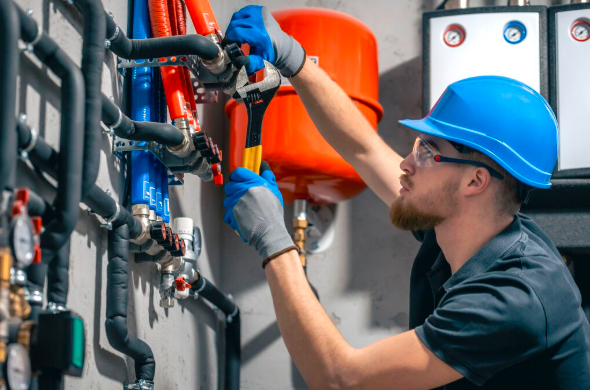
The installation process typically involves connecting water supply lines, attaching discharge piping, installing pressure relief valves, and connecting energy sources according to manufacturer specifications. Gas-powered systems require proper fuel line connections and ventilation arrangements, while electric units require safe electrical connections and circuit protection.
Every connection must be secured properly to prevent leaks and ensure reliable operation. Installers carefully follow manufacturer guidelines to maximize efficiency and maintain warranty compliance.
Attention to detail during installation helps prevent common problems that can arise from loose fittings, incorrect wiring, or inadequate venting.
The Role of Safety Components
Modern water heaters include several important safety features designed to protect both the equipment and the occupants of the property. Proper installation ensures that these components function correctly and provide the intended level of protection.
One of the most important safety devices is the temperature and pressure relief valve. This component helps prevent excessive pressure buildup inside the tank by releasing water if pressure or temperature levels exceed safe limits.
Expansion tanks may also be installed in some plumbing systems to accommodate changes in water pressure caused by thermal expansion. Proper drainage systems, shutoff valves, and venting arrangements further contribute to safe operation.
These safety features should never be overlooked during installation because they play a critical role in protecting the system and preventing accidents.
Ensuring Energy Efficiency Through Proper Installation
Energy efficiency is one of the primary reasons many homeowners invest in modern water heaters. However, achieving maximum efficiency depends not only on the equipment itself but also on the quality of the installation.
Proper insulation of hot water pipes helps reduce heat loss and improves overall system performance. Correct sizing ensures that the unit operates efficiently without excessive cycling or energy consumption. Secure plumbing connections prevent leaks that can waste both water and energy.
For gas systems, proper venting promotes efficient combustion while reducing fuel waste. For electric systems, accurate electrical connections help ensure optimal performance and minimize operational issues.
When installed correctly, a water heater can provide reliable hot water while keeping energy costs under control throughout its lifespan.
Testing and System Verification
After installation is complete, the system must be tested thoroughly to verify proper operation. This process includes filling the tank, checking for leaks, confirming water pressure levels, and ensuring that all safety devices function correctly.
For gas-powered systems, installers verify proper ignition, burner performance, and ventilation operation. Electric units undergo testing to confirm that heating elements and thermostats function as intended.
Water temperature settings are adjusted according to recommended guidelines, and the system is monitored during its initial operating cycle. Thorough testing helps identify and resolve any issues before the installation is considered complete.
This final verification process ensures that the water heater is ready to provide safe and dependable service.
Common Installation Mistakes to Avoid
Although water heater installation may appear straightforward, several common mistakes can affect performance and safety. Improper sizing is one of the most frequent issues. A unit that is too small may struggle to meet demand, while an oversized unit may waste energy unnecessarily.
Poor venting is another common problem, particularly with gas-powered systems. Inadequate ventilation can reduce efficiency and create safety concerns. Incorrect plumbing connections, missing safety devices, and improper electrical wiring can also lead to operational problems and costly repairs.
Professional installation helps avoid these mistakes while ensuring compliance with applicable codes and manufacturer requirements.
Maintaining a Newly Installed Water Heater
Proper maintenance is essential for maximizing the lifespan and efficiency of a newly installed water heater. Regular inspections help identify minor issues before they develop into significant problems.
Periodic flushing of storage tanks helps remove sediment buildup that can affect heating performance and reduce efficiency. Pressure relief valves should be tested regularly to ensure proper operation, and plumbing connections should be inspected for signs of leakage or corrosion.
Water temperature settings should also be monitored to balance comfort, efficiency, and safety. Following recommended maintenance practices helps extend equipment lifespan while maintaining reliable hot water availability.
Long-Term Benefits of Professional Water Heater Installation
Investing in professional installation provides benefits that extend well beyond the initial setup process. Properly installed systems typically operate more efficiently, experience fewer repairs, and deliver more consistent performance throughout their lifespan.
Homeowners often enjoy lower energy costs, improved reliability, enhanced safety, and greater peace of mind knowing that the system has been installed according to industry standards. Additionally, professional installation helps preserve manufacturer warranties and protects the long-term value of the investment.
Because water heaters represent a critical component of household comfort and convenience, ensuring proper installation is one of the most important steps in achieving dependable long-term performance.
Conclusion
A water heater is one of the most essential systems in any home or commercial property, providing the hot water needed for countless daily activities. While selecting a high-quality unit is important, proper installation plays an equally significant role in determining performance, efficiency, safety, and longevity.
From choosing the right system and preparing the installation area to connecting safety components and verifying proper operation, every step of the installation process contributes to the overall success of the project. Professional installation helps ensure that the water heater operates efficiently, complies with safety standards, and delivers reliable hot water for many years.
By understanding the importance of proper water heater installation and investing in expert workmanship, property owners can enjoy greater comfort, lower operating costs, and the confidence that comes from having a safe and dependable hot water system.