How to safely move high-end interior design material libraries and stone samples from NY to a new branch
Key takeaways
- material library relocation should start with inventory, labeling, weight separation, and destination mapping before anything is packed.
- Stone, quartz, tile, glass, metal, and finish samples need different handling from fabric books, binders, catalogues, and lightweight samples.
- A new branch opening needs staged delivery, shelf mapping, and careful placement so designers can use the library immediately after relocation.
- White-glove handling helps protect fragile, heavy, and presentation-critical samples during packing, transport, and final setup.
Why material library moves are different from standard office moves
Moving a high-end interior design material library from New York to a new branch is a specialized logistics project. It is not the same as moving desks, chairs, and standard office boxes. A design library contains working samples that affect client presentations, sourcing decisions, vendor coordination, finish approvals, procurement, and active project timelines.
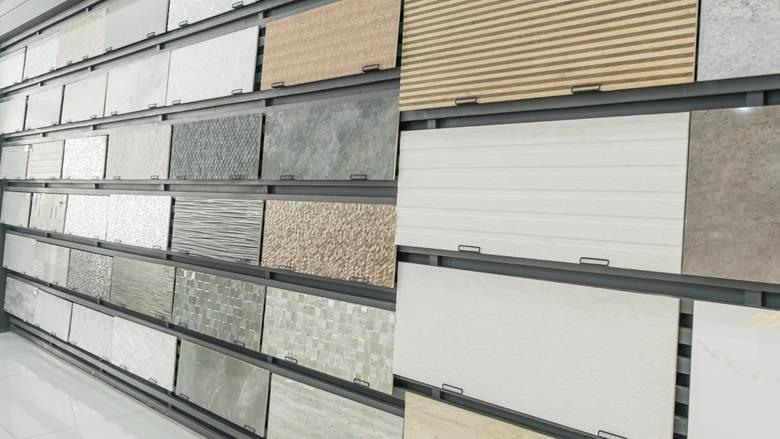
A studio’s material library may include stone samples, quartz samples, tile boards, porcelain samples, wood finishes, metal finishes, hardware pieces, paint decks, fabric books, carpet samples, wallpaper books, leather swatches, product binders, finish boards, and archived project materials. Some items are heavy and easy to chip. Others are light but easy to misfile, wrinkle, stain, or separate from their labels.
Materials Assemble describes its library as a physical and digital space with thousands of material samples used by architects, interior designers, designers, developers, and product teams. That explains why a material library should be treated as an operational asset, not as miscellaneous office storage.
For an interior design firm opening a new branch, the goal is not just to transport the library. The goal is to keep the sample system usable after delivery.
Start with a material library inventory before packing
A material library relocation should begin with a detailed inventory.
The inventory should identify each category of sample, the vendor or manufacturer, the material type, the current shelf location, the destination location, and whether the item belongs to an active project or an archive collection. Active project samples should be separated from general studio samples because a missing finish board, misplaced fabric memo, or damaged stone reference can slow down client work.
Florin Petruta, founder and CEO of Empire Movers and Storage, recommends that design firms treat a material library relocation as an inventory project first and a transportation project second. That means every stone sample, fabric book, finish board, and active project material should have a destination before it is packed.
A strong inventory should include the material category, vendor or brand, product name or SKU when available, project association, current shelf location, destination shelf or department, condition notes, and priority level for delivery.
Photographs can help, especially for sample walls, stone bins, open shelving, custom displays, and finish boards that need to be rebuilt in the new branch. A photo record gives the moving team and design staff a shared reference for how the library should be restored.
Material library relocation checklist
| Material library category | Risk during relocation | Safer moving approach |
| Stone and quartz samples | Heavy, sharp, easy to chip, difficult to reorganize if mixed | Pack in small labeled bins by material type, vendor, and project use |
| Tile and porcelain samples | Corners can chip, and boxes can become heavy quickly | Use divided protection and weight-controlled cartons |
| Fabric books and memos | Can wrinkle, stain, or lose vendor labels | Keep upright, clean, dry, and grouped by vendor or category |
| Finish boards | Approved palettes can be damaged or separated | Wrap flat and label by project, room, or client |
| Catalog binders | Heavy and easy to misfile | Pack by brand, category, and shelf sequence |
| Metal, glass, and hardware samples | Scratches, dents, and small-part loss | Use compartments, padding, and clear labels |
| Active project samples | Delays can affect presentations or procurement | Separate from archive materials and deliver early |
| Sample wall displays | Layout can be hard to recreate | Photograph before removal and label each section |
This checklist should be used before packing starts. Once mixed sample boxes reach the new branch, the receiving team may lose hours rebuilding a system that could have been preserved with better labeling.
Separate heavy stone samples from the lightweight sample books
Stone and quartz samples create one of the biggest risks in a material library move.
They are compact, dense, and often stored in bins that become too heavy if packed without limits. They can damage lighter materials if mixed into the wrong box, and their edges can chip if they shift during transport. Stone and quartz samples are heavy and need sturdy shelves and bins, which is exactly why they require a separate relocation plan.
Stone sample transport should be built around weight control. Instead of packing one large carton with as many samples as possible, the safer approach is to use smaller labeled bins or cartons that can be lifted, carried, stacked, and placed without strain or breakage. Natural stone, quartz, porcelain, solid surface, marble, granite, and tile samples should not be thrown into the same box unless the studio’s filing system already groups them that way.
For a new branch setup, stone samples should also be placed early in the destination space. They are heavy enough to affect shelving choices, floor layout, and how the rest of the library is arranged around them.
Protect active project samples from archive materials
Active project samples should never be buried inside archive boxes.
A design firm may have material libraries that include years of past samples, vendor duplicates, discontinued lines, and project-specific materials. During a branch relocation, those categories should be separated before packing. Active samples support current client presentations, purchase approvals, renderings, mockups, and installation coordination. Archive samples can usually wait.
| Priority group | What it includes | Delivery approach |
| Active project materials | Current finish boards, approved samples, vendor memos, client palettes | Pack separately and deliver first |
| Core studio library | Frequently used samples, vendor binders, and standard finish references | Deliver with shelf mapping |
| Archive or overflow | Older samples, duplicates, inactive vendor materials | Deliver later or place into storage |
This sequence helps the new branch function faster. Designers should not have to open dozens of archive cartons to find a fabric memo or stone sample needed for an active client meeting.
Use shelf mapping before delivery
A material library should arrive with a destination plan.
Shelf mapping means deciding where each category will go before the delivery truck arrives. This can include zones for stone, tile, fabric, wallpaper, hardware, paint, flooring, wood, carpet, lighting, catalog binders, active projects, vendor samples, and archive materials.
For a new branch, shelf mapping helps the receiving team avoid the most common problem: every box arrives safely, but the library becomes unusable because nothing is placed in the right location.
A simple shelf map can include room name, wall or shelving unit, shelf number, category label, vendor group, priority level, and special handling notes.
This is especially useful when the new branch is still being built out. If shelving, sample walls, cabinetry, or display systems are not ready, the moving plan should include staged delivery or temporary holding instead of forcing all materials into an unfinished space.
Pack finish boards and presentation materials flat
Finish boards, presentation boards, mood boards, sample trays, and client-approved palettes need careful packing because they represent decisions already made during the design process.
These items should be photographed, wrapped, labeled, and kept flat when possible. If they include stone, tile, glass, metal, fabric, or hardware pieces, the packing method should protect both the board and the attached samples. Stacking too many finish boards together can create pressure, bending, or surface damage.
Labels should include project name, room, client code if used internally, destination shelf, and priority. That prevents active boards from being treated like generic décor or office materials.
For firms that present physical palettes to clients, damaged finish boards can create more than replacement work. They can interrupt a presentation or force designers to rebuild a material story under a deadline.
Use white-glove handling for fragile and presentation-critical samples
Fragile design assets need more control than standard cartons.
Glass samples, lacquer panels, marble pieces, ceramic tiles, decorative hardware, mirrors, metal finishes, and custom vendor displays can scratch, chip, dent, or separate from their labels if they are packed without a plan. A single damaged sample may seem small, but it can create a problem when it belongs to an approved palette, a client presentation, or a vendor decision.
This is where white-glove delivery for delicate design assets can support the relocation. The value is not only careful carrying. It is the combination of packing, protection, controlled handling, room-of-choice placement, and debris control when the new branch needs to open cleanly.
For stone samples, finish boards, sample walls, and display pieces, white-glove handling helps reduce unnecessary touchpoints between removal, transport, and final placement.
Plan the move around the new branch opening schedule
A new branch move should be planned backward from the opening date.
The material library should not arrive before the destination can receive it properly. If shelves are not installed, bins are not ready, or the sample room is still under construction, the library may be stacked in temporary piles that make reorganization harder later.
A branch relocation plan should answer these questions before pickup:
| Question | Why it matters |
| Is the sample room ready? | Prevents cartons from being staged in the wrong area |
| Are shelves, bins, and cabinets installed? | Heavy samples need stable placement immediately |
| Which samples are needed first? | Active project materials should not be delayed |
| Who will approve final placement? | Avoids rework after delivery |
| Does the branch need staged delivery? | Helps when construction or staffing is not complete |
| Is temporary storage needed? | Protects materials if the new space cannot receive everything |
| Are vendor labels and project codes consistent? | Keeps the library searchable after relocation |
This planning is especially important when a design firm is opening a branch in another city or state. The farther the library travels, the more important the inventory and delivery sequence become.
When storage or staged delivery makes sense
Storage should not be treated as an afterthought during a material library move.
A new branch may need time for shelving, millwork, sample walls, lighting, or receiving areas to be completed. In that case, the moving plan can separate materials into what must arrive immediately and what can wait.
Empire Movers supports staged relocation planning when a firm needs materials held before final delivery. This is useful for sample archives, overflow inventory, seasonal displays, secondary vendor collections, or materials that should not enter the new branch until the receiving area is ready.
For interior design firms that regularly receive furniture, samples, and project materials from multiple vendors, receiving and storage support for interior designers can help coordinate timing before final placement.
How Empire Movers & Storage supports design firm branch relocations
Empire Movers & Storage supports design firms relocating sample libraries, studio assets, stone samples, fabric books, project materials, showroom pieces, and branch inventory from New York to new locations.
Their team can coordinate packing, labeling, protected handling, white-glove delivery, staged delivery, and storage when the new branch is not ready for every item at once. For design firms, this matters because the material library has to remain organized enough for designers to use immediately after relocation.
The company’s moving services for interior design firms are especially relevant when a branch move includes more than boxes. Sample libraries often move alongside office furniture, receiving inventory, client project materials, artwork, showroom displays, installation tools, and delicate vendor pieces.
Empire Movers and Storage approaches these projects as operational relocations. The goal is to protect the materials and help the new branch start functioning without unnecessary sorting, missing samples, or damaged presentation assets.
Common mistakes when moving a material library
| Mistake | Why it creates problems |
| Packing samples without inventory | Makes it hard to confirm what arrived |
| Mixing heavy stone with lightweight samples | Increases damage and lifting risk |
| Ignoring shelf sequence | Creates hours of reorganization at the new branch |
| Burying active project materials | Delays client work after relocation |
| Using oversized cartons for dense samples | Makes boxes unsafe to lift and stack |
| Forgetting vendor labels | Reduces the usefulness of the library |
| Delivering before shelving is ready | Creates clutter and rework |
| Treating sample boards like generic boxes | Can damage approved palettes or presentation materials |
Avoiding these mistakes starts with planning the library as a system, not a pile of samples.
A successful branch move keeps the library usable
A high-end interior design material library carries real operational value. It supports sourcing, presentations, approvals, procurement, and creative decision-making. Moving it safely requires inventory control, weight management, sample protection, shelf mapping, and a delivery plan built around the new branch.
Stone samples, tile boards, fabric books, finish boards, vendor binders, and active project materials should not be packed the same way. Each category needs its own handling plan so the library arrives organized, protected, and ready to work.
For design firms relocating from New York to a new branch, Empire Movers and Storage NYC can help plan the move around the library, the studio team, the project schedule, and the destination setup. Contact Empire Movers and Storage NYC to discuss interior design material library relocation, white-glove handling, staged delivery, and storage support for branch openings.