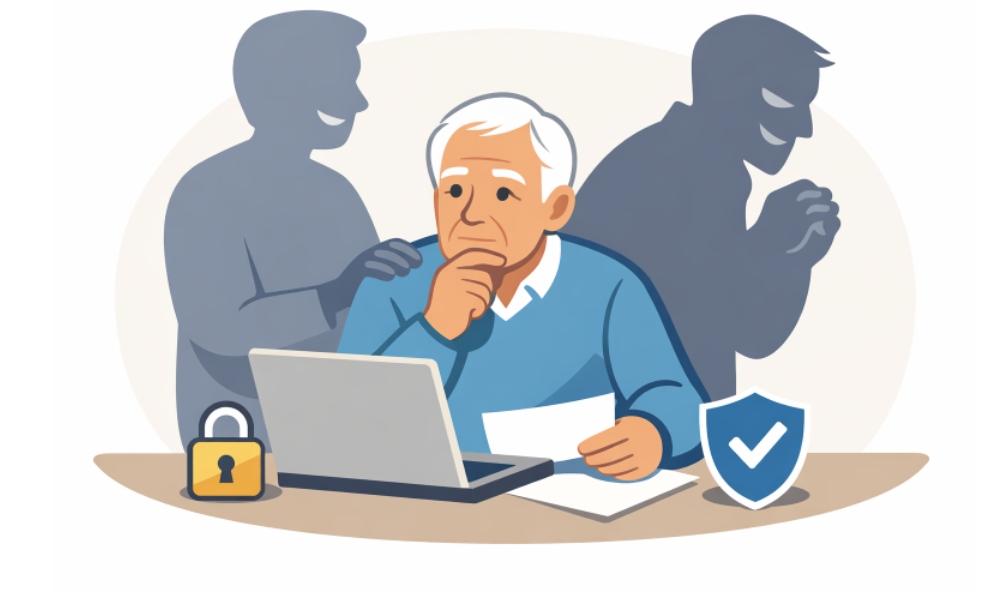
Protecting Seniors from Financial Abuse and Spousal Fraud: Strategies for Safety
Table of Contents
- Understanding the Scope of Elder Financial Abuse
- Common Tactics Used by Perpetrators
- Recognizing the Warning Signs
- Preventive Measures to Protect Seniors
- The Role of Financial Advisors and Institutions
- Legislative Efforts and Community Support
- Conclusion
Financial abuse and spousal fraud pose growing threats to seniors, often resulting in devastating losses and emotional harm that impact families for years. As cases become more sophisticated, understanding how to protect elderly loved ones becomes increasingly important. One cautionary tale is that of Claudette Spinelli Schwartz, a powerful reminder of how quickly financial abuse can escalate and compromise personal security. Staying alert to the signs and learning about prevention can help families avoid similar challenges.
The rising incidence of elder exploitation calls for collective attention and action. Losses among seniors due to fraud are increasing each year, and these crimes rob individuals not only of their finances but also of their sense of trust and independence. Building awareness and cultivating open dialogue are essential steps to making seniors less vulnerable in a rapidly changing world.
Far from being a problem limited to isolated incidents, senior financial abuse has become a widespread issue recognized by law enforcement and financial institutions alike. Protecting the autonomy and dignity of seniors largely depends on equipping families and caregivers with the knowledge, resources, and vigilance needed. Public initiatives and community education programs have begun to address these concerns, emphasizing the need for both individual action and policy reform.
Understanding the Scope of Elder Financial Abuse
Recent studies underscore the staggering prevalence of elder financial exploitation. According to the Federal Bureau of Investigation, seniors aged 60 and older in the United States reported nearly $5 billion in losses to fraud in 2024, with the average victim losing approximately $83,000. These numbers illustrate the urgent need to prioritize prevention and response strategies at every level.
Strangers do not always commit elder financial abuse; tragically, it can be perpetrated by trusted family members, caregivers, or friends, which adds layers of emotional complexity and shame. Victims may feel hesitant to report the issue for fear of retribution or losing their support network, making detection and intervention even more challenging. This reality underscores the importance of strong social connections and oversight in seniors’ lives. Regular check-ins and support for community-driven initiatives can be essential to detecting abuse early and providing much-needed assistance.
Common Tactics Used by Perpetrators
Fraudsters utilize many elaborate schemes to target seniors, frequently adapting their tactics as technology evolves. Among the most prevalent are:
- Imposter Scams: Criminals impersonate trusted entities, such as government officials or technical support agents, to trick victims into divulging personal or financial information.
- Phishing Emails: Carefully crafted fake emails prompt unsuspecting recipients to share sensitive data or click harmful links.
- Deepfake Technology: The use of increasingly realistic audio and video impersonations to deceive, often pretending to be relatives in urgent distress to trigger immediate financial transfers.
What makes these scams especially dangerous is their ability to appear authentic, making it harder than ever for seniors to distinguish genuine from malicious requests.
Telephone and romance scams are also on the rise. Perpetrators may call seniors, posing as grandchildren or law enforcement officers seeking urgent financial help. In romance scams, fraudsters gain trust through online relationships before fabricating emergencies that require money. These techniques leverage the seniors’ goodwill and desire to help loved ones, making the emotional manipulation particularly cruel. Education campaigns now focus on teaching seniors how to verify identities and delay decisions, regardless of the pressure applied during these calls or interactions.
Recognizing the Warning Signs
Spotting the red flags of financial abuse early can prevent severe consequences. Family members and caregivers should be vigilant for unexplained bank account activity, abrupt changes to wills or legal documents, or the senior’s sudden withdrawal from social circles, sometimes at the perpetrator’s urging. Consistent late payments, despite available funds, are another warning sign that someone else may be controlling the senior’s finances against their will.
Isolation is another major risk factor. Abusers often encourage seniors to cut contact with others, increasing secrecy and minimizing the chances of intervention. Seniors who appear increasingly anxious, fearful, or confused about finances, or who show reluctance to discuss financial matters altogether, may be experiencing financial exploitation. Encouraging a supportive environment where seniors feel safe discussing their concerns can break the silence that allows abuse to flourish.
Preventive Measures to Protect Seniors
Proactive steps can make a critical difference in safeguarding seniors from abuse:
- Open Communication: Regular, honest conversations about daily finances and major transactions can build trust and make abnormal activities easier to spot.
- Scam Education: Familiarize seniors with the latest tactics scammers use. Encourage healthy skepticism toward any unsolicited financial requests or offers.
- Financial Monitoring: Review bank statements and credit activity regularly. Set up alerts for large withdrawals or unusual account changes.
- Legal Safeguards: Consider robust legal arrangements, such as durable power of attorney and living trusts, with oversight by trustworthy individuals or professionals.
The Role of Financial Advisors and Institutions
Financial advisors are often among the first to notice suspicious account activity. Many financial institutions are now permitted to pause questionable transactions if abuse is suspected, and can help families by initiating investigations or involving law enforcement where necessary. According to recent guidelines published by the Consumer Financial Protection Bureau, advisors should remain vigilant and proactive, working closely with clients and their families at the first sign of abnormal financial behaviors.
In response to the growing trend of elder financial abuse, several banks have implemented specialized training programs for their staff to recognize warning signs and handle suspected cases with sensitivity. Financial institutions are also collaborating more frequently with law enforcement and social services to create a network of support dedicated to protecting seniors. By fostering these multidisciplinary partnerships, professionals are not only able to prevent loss but also to provide emotional support and guide victims through the complex process of reporting and recovery.
Legislative Efforts and Community Support
Lawmakers are taking steps to strengthen protections for seniors. A bipartisan bill in Congress would allow banks to delay transactions for up to 10 days in suspected cases of elder financial exploitation. This critical pause can prevent irreversible losses and give families or authorities time to respond. Community organizations are also offering new education and outreach programs to empower seniors and their families.
Local governments and advocacy groups are developing workshops, confidential hotlines, and resource centers to prevent elder abuse. These programs provide accessible places for seniors to seek advice and report concerns without fear of stigma. By working together, legislators, advocates, and communities can create a safer, more resilient environment for all seniors, ensuring their rights and resources are protected throughout their later years.
Conclusion
Addressing senior financial abuse requires coordinated action on many fronts: from legal reforms and vigilant professionals to ongoing education and open family communication. By understanding the risks and reinforcing safeguards, families can protect their elderly loved ones, ensuring their financial well-being and personal dignity remain intact.