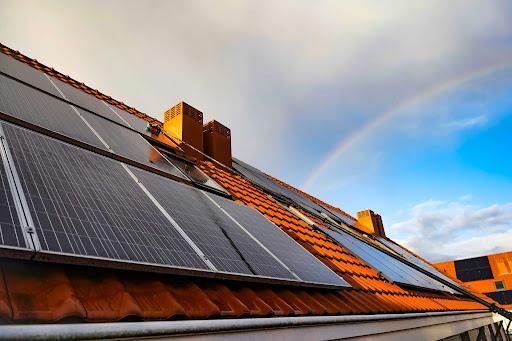
Things to Know Before Investing in a Solar Battery
Interest in home battery storage has surged across Australia as electricity costs climb and solar technology becomes increasingly mainstream. But before you sign off on an installation, there are several factors that deserve careful consideration. The quality and variety of solar batteries available today is genuinely impressive, but choosing the right system for your household requires more than simply picking the biggest or cheapest option. Here is what you should know before making the investment.
Understand Your Actual Energy Needs
Before anything else, review your electricity bills carefully. Look at how much energy your household uses daily, and particularly when it is used. If most of your consumption happens during the day say, for a home office, pool pump, or air conditioning your existing solar panels may already be handling a significant portion of that load. A battery becomes most valuable when evening and overnight consumption is high. Understanding your usage pattern will help you determine the capacity of battery you actually need, rather than over- or under-specifying.
Battery Capacity Is Not the Same as Usable Capacity
Battery storage is typically rated in kilowatt-hours (kWh), but the marketed figure and the usable capacity are not always the same number. Most batteries reserve a portion of their total capacity to protect the chemistry and extend the system’s lifespan this is sometimes called the depth of discharge (DoD). A battery rated at 10 kWh with a 90 per cent DoD delivers 9 kWh of usable energy. Always compare systems based on usable rather than gross capacity.
Check Compatibility With Your Existing Solar System
Not every battery is compatible with every solar inverter. Some systems are AC-coupled, meaning they can be retrofitted to virtually any existing solar setup. Others are DC-coupled, which requires integration with the solar inverter and may only work with specific brands or models. If you already have panels installed, confirm with your installer which battery types will work without requiring an inverter replacement, as that can add substantially to the overall cost.
Look Beyond the Upfront Price
The purchase price is just the starting point. Factor in installation costs, which vary depending on your home’s electrical setup and the complexity of the job. You should also consider ongoing maintenance requirements, software or monitoring subscription fees, and the cost of eventual battery replacement at end-of-life. According to the Clean Energy Council, a full lifecycle cost analysis will give you a more accurate picture of the true return on investment over ten to fifteen years.
Warranty Terms Vary Significantly
Battery warranties are typically expressed in a combination of years and cycle count, or a guaranteed capacity retention figure (for example, eighty per cent of original capacity after ten years). Read the fine print carefully. Some manufacturers will only honour the warranty if the battery is installed by a certified technician, operated within specified temperature ranges, or connected to compatible equipment. A strong warranty from a reputable manufacturer is one of the best indicators of overall product quality.
Understand the Backup Power Configuration
Not all solar battery systems provide backup power during a grid outage and those that do may not cover your whole home. Some systems offer ‘whole home backup’, while others are configured to protect only certain circuits. If power resilience during outages is a priority for you, clarify this with your installer before committing to a system. The hardware required for full backup capability is different from a standard grid-connect setup and will affect the final cost.
Consider the Physical Installation Requirements
Batteries have physical requirements that not every home can easily meet. They need to be installed in a location that is not subject to extreme heat or cold, as temperature significantly affects performance and longevity. Many systems are designed for indoor installation in a garage, utility room, or under a staircase while others are rated for outdoor use. Check the dimensions and weight of the unit early, as some systems are considerably bulkier than others.
Government Incentives Can Significantly Affect the Maths
State government rebates, Virtual Power Plant (VPP) programmes, and federal small-scale technology certificates (STCs) can meaningfully reduce the cost of a battery system. These schemes change over time, so it pays to check what is currently available in your state. The Australian Government’s energy website maintains an up-to-date summary of national and state-level incentives. In some cases, rebates can cover a substantial portion of the total installation cost, dramatically improving payback periods.
Choose an Accredited Installer
Installing a home battery involves significant electrical work and, in many cases, modifications to your switchboard. Always use a Clean Energy Council-accredited installer. Accredited professionals are trained to the current standards, are required to carry appropriate insurance, and are accountable if something goes wrong. As an added benefit, accreditation is often a requirement for accessing government rebate programmes.
Taking the time to understand these fundamentals before you engage with suppliers or installers will put you in a far stronger position to assess quotes, compare products, and ultimately select a system that genuinely meets your household’s needs. A solar battery is a long-term asset getting the decision right from the outset pays dividends for a decade or more.