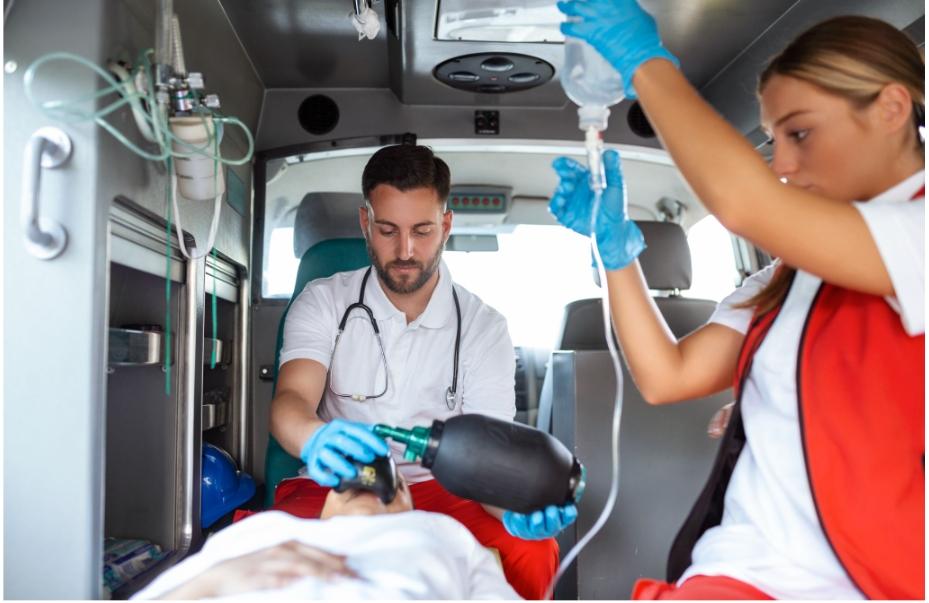
How Emergency Health Care Centres Reduce Pressure on Hospitals
Hospitals deal with a large number of patients every single day. Some arrive with life threatening emergencies, while others need treatment for illnesses or injuries that are urgent, but not severe enough to require a full emergency room.
The problem is that when too many people depend entirely on hospitals for every medical issue, emergency departments quickly become overcrowded, leading patients to struggle to get timely attention. This is one reason emergency health care centers have become increasingly important, as they help handle many medical situations efficiently, which reduces pressure on hospitals. Below are detailed explanations of how they affect these changes.
- Not Every Medical Problem Requires a Hospital Emergency Room
One of the biggest misunderstandings people have is assuming every sudden health issue automatically requires a hospital visit. In reality, many conditions can be treated safely outside a traditional emergency room setting. Issues like minor fractures, flu symptoms, allergic reactions, or sudden fevers often need quick medical attention without necessarily requiring full hospital resources.
Emergency health care centers help bridge that gap by treating urgent but non-life-threatening conditions before they become more serious, which prevents hospitals from becoming overloaded with cases that could be managed elsewhere.
In many communities, people rely on a 24 hour urgent care center when they need immediate medical help outside normal clinic hours, but do not require intensive emergency treatment, and this option has been known to reduce unnecessary emergency room visits while still giving patients access to fast care.
- Faster Treatment Helps Everyone
Overcrowded hospitals affect more than wait times because when emergency departments become too busy, doctors and nurses have less time and fewer resources available for patients facing truly critical conditions.
Emergency health care centers help reduce that pressure by handling a large number of routine urgent cases separately. This allows hospitals to focus more attention on major emergencies such as heart attacks, strokes, severe injuries, surgeries, or intensive care situations.
At the same time, patients with less severe conditions often receive faster treatment because urgent care facilities are designed to move people through evaluations and treatment more efficiently for those types of problems.
- It Improves Community Access to Care
Another important benefit is accessibility, which is particularly important because many people struggle to get quick appointments with primary care doctors, especially during evenings, weekends, or holidays when regular clinics are closed.
Without urgent care options, people often end up going directly to crowded hospital emergency rooms because they do not know where else to go. However, emergency health care centers give communities another option for immediate treatment, which helps distribute patient volume more evenly across the health care system. This becomes especially important during flu seasons, viral outbreaks, or periods when hospitals experience unusually high patient demand.
- Lower Costs Can Also Reduce System Strain
Hospital emergency room visits are usually far more expensive than urgent care treatment for conditions that are not life threatening. For instance, when patients use emergency departments for relatively minor medical problems, it increases overall healthcare costs for both individuals and healthcare systems.
This is why urgent care facilities often provide more affordable treatment options for conditions that do not require hospital level intervention. Aside from that, reducing unnecessary hospital visits helps conserve resources, lower healthcare spending, and improve efficiency across medical systems. This financial difference also encourages many patients to seek treatment earlier rather than delay care until problems become more severe.
- Allows Medical Staff to Work More Efficiently
Hospital burnout has become a major issue in healthcare, especially in overcrowded emergency departments where doctors and nurses constantly handle overwhelming patient volumes.
When urgent care centers help reduce non critical cases inside hospitals, medical teams can focus more effectively on patients requiring advanced emergency treatment. This improves workflow, reduces unnecessary stress on emergency staff, and helps hospitals operate more safely during high demand periods.
Healthcare systems function better when responsibilities are divided appropriately among hospitals, urgent care centers, and primary care providers, rather than forcing a single system to handle every situation.
Endnote
As healthcare demands continue to grow, these emergency healthcare centers have become an important part of keeping medical systems functioning for both patients and healthcare professionals.