How Independent Living Communities Support an Active Senior Life
An active later life depends on far more than a private apartment and a secure address. Physical stamina, emotional steadiness, social contact, and predictable routines all shape daily function. Independent living communities can protect those basics by reducing chores that drain energy and narrowing gaps between residents and needed services. With fewer household demands and easier access to mobility, meals, and companionship, older adults often have more capacity to build habits that support strength, balance, mood, and purpose.
Easier Access to Movement
Regular exercise is more likely when it fits naturally into the day. For families weighing transit, walkability, and proximity to classes, independent living in St. Louis can be part of the search, as convenient access often determines whether good intentions become a lasting routine. Nearby fitness rooms, indoor corridors, and safe paths reduce friction. That simple arrangement can support better joint mobility, a steadier gait, and more consistent cardiovascular activity through changing weather conditions.
Daily Routines Stay Strong
Health habits often weaken when errands, cleanup, and meal preparation consume too much effort. Independent living can ease that strain through housekeeping, dining, and scheduled rides. Once daily logistics become lighter, older adults may find it easier to protect time for walking, stretching, hydration, and follow-up visits. Predictable structure supports circadian rhythm, appetite control, and emotional regulation. Those ordinary patterns often keep energy steadier than a schedule filled with interruptions and fatigue.
Social Contact Fuels Energy
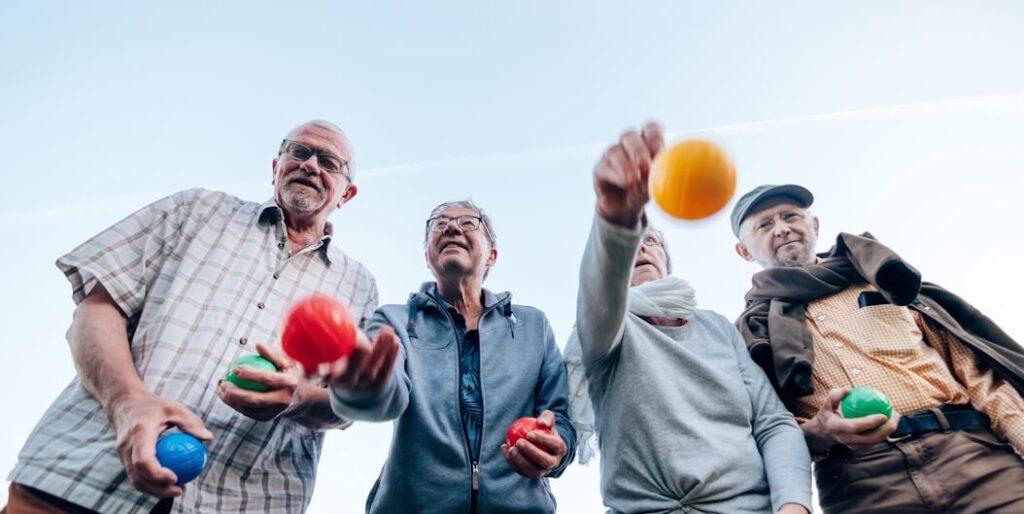
Isolation can reduce activity just as surely as pain or poor sleep. Shared meals, interest groups, and planned outings create regular contact without forcing interaction. Many older adults move more when companionship gives each day shape and a reason to leave home. Social engagement also supports emotional health, which can influence motivation, appetite, and willingness to stay involved. A familiar community rhythm often helps residents remain active without feeling pressured or overscheduled.
Transportation Expands Options
Driving may become tiring long before a person feels ready to stop. Community transportation can preserve access to appointments, shopping, worship, cultural events, and favorite restaurants without the strain of traffic or parking. That support helps older adults keep ties with the places that matter to them. It also reduces missed visits caused by weather or fatigue. When travel feels manageable, participation outside the residence usually becomes easier to sustain.
Wellness Services Build Confidence
Confidence affects whether someone joins a class, uses exercise equipment, or tries a new activity after illness or injury. On-site wellness support can reduce hesitation by putting guidance within reach. Access to health-focused programming, therapeutic amenities, and supervised fitness encourages safe participation without making daily life feel clinical. That balance matters. Older adults often stay more engaged when support feels practical, respectful, and woven into ordinary routines rather than centered on limitations.
Small Wins Add Up
Meaningful progress in later life usually comes from repetition, not dramatic change. A short walk after breakfast, gentle balance work, or one extra flight of stairs can improve endurance over time. Independent living communities make those small actions easier to repeat because the setting removes many common obstacles. Gradual gains in strength, mobility, and confidence can help residents keep control over personal routines while staying connected with family, neighbors, and valued interests.
Learning Keeps the Mind Active
A full life includes mental challenge as well as physical motion. Lectures, reading groups, music programs, and creative workshops give residents reasons to stay curious and socially involved. Cognitive stimulation may support attention, recall, and emotional well-being, especially when activities invite discussion and reflection. Many older adults feel more energized when each week includes something worth anticipating. Fresh ideas, shared conversation, and skill practice can strengthen purpose in ways that exercise alone cannot provide.
Dining Can Support Better Habits
Nutrition influences muscle preservation, bone health, energy production, and recovery after illness. Independent living communities with reliable dining can help residents maintain regular meals without the burden of shopping, cooking, or cleaning. That convenience becomes important when appetite is inconsistent or meal preparation feels tiring. Shared dining areas also support routine and conversation, which may improve intake. Better nourishment, paired with movement and social contact, often forms the base of a sustainable active life.
Home Maintenance No Longer Drains Time
Household labor can quietly consume strength that might otherwise go to exercise, volunteering, or time with friends. Yard work, repairs, and heavy cleaning also increase fall risk, especially when they involve ladders, clutter, or awkward lifting. Independent living removes much of that physical burden. The result is usually more usable energy, not inactivity. Time that once went to chores can shift into movement, community involvement, rest, and routines that support better overall function.
Conclusion
Independent living communities can support active aging by reducing barriers around movement, meals, transportation, social contact, and daily structure. Older adults maintain personal choice while gaining practical help that conserves energy for more meaningful activities. That balance can improve consistency, which matters for mobility, mood, and general health. When chores become lighter and supportive resources sit close by, residents can stay engaged, physically capable, and connected to the people around them.