Is Red Light Therapy Safe? A Clear-Eyed Look at the Wellness Tool Everyone’s Talking About
If you spend any time around New York’s wellness scene, you’ve seen the glow. Recovery studios in Tribeca, boutique spas on the Upper East Side, infrared lounges in Brooklyn, and a growing number of ordinary apartments now hum with that distinctive deep-red light. Red light therapy has gone from biohacker curiosity to mainstream fixture in just a few years. It shows up in athlete recovery routines, dermatologist offices, and the morning rituals of people who have never thought of themselves as wellness obsessives. And naturally, the first question thoughtful people ask isn’t “does it work?” but “is it actually safe to use?”
It’s the right question to ask, and it deserves a real answer rather than a marketing one. So, let’s work through it properly.
What Makes Red Light Therapy a Genuinely Low-Risk Treatment
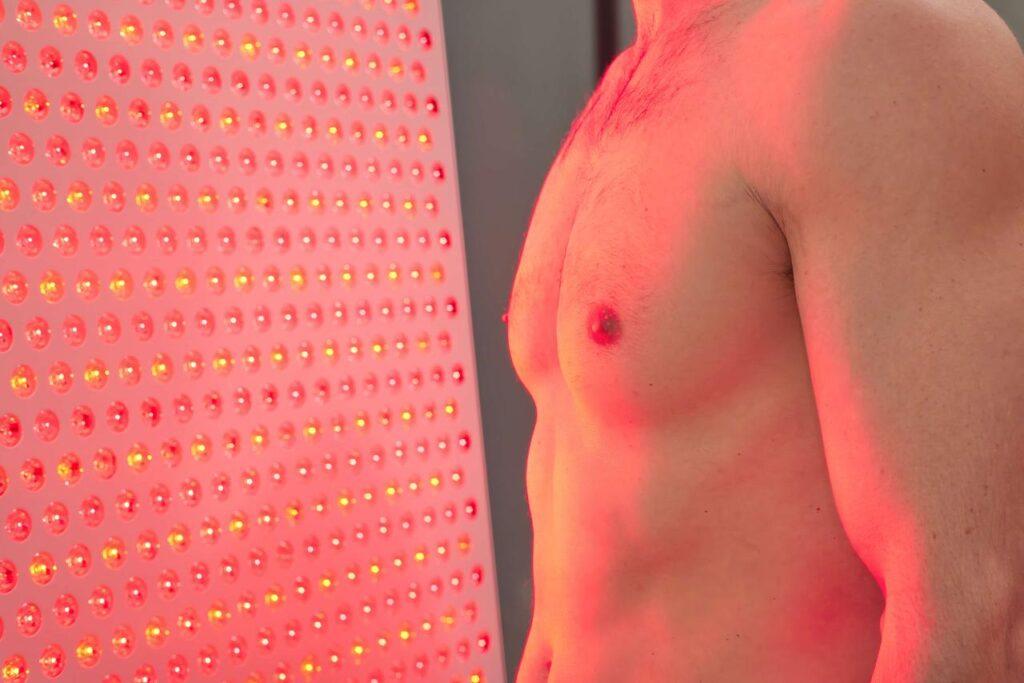
Red light therapy, also called photo biomodulation, works by delivering specific wavelengths of red and near-infrared light to your skin and the tissue beneath it. There’s no UV radiation, no heat damage, and no ionizing energy of the kind that raises legitimate safety concerns with tanning beds or X-rays. The light simply encourages your cells, specifically the mitochondria, to function more efficiently. That’s the entire mechanism, and it’s why decades of research have consistently described it as non-invasive and well tolerated. Of course, the safety of any session depends heavily on the quality of the device you’re standing in front of, which is why a properly engineered, independently verified panel matters. Reputable brands make this easy to check. Manufacturers like Rouge red light therapy devices are third-party tested and registered with the FDA, meaning their safety and output claims have been examined by parties with no stake in the sale. When you’re choosing a device, that paper trail is the single most useful thing to look for, because the gap between a well-built panel and a cheap import is exactly where safety questions actually live.
The most common side effects reported in clinical studies are mild and temporary: slight redness, a warm sensation, occasional tightness of the skin, or eye strain if you skip the goggles. These typically fade within hours and rarely cause anyone to stop treatment. Compare that to the side effect profile of many pharmaceutical or invasive interventions and the contrast is stark. For the overwhelming majority of healthy adults, red light therapy sits firmly in the “low-risk” category, which is a large part of why it has spread so quickly. It asks very little of your body while it works.
It’s also worth noting what red-light therapy is not. It is not a tanning treatment, and it will not give you a base tan or protect you from the sun. It does not burn the skin when used as directed. And it is not a heat treatment in the way a sauna is, although near-infrared wavelengths can produce a gentle sensation of warmth. Understanding what the technology actually does makes it much easier to use sensibly.
Where Caution Genuinely Belongs
No treatment is universally appropriate, and honesty matters more than hype. A few groups should check with a doctor before starting. People taking photosensitizing medications, such as certain antibiotics, retinoids, diuretics, or drugs used in some cancer treatments, may have skin that reacts more strongly to light than it normally would. Anyone with a history of light-triggered conditions like lupus or certain epilepsy presentations should also seek guidance first. And while red light is not the same as UV, people with a personal history of skin cancer should loop in a dermatologist before adding any new light-based routine, simply as a sensible precaution.
Pregnancy is another reasonable point to pause on. There’s no strong evidence of harm, but research in pregnant women is limited, so a quick conversation with a healthcare provider is the responsible move. The same goes for anyone managing a serious chronic condition or recovering from a recent surgery, where a doctor’s input is always worth having.
Eye protection deserves a specific mention. The visible red light is bright, and prolonged direct staring into a high-output panel isn’t comfortable or advisable. Most quality devices ship with goggles, and using them is a simple habit worth keeping, especially for facial treatments where the panel sits close to your eyes.
How to Use It Safely at Home
The good news is that home use, done sensibly, is straightforward. Start with shorter sessions, often around five to ten minutes, and see how your skin responds before building up. Follow the distance and timing guidance the manufacturer provides, since these recommendations are based on the device’s actual measured irradiance rather than guesswork. More is not better; cells respond to an optimal dose, not a maximal one, and overexposure simply wastes time without adding benefit. Many newcomers assume doubling the session length will double the results, when in reality the body has already absorbed what it can.
Consistency tends to matter more than intensity. A few short sessions a week, kept up over months, generally produce better outcomes than occasional marathon sessions. Keep the panel and its cabling away from water, give the unit room to ventilate, and clean the surface as directed. Store it somewhere dry and stable. None of this is complicated, but it’s the kind of routine care that keeps a good device working safely for years.
The Bottom Line
Red light therapy is, for most people, one of the lower-risk wellness tools available: non-invasive, drug-free, and backed by a substantial body of research. The real variables are the quality of the device you choose and whether you use it as intended. Pick a panel with genuine third-party testing and regulatory registration, follow the instructions, wear the goggles, and check with a professional if you fall into one of the cautionary groups. Do that, and the glow you see around the city is one you can reasonably and confidently bring home.
This article is for general information and isn’t a substitute for personalized medical advice.