How GPS Tracking Plays a Key Role in Preventing Equipment Theft
Equipment theft is a costly problem for construction companies, contractors, landscapers, utility providers, rental businesses, and other organizations that rely on valuable tools, machines, trailers, and vehicles. Heavy equipment is expensive to replace, difficult to recover, and often essential to daily operations. When a skid steer, generator, compressor, trailer, excavator, or service vehicle disappears, the loss is not limited to the value of the asset. Theft can also cause project delays, missed deadlines, rental replacement costs, insurance complications, and lost productivity. That is why many businesses are turning to GPS tracking to prevent equipment theft and protect their assets more effectively. GPS tracking gives companies real-time visibility into where their equipment is located, when it moves, and whether it is being used outside approved areas or hours. Instead of relying only on locks, fences, cameras, or manual check-ins, businesses can use GPS tracking as an active layer of protection that helps deter theft, detect suspicious activity, and improve recovery.
Why Equipment Theft Is So Difficult to Prevent
Equipment theft is challenging because many job sites, storage yards, and work areas are temporary, open, or difficult to monitor around the clock. Unlike a fixed building with controlled access, equipment may be spread across multiple locations, moved between projects, or stored in places with limited security. Thieves often target equipment because it can be valuable, mobile, and easier to resell than many other assets. Some machines may also lack standardized registration or easy identification, making recovery harder once they are stolen. Businesses often face risks such as: Unsecured job sites after hours, equipment stored in remote locations, unauthorized use by employees or subcontractors, trailers or machines moved without permission, delayed discovery of theft, poor asset visibility across multiple sites, limited proof of asset location, and a lack of real-time alerts. Without GPS tracking, a company may not realize equipment is missing until the next morning, the next shift, or even several days later. By then, the asset may be far from the job site. GPS tracking helps reduce that response gap.
How GPS Tracking Helps Protect Equipment
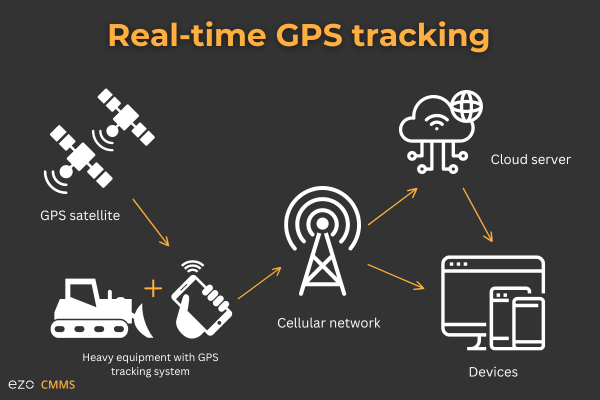
GPS tracking uses location-based technology to monitor the position of vehicles, machines, trailers, and other high-value assets. A GPS device can be installed on or hidden inside equipment, allowing managers to view its location through a software dashboard or mobile app. Depending on the system, GPS tracking may provide real-time location updates, movement alerts, route history, geofencing, battery status, utilization reports, and recovery support. The main value is visibility. Fleet managers, owners, and operations teams can see where equipment is located instead of relying on assumptions or manual records. This visibility makes it easier to confirm whether equipment is where it should be, identify suspicious movement, and respond quickly when something looks wrong.
Real-Time Location Visibility Reduces Risk
One of the most important benefits of GPS tracking is real-time asset visibility. If a piece of equipment is moved without authorization, managers can see its current location and take action. This is especially useful for businesses that manage assets across multiple job sites, storage yards, or service areas. For example, a contractor may have several trailers parked at different projects. Without GPS tracking, the team may need to call employees, visit sites, or check paperwork to confirm where each trailer is located. With GPS tracking, the location can be verified quickly from a dashboard. Real-time visibility helps businesses: Confirm equipment location, identify unauthorized movement, reduce time spent searching for assets, support faster theft response, improve coordination between teams, and maintain better control over equipment inventory. When managers know where their assets are, they can respond more confidently and reduce the chances of a stolen item disappearing without a trace.
Geofencing Creates a Virtual Security Boundary
Geofencing is one of the most useful features of GPS tracking to prevent equipment theft. A geofence is a virtual boundary created around a specific location, such as a job site, warehouse, storage yard, customer property, or service region. When equipment enters or leaves that area, the system can send an alert. This is valuable because theft often happens when equipment is moved outside approved zones. Instead of waiting for someone to notice the equipment is gone, geofence alerts can notify managers right away. Common geofence uses include: Setting boundaries around job sites, monitoring equipment stored in yards, tracking when assets arrive or leave customer locations, detecting after-hours movement, identifying unauthorized transfers, and confirming equipment remains within approved areas. Geofencing adds an extra layer of control because it turns location data into immediate action. If a machine leaves a site at midnight when no transfer was scheduled, the business can investigate quickly.
After-Hours Movement Alerts Help Detect Theft Early
Many equipment thefts happen outside normal business hours, especially at night, on weekends, or during holidays when job sites are less active. GPS tracking can help by sending alerts when equipment moves during restricted times. These alerts are especially useful for assets that should remain stationary after the workday ends. For instance, a generator or trailer may be expected to stay at a job site overnight. If it starts moving after hours, the GPS can notify the owner or manager. Early detection is critical. The sooner a business knows that equipment is moving without permission, the better the chance of recovery. After-hours alerts can help companies: Respond faster to possible theft, reduce the delay between theft and discovery, notify law enforcement with location details, verify whether movement was authorized, and prevent small issues from becoming major losses.
GPS Tracking Supports Faster Recovery
Preventing theft is the goal, but recovery matters when theft does occur. GPS tracking can significantly improve the chances of locating stolen equipment. If an asset is equipped with a tracker, managers may be able to provide law enforcement with current or recent location data. This can make recovery faster and more targeted. Instead of filing a theft report with only a general description and last known location, the business can provide specific movement history and location updates. GPS tracking can support recovery by showing: Current location, last known location, travel route, timestamps of movement, stops along the way, and whether the asset is still moving. This information may help authorities locate stolen equipment before it is dismantled, resold, or moved out of the area.
Hidden Trackers Can Improve Asset Security
For equipment theft prevention, tracker placement matters. Many companies use hidden GPS devices, so thieves are less likely to find and remove them. Depending on the asset, trackers can be installed in compartments, under panels, inside trailers, or in other concealed locations. Some devices are battery-powered, while others connect to the equipment’s power source. Hidden trackers are useful because they allow the business to continue receiving location data even after the asset is stolen. If a thief does not know the tracker is present, recovery may be more likely. Businesses should choose devices based on the type of equipment, expected usage, battery needs, and environment. Heavy equipment, trailers, containers, generators, and small machines may each require different tracking solutions.
GPS Tracking Helps Manage Unauthorized Use
Not every equipment loss involves an outside thief. Unauthorized use can also create risk. Employees, subcontractors, or third parties may move or use equipment without approval. Even if the asset is eventually returned, unauthorized use can lead to fuel costs, wear and tear, damage, liability issues, and scheduling problems. GPS tracking helps managers identify when equipment is being used outside approved times, routes, or locations. This can discourage misuse and create a clear record of activity. Unauthorized use monitoring can help businesses: Protect assets from misuse, reduce liability exposure, confirm who used equipment and when, identify unexpected movement, discourage after-hours operation, and improve accountability. When everyone knows equipment activity is monitored, policies are easier to enforce.
Better Inventory Control Reduces Loss
Poor inventory visibility can make theft easier to miss. If a business does not have a clear record of where equipment should be, it may take longer to detect missing assets. GPS tracking helps companies maintain a more accurate equipment inventory. Managers can quickly verify asset locations, see which equipment is active, and identify items that have not moved in a while. This improves planning and security. For companies with multiple crews or job sites, GPS tracking can reduce confusion about where assets are assigned. Better inventory control helps with: Equipment allocation, job site planning, asset utilization, theft detection, maintenance scheduling, and rental or billing accuracy. When assets are easier to track, they are harder to lose.
GPS Tracking Can Lower Operational Disruptions
Theft can interrupt projects and create expensive delays. If a machine is stolen, crews may be unable to complete scheduled work. The company may need to rent replacement equipment, adjust timelines, notify customers, or reassign staff. GPS tracking helps reduce these disruptions by improving prevention and response. Even when theft occurs, faster detection and recovery can limit downtime. Businesses that use GPS tracking can also make better decisions about equipment placement and security practices. For example, if certain sites have frequent unauthorized movement alerts, managers may add lighting, fencing, cameras, or additional controls.
How to Use GPS Tracking Effectively
To get the most value from GPS tracking, companies should combine technology with clear policies and consistent monitoring. A tracking system is most effective when teams know how to use it and respond to alerts. Best practices include: Install trackers on high-value and high-risk assets, use hidden tracker placement when appropriate, set geofences around job sites and yards, create after-hours movement alerts, review location history regularly, keep an updated asset inventory, train managers on alert response, document authorized equipment transfers, share equipment use policies with employees, and work with law enforcement when theft occurs. GPS tracking should be part of a broader security plan that may also include locks, lighting, cameras, access control, signage, and employee training.
The Bottom Line
Equipment theft can be expensive, disruptive, and difficult to recover from. GPS tracking gives businesses a practical way to protect valuable assets by improving visibility, accountability, and response time. With real-time location data, geofencing, after-hours alerts, movement history, and recovery support, companies can take a more proactive approach to equipment security. Using GPS tracking to prevent equipment theft helps businesses reduce risk, recover stolen assets faster, and keep projects moving. For any company that depends on vehicles, trailers, tools, machines, or heavy equipment, GPS tracking is a smart investment in asset protection and operational control.
FAQ
How does GPS tracking help prevent equipment theft?
GPS tracking helps prevent theft by monitoring equipment location, detecting unauthorized movement, sending alerts, and helping managers respond quickly when assets leave approved areas.
What is geofencing?
Geofencing is a virtual boundary around a location. If equipment enters or leaves that area, the GPS can send an alert.
Can GPS tracking help recover stolen equipment?
Yes. GPS tracking can provide current or recent location data, route history, and movement details that may help law enforcement recover stolen equipment.
What types of equipment can be tracked?
Businesses can track heavy machinery, trailers, generators, compressors, service vehicles, containers, tools, and other valuable assets.
Do GPS trackers work after hours?
Yes. Many GPS tracking systems can send after-hours movement alerts when equipment moves during restricted times.
Should GPS trackers be hidden?
Hidden trackers can improve security because thieves are less likely to find and remove them. The best placement depends on the equipment type and tracker design.
Is GPS tracking useful for small businesses?
Yes. Small businesses often have fewer backup assets, so theft can be especially disruptive. GPS tracking can help protect equipment and reduce downtime.
Can GPS tracking stop all theft?
No system can stop every theft, but GPS tracking can reduce risk, improve detection, and increase the chances of recovering stolen equipment.
Read Also: The Techno Tricks: Complete Guide to Social Media Growth, APK and Tech Tips