Is It Illegal to Cross an Intersection on a Yellow Light?
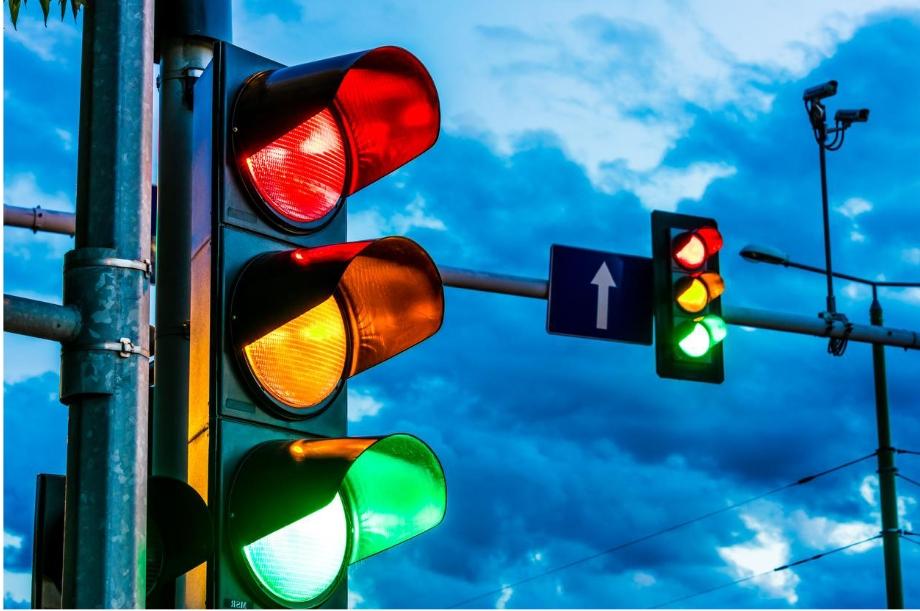
Most of the time, it is not illegal to cross an intersection on a yellow light. In many states, drivers are allowed to enter the intersection while the light is yellow as long as they do it safely. The real issue begins when the light turns red before the vehicle crosses the stop line. That is when a driver may end up with a traffic violation or a costly fine.
Yellow lights put drivers in an awkward spot. You have only a second or two to decide whether to stop or keep moving. Some people brake too hard. Others hit the gas and hope they make it through. Either choice can lead to accidents if the timing is off or traffic is heavy.
So, can you get a ticket for running a yellow light? In some situations, yes. It usually comes down to whether your vehicle entered the intersection before the light turned red. Police officers and red-light cameras typically watch the stop line closely, and that tiny moment can make all the difference.
When a Yellow Light Becomes a Traffic Violation
A yellow light does not automatically mean “stop.” In most states, the law allows you to enter an intersection while the light is yellow if you cannot stop safely.
For example, California Vehicle Code § 21452 states that a steady yellow signal warns drivers that the red light is coming. Drivers should stop “if they can do so safely.” The law does not ban entering on yellow.
Texas law works in a similar way. Under Texas Transportation Code § 544.007(d), a driver facing a yellow light is warned that the red signal is about to appear. The rule focuses on caution, not automatic punishment.
The key detail is timing. If your front tires cross the stop line while the light is still yellow, you usually have not broken the law.
Can You Get a Ticket for a Yellow Light?
Yes, but usually for what happens after the yellow light, not because of the yellow light itself.
You may get a ticket if:
- You enter the intersection after the light turns red.
- You speed up aggressively to beat the light.
- You cause a crash or near-collision.
- An officer believes you drove recklessly.
Red-light camera systems also play a role. According to the Insurance Institute for Highway Safety (IIHS), around 338 people died in red-light-running crashes in the U.S. in 2022. Many cities use cameras because of those numbers.
Most camera systems track:
- When the light turned red.
- When your vehicle crossed the stop line.
- How long the light had been red.
That split second matters more than drivers realize.
States Handle Yellow Lights Differently
Traffic laws vary by state and sometimes by city.
Here are a few examples:
- Florida: Under Florida Statutes § 316.075, drivers may proceed cautiously through a yellow signal.
- New York: Vehicle and Traffic Law § 1111 explains that yellow lights warn traffic that the signal will soon turn red.
- Illinois: 625 ILCS 5/11-306 uses similar language and focuses on warning drivers of the upcoming red signal.
None of these laws say crossing on yellow is automatically illegal.
How to Avoid a Ticket at an Intersection
You cannot control the timing of every traffic light, but you can lower your risk.
A few habits help:
- Slow down when approaching stale green lights.
- Leave extra space in rain or heavy traffic.
- Avoid speeding through intersections.
- Watch crosswalk countdown timers where available.
- Do not assume you can “make it”.
The Federal Highway Administration reported in 2023 that safer signal timing and longer yellow intervals can reduce intersection crashes. Some cities have adjusted yellow-light timing after complaints about unfair tickets.
If you receive a citation, check the timestamp, photos, and local traffic laws carefully. In many cases, the exact moment your vehicle crossed the line decides the outcome.
Key Takeaways
- A yellow light does not automatically mean you broke the law. In most cases, you can legally continue through the intersection if you entered before the light turned red.
- The real issue is where your car was when the signal changed. If you crossed the stop line after the red light appeared, you could end up with a ticket.
- Red-light cameras usually track the exact moment your vehicle enters the intersection. Even a second can make a difference.
- State traffic laws are not identical. California, Texas, Florida, and New York all describe yellow lights a little differently in their vehicle codes.
- Trying to “beat the light” by speeding up can still get you cited for reckless or unsafe driving.
- Intersections become more dangerous when drivers hesitate, brake suddenly, or rush through late yellow lights.