Brown vs. Traditional Colors: Elevating Home Theater Seating Trends
The home theater has evolved far beyond a darkened room with a screen and a few chairs. Today, it represents a carefully curated experience where every design element contributes to immersion, comfort, and personal expression. At the center of this evolution sits a surprisingly influential decision: seating color.
As we move into 2025, a compelling debate has emerged among interior designers and homeowners alike—should home theater seating embrace the rising wave of brown tones, or remain anchored in traditional colors like black, grey, and charcoal? This isn’t merely an aesthetic question. Color choice fundamentally shapes the ambiance of a theater space, influencing how viewers feel before the lights dim and long after the credits roll.
For interior designers seeking to deliver spaces that resonate with clients on both emotional and visual levels, understanding where seating color trends are heading is essential. The right choice can transform a home theater from functional to extraordinary, elevating client satisfaction and setting a designer’s portfolio apart in an increasingly competitive market.
The Rise of Brown Theater Seating for Home
For decades, home theater design defaulted to darker, more conventional palettes—an understandable instinct given the cinema-inspired origins of these spaces. But as homeowners increasingly demand rooms that feel lived-in rather than purely utilitarian, brown theater seating for home has surged in popularity.
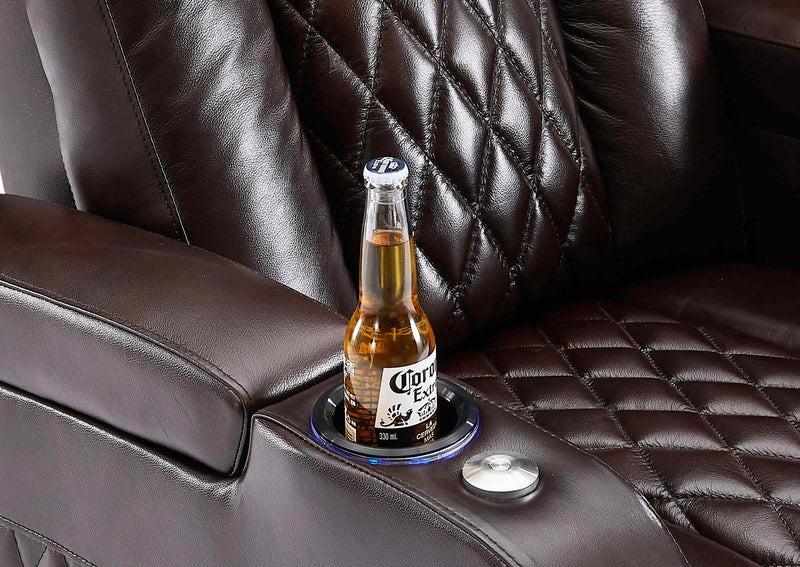
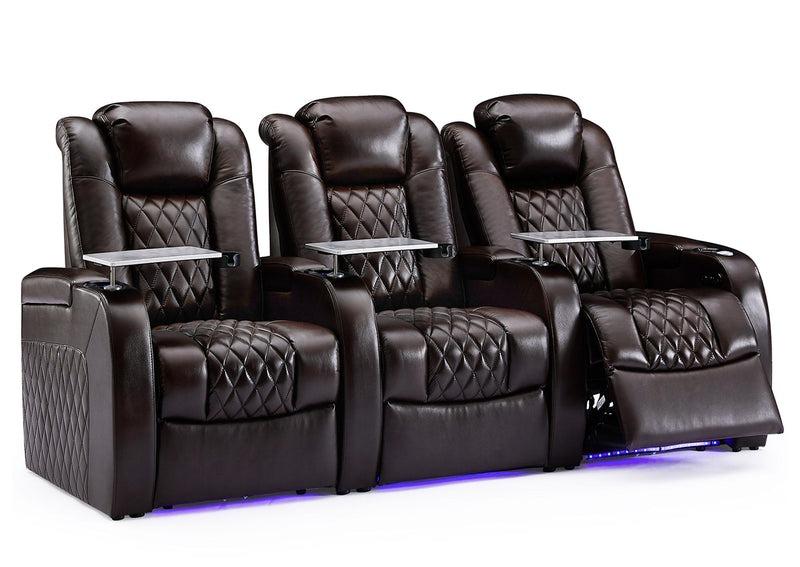
The appeal is multifaceted. Brown carries an inherent warmth that darker neutrals simply cannot replicate, creating an inviting atmosphere that encourages guests to settle in rather than merely sit down. Its versatility is equally compelling: a rich espresso leather works seamlessly in a contemporary space, while a soft caramel fabric feels perfectly at home in transitional or rustic settings.
Interior designers are finding that brown bridges the gap between formality and relaxation, offering a sophistication that doesn’t feel sterile. From a practical standpoint, brown tones are remarkably forgiving—they mask wear patterns and minor stains far more gracefully than lighter alternatives, which matters in a space designed for popcorn, drinks, and extended lounging.
Seating color trends in 2025 reflect a broader cultural shift toward organic, grounded aesthetics, and brown sits squarely at the intersection of that movement. It pairs effortlessly with wood paneling, stone accents, warm metallics, and even bold accent walls, giving designers a flexible foundation to build upon. Perhaps most importantly, brown doesn’t compete with the screen—it complements it, ensuring the visual focal point remains exactly where it should be while the surrounding environment feels cohesive and intentional.
Why Brown? Psychological and Aesthetic Benefits
Color psychology offers a clear explanation for brown’s growing dominance in home theater spaces. Brown is associated with stability, security, and earthiness—qualities that prime viewers for relaxation and immersion. Unlike black, which can feel imposing or clinical in large quantities, or grey, which sometimes reads as cold, brown envelops a room in a sense of comfort that feels both sophisticated and natural.
It evokes the textures of leather-bound books, aged wood, and artisan craftsmanship, lending a theater room an almost tactile richness before anyone touches the upholstery. Aesthetically, brown introduces depth and dimension that flat darker tones struggle to achieve, especially under the ambient lighting conditions typical of home theaters. This combination of psychological warmth and visual complexity makes brown an ideal foundation for spaces where the goal is sustained comfort over hours of viewing.
Traditional Colors in Home Theater Seating: A Legacy Overview
Black, grey, charcoal, and beige have dominated home theater seating for good reason. These colors emerged from commercial cinema tradition, where dark tones minimized visual distraction and created a cave-like immersion that audiences associated with the moviegoing experience.
For years, homeowners and designers replicated this formula almost reflexively—black leather recliners became synonymous with the home theater itself. The neutrality of these traditional colors offered undeniable advantages in home theater decor: they paired with virtually any wall color, flooring, or acoustic panel without creating visual conflict.
Grey, in particular, became a go-to for designers who wanted something softer than black but equally unobtrusive. Beige occasionally appeared in lighter, more casual setups, though it carried the risk of showing every spill and scuff. The perceived safety of these classic palettes made them an easy recommendation, especially when working with clients who prioritized function over design ambition. However, this very safety has become a limitation. As home theaters have migrated from dedicated basement rooms into open-concept living areas, media rooms, and multipurpose spaces, the demand for seating that contributes personality—not just neutrality—has grown significantly.
Traditional colors, while timeless, can render a space forgettable. A row of black recliners in a beautifully designed room risks looking like an afterthought rather than an intentional design statement. Grey, despite its flexibility, often flattens a room’s visual energy under low lighting conditions, which is precisely when home theaters are in use. The result is a growing recognition among designers that while traditional hues remain viable, they no longer represent the default answer for clients who want their theater spaces to feel distinctive and emotionally engaging.
The Strengths and Limitations of Classic Hues
Traditional colors endure because they deliver consistency. Black hides wear exceptionally well, grey adapts to both cool and warm design schemes, and both photograph cleanly for real estate listings—a consideration that matters to many homeowners. These hues also carry a sense of formality that some clients specifically request, particularly in dedicated theater rooms designed to replicate a cinematic atmosphere.
Yet their limitations become apparent when designers aim for warmth or individuality. Dark neutrals absorb ambient light rather than reflecting it, which can make smaller rooms feel constricting. They also offer minimal textural interest on their own, requiring designers to compensate with surrounding materials and accessories to prevent the space from feeling one-dimensional.
2025 Home Theater Styles: Integrating Brown and Beyond
The home theater landscape in 2025 is defined by a willingness to break from convention, and seating color sits at the forefront of that shift. Designers are no longer treating theater rooms as isolated pods disconnected from the rest of a home’s design language. Instead, 2025 home theater styles reflect a seamless integration with broader interior trends, where seating serves as both a functional centerpiece and a deliberate aesthetic statement.
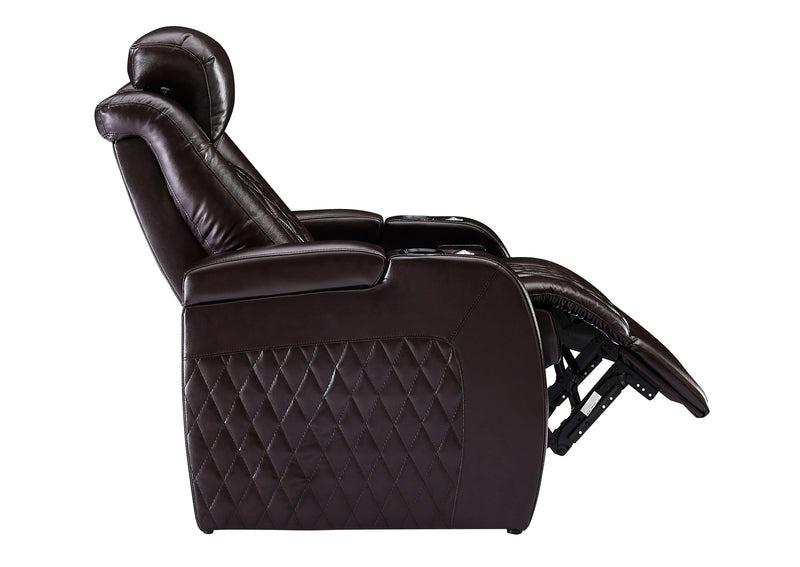
Brown has emerged as a unifying thread across multiple design philosophies precisely because it refuses to be pinned to a single style. In modern minimalist seating arrangements, where clean lines and restrained palettes dominate, a warm cognac or tawny brown introduces just enough organic character to prevent the space from feeling austere. The material matters here too—smooth, low-profile leather in a muted brown tone aligns perfectly with minimalist principles while delivering the sensory warmth that viewers crave during a three-hour film.
On the opposite end of the spectrum, maximalist theater designs are embracing brown with equal enthusiasm. Layered textures, jewel-toned accent pillows, and richly patterned rugs find a grounding companion in deep chocolate or walnut-toned seating, which anchors visual complexity without overwhelming the eye. Hybrid designs—perhaps the most defining trend of the year—blend elements of both approaches, pairing streamlined brown recliners with statement lighting, acoustic panels in complementary earth tones, and subtle metallic accents. Technology is also shaping these choices.
As ambient backlighting systems and smart LED strips become standard in theater builds, designers are discovering that brown upholstery responds beautifully to colored light, shifting in tone and mood in ways that black or grey simply cannot. This dynamic quality gives brown seating a chameleon-like adaptability that aligns with the increasingly tech-forward expectations of 2025 clients who want their spaces to feel alive and responsive.
Key Trends for 2025: From Minimalist to Eclectic
Several specific seating color trends are crystallizing this year. Minimalist theaters are gravitating toward monochromatic brown palettes—think varying shades from sand to umber used across seating, wall treatments, and flooring to create a cocoon-like uniformity that feels intentional rather than monotonous.
Eclectic designs, meanwhile, are mixing brown seating with unexpected companions: deep navy walls, emerald green throw blankets, or even blush-toned acoustic fabric, creating theaters that feel curated and personal. Material innovation is accelerating these trends as well. Performance fabrics now replicate the look and feel of aged leather in lighter brown shades that were previously impractical for high-use spaces, giving designers options that didn’t exist even two years ago.
Sustainable and vegan leather alternatives in rich brown tones are also gaining traction, appealing to environmentally conscious clients without sacrificing the visual impact that modern minimalist seating demands. The overarching direction is clear: seating color is no longer an afterthought but a primary design driver, and brown’s adaptability positions it as the most versatile choice across the full spectrum of 2025 home theater styles.
Practical Solutions for Interior Designers: Selecting and Styling Versatile Seating
Knowing that brown is trending is one thing—executing it confidently for clients is another. Interior designers navigating the shift toward warmer seating tones need a practical framework that accounts for room dimensions, client taste, existing decor, and long-term durability.
The starting point is always context. A brown that works beautifully in a sprawling dedicated theater with dark acoustic walls may feel entirely wrong in a compact media room that doubles as a family den. Designers should begin every project by mapping the room’s lighting conditions, both natural and artificial, since brown’s undertones shift dramatically depending on the light source hitting the upholstery.
A cool-toned LED setup can make a warm caramel feel muddy, while properly calibrated warm lighting brings out the richness that makes brown so appealing in the first place. Material selection is equally critical. Full-grain leather in brown develops a patina over time that many clients find desirable, but it demands a climate-controlled environment to prevent cracking—something not every theater space offers. Performance microfiber and high-quality synthetic leathers now deliver remarkably convincing brown tones with superior stain resistance, making them the smarter recommendation for families with children or homeowners who entertain frequently.
Furniture manufacturers like Weilianda have expanded their home theater collections to include a broader spectrum of brown tones and material options, reflecting the industry-wide recognition that warm seating palettes are no longer niche but mainstream. Designers should also think beyond the seat itself. Brown seating achieves its full potential when it’s woven into a cohesive material story: coordinating throw pillows, a complementary area rug, and wall treatments that echo or contrast the seating tone intentionally.
Avoiding a matchy-matchy approach is key. Instead, layering different shades of brown alongside contrasting textures—a nubby wool blanket against smooth leather, for instance—creates the depth and visual interest that distinguishes a professionally designed theater from a furniture showroom display. Finally, always present clients with physical swatches viewed under the room’s actual lighting conditions rather than relying on digital renders, which consistently misrepresent how brown reads in dim environments.
Step-by-Step Guide: Matching Seating with Client Needs and Decor
Start by conducting a thorough client intake that goes beyond color preference—ask about viewing habits, how many people typically use the space, and whether the room serves additional functions. Next, assess the existing color palette and architectural features of the room, identifying whether warm or cool undertones dominate the walls, flooring, and trim.
With this foundation, curate three to four brown options spanning different undertones: a reddish cognac, a neutral tan, a deep chocolate, and perhaps a grey-brown taupe, each in the material most appropriate for the client’s lifestyle. Present these against the room’s actual surfaces and under its installed lighting. Once a direction is chosen, build outward by selecting complementary accent colors and textures that reinforce the seating as the room’s anchor.
The final step is ensuring the selected upholstery meets durability standards for the space—request abrasion test ratings and cleaning specifications before placing any order.
Case Studies: Brown Seating in Action Across Design Styles
Consider a modern minimalist theater completed earlier this year in a downtown loft. The designer selected low-profile recliners in a matte saddle-brown vegan leather, pairing them with pale oak flooring, white acoustic panels, and a single oversized pendant light in brushed brass.
The brown seating provided the room’s only warm element, and that restraint made it the undeniable focal point—proof that modern minimalist seating doesn’t require cold tones to feel clean. In contrast, a suburban family built a traditional luxe theater around deep espresso leather power recliners with nailhead trim. The surrounding design leaned into richness: burgundy velvet curtains, dark walnut wainscoting, and a thick Persian-style rug in complementary reds and golds.
Here, the brown seating didn’t stand apart—it belonged, grounding the room’s opulence with an earthy warmth that prevented the space from tipping into excess. Both projects demonstrate the same principle: brown succeeds not because it demands attention, but because it adapts to the design language surrounding it.
Embracing Warmth: How Brown Seating Is Shaping the Future of Home Theater Design
The conversation between brown and traditional colors in home theater seating is ultimately not about declaring a winner—it’s about recognizing where design is heading and equipping yourself to respond with confidence. Traditional hues like black and grey have earned their place through decades of reliable performance, offering neutrality and cinematic authenticity that still resonates with certain clients and dedicated theater builds. They remain valid tools in any designer’s palette.
However, the momentum in 2025 home theater styles points unmistakably toward warmth, personality, and integration with the broader home, and brown delivers on all three fronts with remarkable consistency. Its psychological comfort, visual adaptability across minimalist to maximalist schemes, and responsiveness to modern lighting technology make it the most compelling seating color trend shaping the industry right now.
For interior designers, the practical takeaway is straightforward: expand your material library to include a range of brown tones, invest time in understanding how undertones behave under various lighting conditions, and approach each project with a framework that ties seating color to the room’s full design narrative. Clients increasingly expect their home theaters to feel intentional and emotionally resonant, not just functional.
By staying attuned to evolving seating color trends and mastering the art of integrating brown into diverse design contexts, designers position themselves to deliver spaces that don’t just meet expectations—they redefine them. Brown isn’t replacing tradition; it’s building on it, and the designers who embrace that evolution will lead the next chapter of home theater design.