Hybrid Cloud Solutions: The Best of On-Prem and Cloud
Modern businesses need technology that is flexible, secure, scalable, and cost-effective. For many organizations, choosing between on-premises infrastructure and cloud computing is not simple. On-prem systems offer control and customization, while cloud platforms provide flexibility and speed. Hybrid cloud brings both together, allowing companies to use each environment where it makes the most sense. That is why hybrid cloud solutions for businesses have become an attractive option for companies that want the performance of local infrastructure with the agility of the cloud.
What Is a Hybrid Cloud?
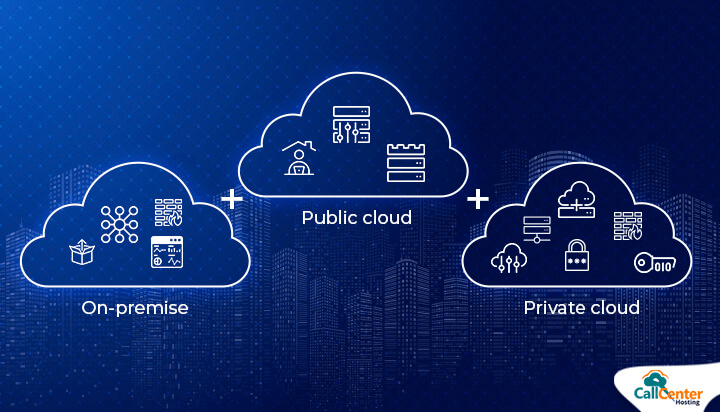
A hybrid cloud is an IT environment that combines on-premises infrastructure with public cloud, private cloud, or both. Instead of running every workload in one location, businesses can connect multiple environments so data, applications, and services work together.
For example, a company might keep sensitive customer data on local servers while using cloud platforms for backup, collaboration, analytics, or seasonal demand. Another business might run core applications in a private data center but use public cloud resources when it needs more computing power.
Hybrid cloud is not just about having both on-prem and cloud systems. The key is integration. A true hybrid approach allows workloads and data to move, sync, or connect across environments in a controlled and efficient way.
Why Businesses Are Choosing Hybrid Cloud
Many businesses are not ready to move everything to the cloud. Some have legacy systems, compliance requirements, specialized hardware, or security policies that make full cloud migration difficult. At the same time, relying only on on-prem infrastructure can limit growth and increase hardware costs.
Hybrid cloud gives businesses a practical middle ground. It allows companies to modernize at their own pace while still getting value from existing technology investments.
Common reasons businesses choose hybrid cloud include:
- Better control over sensitive data
- More flexibility for changing workloads
- Lower upfront infrastructure costs
- Improved disaster recovery
- Easier support for remote teams
- Faster application deployment
- Better scalability during busy periods
- Continued use of existing on-prem systems
The Benefits of On-Prem Infrastructure
On-premises infrastructure means servers, storage, networking equipment, and other systems are located at a company-owned or controlled facility. While cloud adoption continues to grow, on-prem still offers important advantages.
Businesses often prefer on-prem systems when they need:
- Direct control over hardware and software
- Custom configurations
- Low-latency performance
- Strict data governance
- Internal access to critical systems
- Support for legacy applications
Industries such as healthcare, finance, manufacturing, legal services, and government may rely on on-prem systems because of compliance, performance, or operational requirements. For these organizations, moving everything to the cloud may not be practical or desirable.
The Benefits of Cloud Computing
Cloud computing gives businesses access to computing resources over the internet. Instead of buying and maintaining physical infrastructure, companies can use cloud servers, storage, databases, software, and security services as needed.
Cloud platforms are especially useful for businesses that need to move quickly, support remote users, or scale without buying more hardware.
Key benefits of cloud computing include:
- Flexible capacity
- Reduced hardware maintenance
- Faster deployment of new tools
- Built-in backup and recovery options
- Remote accessibility
- Pay-as-you-go pricing models
- Access to advanced services such as artificial intelligence, analytics, and automation
The cloud can help businesses reduce operational strain while giving teams access to modern tools that support growth and innovation.
How Hybrid Cloud Combines the Best of Both
Hybrid cloud allows businesses to place each workload in the right environment. Critical systems that require tight control can remain on-prem, while flexible or high-demand workloads can run in the cloud.
This approach helps businesses avoid an all-or-nothing decision. Instead, they can build a technology strategy around performance, cost, security, and business goals.
For example:
- Sensitive data can stay on-prem while cloud tools process anonymized data.
- Daily operations can run locally while backups are stored in the cloud.
- Legacy applications can remain in the data center while new apps are built in the cloud.
- Cloud resources can handle traffic spikes during busy seasons.
- Remote employees can access cloud-based collaboration tools while internal systems remain protected.
This balance is what makes hybrid cloud so valuable. Businesses gain flexibility without giving up control.
Security and Compliance Advantages
Security is one of the biggest reasons businesses consider hybrid cloud. Some organizations have data that must be stored in specific locations or managed under strict rules. Hybrid cloud allows companies to keep regulated data in a controlled environment while still using cloud services for less sensitive workloads.
A strong hybrid cloud security strategy may include:
- Identity and access management
- Multi-factor authentication
- Encryption for data at rest and in transit
- Network segmentation
- Security monitoring
- Regular vulnerability assessments
- Compliance reporting
- Backup and recovery controls
Hybrid cloud can also improve resilience. If one environment experiences an issue, another environment may help support recovery. However, security depends on proper design. Businesses need clear policies, consistent monitoring, and well-managed access controls across both on-prem and cloud systems.
Cost Management and Efficiency
Hybrid cloud can help businesses manage costs more effectively. Instead of purchasing hardware for peak demand, companies can use cloud resources when extra capacity is needed. This reduces the risk of overbuying equipment that sits unused most of the year.
At the same time, keeping certain workloads on-prem may be more cost-effective in the long run. Applications with predictable, steady usage may not always benefit from cloud pricing. Hybrid cloud allows businesses to compare costs and place workloads where they make the most financial sense.
Cost savings may come from:
- Reducing hardware purchases
- Extending the life of existing infrastructure
- Paying for cloud resources only when needed
- Improving energy and maintenance efficiency
- Reducing downtime
- Automating routine IT tasks
To get the most value, businesses should monitor usage, review cloud spending regularly, and avoid running unnecessary resources.
Disaster Recovery and Business Continuity
Hybrid cloud solutions can strengthen disaster recovery and business continuity. Traditional disaster recovery often required a second physical location, which could be expensive and difficult to manage. With hybrid cloud, businesses can replicate data and systems to the cloud for faster recovery.
Hybrid disaster recovery can help protect against:
- Power outages
- Hardware failures
- Cyberattacks
- Natural disasters
- Accidental data deletion
- Local network disruptions
A business might run daily operations on-prem while using the cloud for backups and recovery. If local systems fail, cloud-based resources can help restore access more quickly. This reduces downtime and helps the company continue serving customers.
Supporting Remote and Hybrid Work
Work has changed, and many employees now need secure access to business systems from different locations. Hybrid cloud supports this shift by giving businesses flexible ways to deliver applications, files, and collaboration tools.
Cloud-based services can support remote teams with:
- Secure file sharing
- Video conferencing
- Project management tools
- Virtual desktops
- Cloud email and productivity apps
- Remote access to approved business systems
Meanwhile, on-prem systems can continue supporting internal applications, specialized tools, or sensitive data. This mix helps businesses support workforce flexibility without compromising control.
Challenges of Hybrid Cloud
Hybrid cloud offers many benefits, but it also requires careful planning. Managing two or more environments can be complex, especially if systems are not properly integrated.
Common challenges include:
- Data synchronization issues
- Security gaps between environments
- Vendor management complexity
- Unexpected cloud costs
- Network performance concerns
- Compliance requirements
- Skills gaps within IT teams
- Application compatibility problems
Businesses can reduce these challenges by developing a clear cloud strategy, documenting responsibilities, choosing reliable vendors, and investing in monitoring and management tools.
Best Practices for Building a Hybrid Cloud Strategy
A successful hybrid cloud strategy starts with understanding business needs. Companies should not move workloads just because cloud technology is popular. Each decision should support a specific goal, such as improving performance, reducing risk, supporting growth, or strengthening security.
Best practices include:
- Assess current infrastructure and applications.
- Identify which workloads should stay on-prem.
- Decide which workloads are best suited for the cloud.
- Set security and compliance requirements.
- Create clear backup and recovery plans.
- Monitor costs and resource usage.
- Train IT teams and employees.
- Choose platforms that integrate well.
- Test performance before expanding.
- Review the strategy regularly.
Hybrid cloud is not a one-time project. It is an ongoing approach that should evolve as the business grows.
Choosing the Right Hybrid Cloud Partner
Many businesses benefit from working with an experienced IT provider or managed services partner. The right partner can help assess current systems, design a secure architecture, migrate workloads, monitor performance, and manage ongoing support.
When evaluating a provider, businesses should look for:
- Experience with both on-prem and cloud environments
- Strong cybersecurity practices
- Knowledge of compliance requirements
- Clear pricing and service agreements
- Scalable support options
- Disaster recovery expertise
- Proactive monitoring and maintenance
A trusted partner can help prevent costly mistakes and make sure the hybrid environment supports long-term business goals.
Is Hybrid Cloud Right for Your Business?
Hybrid cloud is a strong fit for businesses that want flexibility without giving up control. It is especially useful for companies with existing infrastructure, compliance needs, sensitive data, remote teams, or fluctuating workloads.
However, hybrid cloud should be designed around the company’s real needs. The best solution is not always the most complex one. A thoughtful plan can help businesses use on-prem and cloud resources in a way that improves performance, protects data, and supports future growth.
Final Thoughts
Hybrid cloud gives businesses the best of both worlds. It combines the control and reliability of on-prem infrastructure with the flexibility and scalability of cloud computing. With the right strategy, companies can modernize operations, improve security, reduce downtime, and manage costs more effectively.
As technology needs continue to change, hybrid cloud solutions for businesses offer a practical path forward. They allow organizations to keep what works, improve what needs updating, and build a more resilient IT environment for the future.
FAQ
What are hybrid cloud solutions for businesses?
Hybrid cloud solutions for businesses combine on-premises infrastructure with cloud services so companies can run workloads in the environment that best fits their security, performance, and cost needs.
What is the main benefit of hybrid cloud?
The main benefit is flexibility. Businesses can keep sensitive or critical systems on-prem while using cloud resources for scalability, backup, remote access, and innovation.
Is hybrid cloud secure?
Hybrid cloud can be secure when designed properly. Strong access controls, encryption, monitoring, network segmentation, and compliance policies are essential.
Is hybrid cloud cheaper than full cloud?
It depends on the workloads. Hybrid cloud can reduce costs by using existing infrastructure and adding cloud resources only when needed, but poor management can lead to unnecessary expenses.
What types of businesses benefit from hybrid cloud?
Businesses with compliance requirements, sensitive data, legacy systems, remote teams, or changing workload demands often benefit from hybrid cloud.
How does hybrid cloud help with disaster recovery?
Hybrid cloud allows businesses to back up data and replicate systems to the cloud, making it easier to recover from outages, cyberattacks, hardware failures, or local disasters.
Do small businesses need hybrid cloud?
Some small businesses can benefit from hybrid cloud, especially if they need secure local systems plus cloud-based backup, collaboration, or remote access tools.