How Garden Rooms Are Revolutionising UK Living
The traditional British backyard is undergoing a radical transformation. For decades, the outdoor space was defined by a patch of grass and perhaps a drafty shed for the lawnmower. However, a new era of architecture has arrived. High-spec, insulated structures are fundamentally changing how we perceive our homes and our lifestyles.
From the rise of remote work to the need for multigenerational living solutions, these buildings are the answer to the UK’s “space squeeze.” Whether you call them garden rooms or luxury retreats, they are no longer a luxury—they are a modern necessity.
The Shift Toward Multi-Functional Outdoor Living
The way we live in 2026 is vastly different from even five years ago. Home is no longer just a place to sleep; it is a gym, a cinema, an office, and sometimes a school. This shift has pushed traditional floor plans to their breaking point.
Homeowners are increasingly turning to the outdoors to find the square footage they lack indoors. The beauty of this “third space” lies in its separation. Being physically removed from the main house provides a psychological boundary that a spare bedroom simply cannot offer.
Why the UK is Embracing the Garden Building Trend
- Speed of Construction: Unlike a brick-and-mortar extension that can take months, most outdoor rooms are installed in days.
- Cost-Effectiveness: Adding space via the garden is often significantly cheaper than moving house or undertaking a loft conversion.
- Permitted Development: Many of these structures do not require lengthy planning permission, making them a “path of least resistance” for home improvement.
The Rise of Garden Pods: The Ultimate Productivity Hack
As hybrid working becomes the permanent standard for UK professionals, the “kitchen table office” has lost its charm. Noise, clutter, and lack of privacy have led to a surge in the popularity of garden pods.
These compact, often futuristic-looking structures are designed specifically for focus. They offer a dedicated professional environment that is only a thirty-second “commute” away.
Key Benefits of Dedicated Work Pods
- Professionalism: A quiet, background-controlled environment for video calls.
- Work-Life Balance: When you close the door to your pod at 5:00 PM, you are effectively “leaving” work.
- Acoustic Privacy: Modern pods often feature high-performance soundproofing, ensuring the kids’ playtime doesn’t interrupt your board meeting.
Garden Annexes: A Solution for Multigenerational Living
The UK is currently facing a housing crisis and an aging population. This has created a “sandwich generation” of adults who are caring for elderly parents while also supporting grown children who cannot yet afford to buy their own homes.
This is where garden annexes are revolutionizing the market. These are larger, self-contained units often equipped with kitchenettes and bathrooms. They provide a dignified, independent living solution that keeps families close while maintaining private boundaries.
How Annexes Compare to Traditional Care or Rentals:
- Long-Term Savings: While the initial investment is higher than a standard shed, it eliminates monthly care home fees or high rent costs.
- Increased Property Value: A legally compliant annexe can add substantial value to a property, often providing a 100% return on investment.
- Flexibility: Once the primary need for the annexe passes, it can serve as a guest suite or even a short-term rental opportunity.
Boosting Property Value in the 2026 Market
In the current real estate climate, buyers are looking for “turnkey” functionality. A home that already features a high-quality outdoor building stands out in a crowded market.
Real estate experts suggest that a well-built, insulated garden room can add between 5% and 15% to the total valuation of a property. Prospective buyers view these spaces as “bonus rooms” that are ready for immediate use, saving them the hassle of future renovations.
Design and Sustainability: Building for the Future
The modern garden room isn’t just a wooden box. It is a feat of engineering. In 2026, the focus has shifted toward sustainability and “biophilic” design—bringing the outdoors in.
Sustainable Features to Consider:
- SIPS Panels: Structural Insulated Panels provide incredible thermal efficiency, keeping the space warm in winter and cool in summer.
- Living Roofs: Sedum roofs help with local biodiversity and natural insulation.
- Eco-Friendly Cladding: Options like Western Red Cedar or charred timber (Shou Sugi Ban) offer durability without the need for toxic chemicals.
Maximising Small Gardens with Smart Layouts
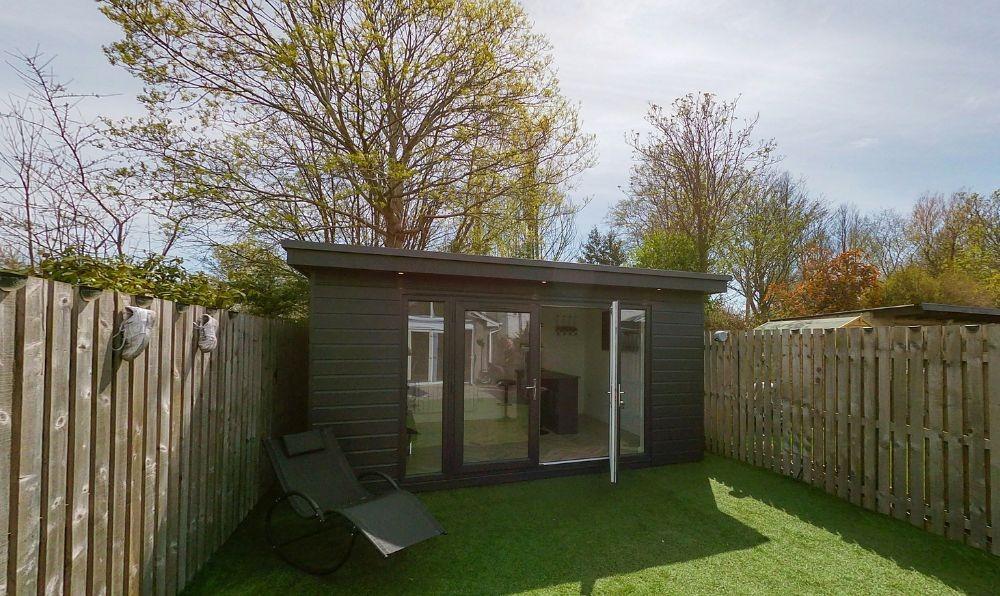
You don’t need an estate to benefit from this revolution. Designers are now creating “micro-rooms” that fit into corner plots of urban terraced houses. By using glass-to-glass corners and bi-fold doors, even a small pod can feel expansive, turning a neglected corner of the yard into the most used room in the house.
Tips for Small Space Integration:
- Mirror Placement: Reflective surfaces can make a small outdoor room feel twice as large.
- Vertical Gardening: Use the exterior walls of the room to grow herbs or climbing plants.
- Integrated Storage: Choose designs that include a hidden side-shed for tools, keeping the main area clutter-free.
Conclusion
The garden room revolution is more than just a trend in DIY; it is a fundamental shift in how we utilize our land. As our lives become more digital and our homes more crowded, the ability to step into the garden and enter a fully functional, quiet, and beautiful room is a game-changer.
Whether you are looking for a garden pod on your outdoor living setup for your new startup, or a full annexe for family, the options have never been more sophisticated. It’s time to stop thinking of the garden as just a place for plants and start seeing it as the future of your home.
Frequently Asked Questions (FAQ)
1. Do I need planning permission for a garden room in the UK?
In most cases, garden rooms fall under “Permitted Development.” As long as the building is single-story, has a maximum eaves height of 2.5 m, and isn’t used as a permanent sleeping residence, you usually don’t need a formal application. However, always check if you live in a conservation area.
2. How long do these buildings last?
A high-quality, professionally installed garden building can last 30 to 50 years or more. Using durable materials like cedar cladding and EPDM rubber roofing ensures the structure remains weatherproof for decades.
3. Can I have electricity and internet in my garden pod?
Absolutely. Most modern rooms are installed with a full electrical consumer unit. For internet, you can run an armored Ethernet cable from your house or use a dedicated Wi-Fi extender to ensure high-speed connectivity.
4. Are garden rooms warm enough to use in the winter?
Yes, provided they are properly insulated. Look for buildings that use “year-round” insulation standards (like SIPS). When paired with a small electric heater or underfloor heating, they are often easier to keep warm than the main house.
5. What is the difference between a garden room and a conservatory?
Conservatories are mostly glass and often suffer from extreme temperature swings (too hot in summer, too cold in winter). Garden rooms are built like timber-frame houses, offering much better thermal regulation and a more “solid” feel.