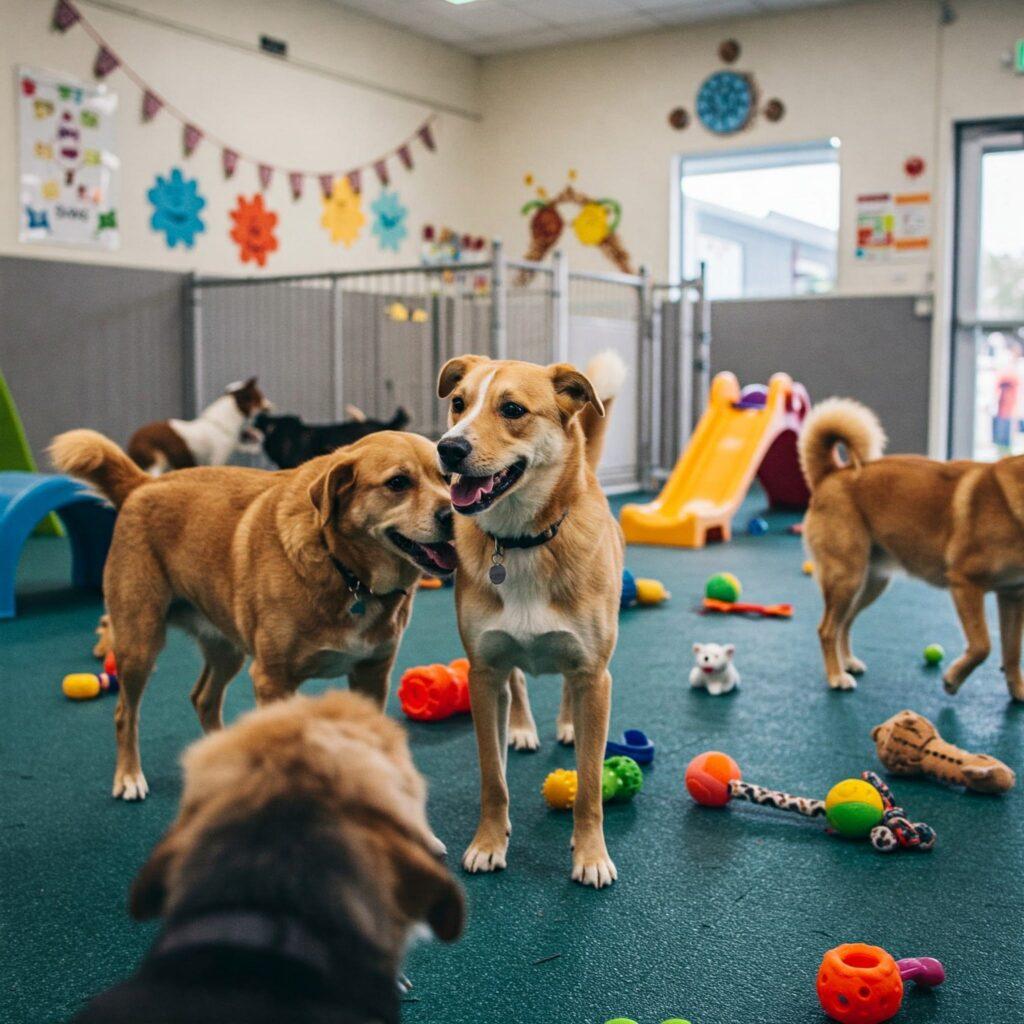
How Do You Prepare Your Dog for First-Time Daycare?
Sending your dog to daycare for the first time can feel exciting, helpful, and a little nerve-racking. Dog daycare can give your pup social interaction, exercise, mental stimulation, and a safe place to spend the day while you are busy. Still, a successful first visit usually starts before drop-off. Learning how to prepare your dog for daycare can help reduce stress, improve your dog’s confidence, and make the experience easier for both of you.
Start With Your Dog’s Personality
Before choosing a daycare, think honestly about your dog’s temperament. Some dogs love group play right away, while others need time to warm up. Consider whether your dog is playful, shy, anxious, reactive, energetic, or easily overwhelmed. A good daycare should evaluate your dog’s comfort level and place them in an appropriate group based on size, energy, and play style.
Ask yourself:
- Does my dog enjoy meeting other dogs?
- Has my dog spent time away from home before?
- Does my dog respond well to basic commands?
- Is my dog nervous in new places?
- Does my dog guard toys, food, or people?
These answers do not automatically mean daycare is or is not a fit. They simply help you choose the right environment and prepare your dog properly.
Research the Right Daycare Facility
Not all dog daycares operate the same way. Some focus on open play, while others offer smaller groups, structured rest periods, enrichment activities, or one-on-one care. Visit the facility before your dog’s first day, read reviews, and ask questions about safety, supervision, cleaning procedures, and staff training.
Look for a daycare that offers:
- A temperament evaluation before full-day care
- Separate playgroups by size and energy level
- Trained staff who understand dog body language
- Clean indoor and outdoor areas
- Clear vaccination and health requirements
- Rest breaks throughout the day
- Emergency procedures and local veterinary contacts
A professional daycare should welcome your questions. If staff seem rushed, dismissive, or unwilling to explain their process, keep looking.
Schedule a Meet-and-Greet First
A meet-and-greet or trial visit is one of the best ways to introduce your dog to daycare. This allows the staff to observe your dog’s behavior, comfort level, and social skills in a controlled setting. It also gives your dog a chance to smell the space, meet new people, and experience the environment without being thrown into a full day right away.
For many dogs, a short trial visit is better than starting with eight hours of play. A half-day or brief evaluation can prevent overstimulation and help your dog build a positive association with the facility.
Update Vaccines and Health Records
Most daycare facilities require proof of vaccinations before your dog can attend. Common requirements include rabies, distemper, parvovirus, and Bordetella. Some facilities may also require canine influenza or a negative fecal test.
Before your dog’s first visit:
- Confirm vaccination requirements with the daycare
- Contact your veterinarian for updated records
- Make sure flea, tick, and heartworm prevention are current
- Ask your vet if daycare is appropriate for your dog’s age and health
- Keep copies of medical records ready to send
Dogs that are coughing, vomiting, limping, itching excessively, or showing signs of illness should stay home until cleared by a veterinarian.
Practice Basic Commands
Your dog does not need to be perfectly trained to attend daycare, but basic obedience helps staff manage the day safely. Practice simple commands in different environments so your dog can respond even when distracted.
Helpful commands include:
- Sit
- Stay
- Come
- Leave it
- Drop it
- Off
- Wait
Practice with treats, praise, and patience. The goal is not perfection. The goal is to help your dog understand how to listen and settle when needed.
Build Social Skills Gradually
If your dog has limited experience with other dogs, do not make daycare the first big social event. Start with controlled, positive interactions. Arrange walks with calm dogs, visit quiet parks, or schedule short playdates with dogs you know are friendly and well-mannered.
Avoid crowded dog parks as your main preparation tool, especially if your dog is inexperienced. Dog parks can be unpredictable, and negative encounters may make your dog more nervous before daycare.
Get Your Dog Comfortable with Separation
Daycare involves time away from you, so separation practice can help. If your dog becomes anxious when you leave, start with short absences at home. Step outside for a few minutes, then return calmly. Gradually increase the time apart.
You can also practice leaving your dog with a trusted friend, family member, groomer, or pet sitter for short periods. This teaches your dog that being away from you is temporary and safe.
Adjust Your Dog’s Routine Before the First Day
Dogs often do better with predictable routines. In the days leading up to daycare, keep meals, walks, potty breaks, and bedtime consistent. Avoid major changes right before the first visit, such as switching food, hosting a loud gathering, or starting a new medication, unless directed by your vet.
The night before daycare, help your dog get good rest. A tired but not exhausted dog is usually better prepared for a new experience.
Pack the Right Items
Ask the daycare what you should bring. Some facilities provide everything, while others allow or require specific items. Do not pack toys or treats unless the daycare approves them, since personal items can sometimes cause guarding or conflict.
Common items to prepare include:
- Vaccination records
- Emergency contact information
- Leash and properly fitted collar or harness
- Food for meals, if your dog will eat there
- Medication with clear instructions, if needed
- A labeled bag or container
- Special feeding notes or allergy information
Avoid bringing sentimental items unless the daycare specifically allows them. Items can get dirty, misplaced, or damaged during a busy day.
Feed Light Before Drop-Off
Ask the daycare about feeding guidelines. In many cases, it is best to avoid a large meal immediately before active play. A heavy breakfast followed by running, jumping, and excitement may cause stomach discomfort.
If your dog normally eats in the morning, consider feeding earlier than usual or offering a smaller portion if your veterinarian and daycare agree. Always follow medical guidance for puppies, senior dogs, or dogs with health conditions.
Keep Drop-Off Calm and Positive
Your energy matters. If you act nervously, emotionally, or hesitantly, your dog may pick up on that. Keep the first drop-off calm, cheerful, and brief. Say goodbye in a relaxed voice and avoid long, dramatic farewells.
A simple goodbye works best: “Have fun, I’ll see you soon.”
Then leave confidently. Lingering at the door can make separation harder for your dog.
Expect Some First-Day Tiredness
After daycare, your dog may be very tired. This is normal. A first day includes new smells, new dogs, new people, and lots of stimulation. Your dog may nap more than usual, drink extra water, or seem quieter in the evening.
However, extreme exhaustion, limping, vomiting, diarrhea, coughing, or unusual behavior should not be ignored. Contact the daycare for details about your dog’s day and call your veterinarian if symptoms are concerning.
Ask for Feedback After the Visit
A quality daycare should be able to tell you how your dog did. Ask whether your dog played, rested, seemed nervous, made friends, or needed breaks. This feedback can help you decide whether to continue, adjust the schedule, or try shorter visits.
Helpful questions include:
- Did my dog seem comfortable?
- Which playgroup was my dog in?
- Did my dog take breaks?
- Were there any signs of stress?
- Did my dog interact well with staff and other dogs?
- Would you recommend a half-day or a full-day next time?
Use this information to build a plan that fits your dog’s needs.
Watch for Signs Your Dog Enjoys Daycare
Many dogs show clear signs that they like daycare. They may get excited when you pull into the parking lot, greet staff happily, play well, and come home relaxed.
Positive signs include:
- Loose, wiggly body language at drop-off
- Willingness to enter the facility
- Healthy tiredness afterward
- Normal appetite after returning home
- Friendly interaction with staff
- Improved confidence over time
Some dogs need several visits before they fully relax. Others may prefer occasional daycare rather than frequent attendance.
Know When Daycare May Not Be the Best Fit
Daycare is helpful for many dogs, but it is not ideal for every dog. Some dogs become too stressed, overstimulated, or defensive in group settings. That does not mean anything is wrong with your dog. It simply means another option may be better.
Alternatives include:
- Dog walking services
- In-home pet sitting
- One-on-one enrichment visits
- Training sessions
- Small private playgroups
- Half-day daycare instead of full-day care
The best care option is the one that supports your dog’s safety, comfort, and personality.
Final Thoughts
Knowing how to prepare your dog for daycare can make the first visit smoother and more enjoyable. Start by choosing a reputable facility, updating health records, practicing basic commands, building social confidence, and easing your dog into time away from home. Keep the first day simple, stay calm at drop-off, and ask for feedback afterward. With the right preparation, daycare can become a fun, enriching part of your dog’s routine.
FAQ
How early should I prepare my dog for daycare?
Start preparing at least one to two weeks before the first visit. This gives you time to update records, practice commands, schedule a meet-and-greet, and build your dog’s comfort.
What vaccines does my dog need for daycare?
Most daycares require rabies, distemper, parvovirus, and Bordetella. Some may also require canine influenza. Always check directly with the facility.
Should I feed my dog before daycare?
A light meal several hours before drop-off is often best, but ask your daycare and veterinarian for guidance, especially if your dog has medical needs.
What should I bring on the first day?
Bring vaccination records, a leash, emergency contact information, food or medication if needed, and any forms required by the daycare.
Is it normal for my dog to be exhausted after daycare?
Yes. First-time daycare can be mentally and physically tiring. Your dog may sleep more than usual after a busy day.
What if my dog is nervous at daycare?
Start with short visits, choose a daycare with small groups, and ask staff for feedback. Some dogs need time to adjust.
How often should my dog go to daycare?
It depends on your dog’s age, energy level, personality, and recovery time. Some dogs enjoy several days a week, while others do best with one occasional visit.
Can puppies go to daycare?
Many puppies can attend once they meet the daycare’s age and vaccination requirements. Ask your veterinarian when it is safe for your puppy to start.
What if my dog does not like daycare?
Daycare is not right for every dog. Consider dog walking, pet sitting, private playdates, or enrichment visits instead.