How Gun Ownership Laws Differ Across U.S. States Today
Gun laws in the United States are not the same everywhere. Each state has its own rules about who can own guns, how they can be carried, and what kinds of firearms are allowed.
Even though the Second Amendment protects the right to own guns, states decide many of the details. Read on.
Buying a Gun
In some states, buying a gun is a strict process. States like California, New York, and Massachusetts often require background checks, waiting periods, permits, and sometimes safety training before a person can buy a firearm.
Other states, such as Texas or Arizona, have fewer rules. In many cases, a person can buy a gun from a licensed dealer after only a basic background check. These states usually make it easier and faster to purchase firearms.
Carrying Guns in Public
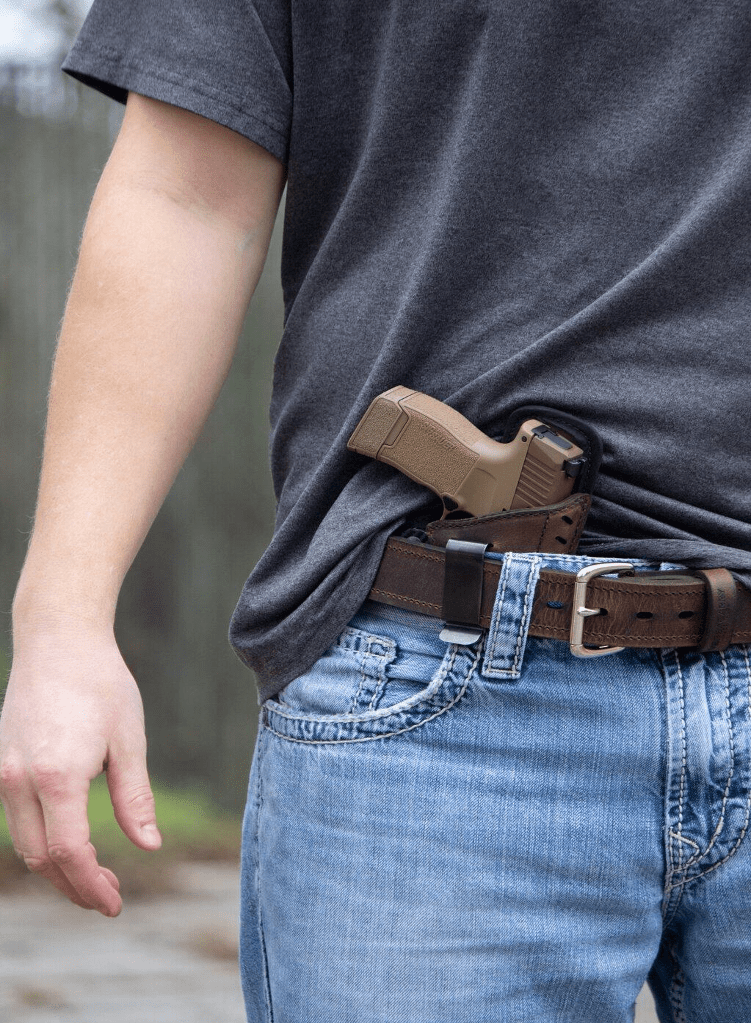
Rules about carrying guns are very different depending on the state. Some states now allow “constitutional carry.” This means a person can carry a concealed gun without needing a permit.
Other states require a permit to carry a concealed weapon. These states often ask for training, background checks, and approval before giving a permit.
Open carry laws (carrying a visible gun in public) also vary. Some states allow it, some restrict it, and others ban it in most public places.
Carrying Across State Lines
Gun permits are not always accepted everywhere. A permit from one state may not be valid in another.
This is called “reciprocity.” Because of this, gun owners must check the laws of each state they travel to.
What is legal in one place may be illegal just a few miles away. Make sure to consult experts, especially on Texas license to carry renewal, for more information.
Types of Guns and Accessories
States also differ in what kinds of guns and accessories are allowed. Some states ban or limit certain semi-automatic firearms, often called “assault weapons.” Others allow them with a few restrictions.
Magazine size limits are also common in stricter states. Some states have “red flag laws,” which allow police or courts to take guns away from someone who may be dangerous to themselves or others.
Self-Defense Rules
States also have different rules about using force for self-defense. Many states have “stand your ground” laws. These laws say a person does not have to run away if they feel threatened.
Other states have a “duty to retreat” rule. This means a person must try to escape safely before using force, if possible. These rules can affect how self-defense cases are handled in court.
Knowing when defensive force may be lawful is only part of responsible preparation, because even a justified incident can lead to legal and financial consequences. Gun owners looking for support for responsible personal defense can also learn how concealed carry insurance and related legal-protection options are designed to address the aftermath of a self-defense incident.
Why the Laws Are So Different
Gun laws vary because each state has different views, cultures, and needs. Urban states often have stricter gun rules because of higher population density and concerns about gun violence.
Rural states often support fewer restrictions and stronger gun rights. The federal government sets basic rules, but states have the power to create their own laws on top of them.
Your Path to Responsible Gun Ownership
Gun laws in the U.S. are not uniform. They change depending on the state you are in.
Rules about buying, carrying, and using guns can be very different from place to place. Because of this, gun owners need to understand local laws carefully, especially when traveling.
If you want to read more articles, visit our blog.