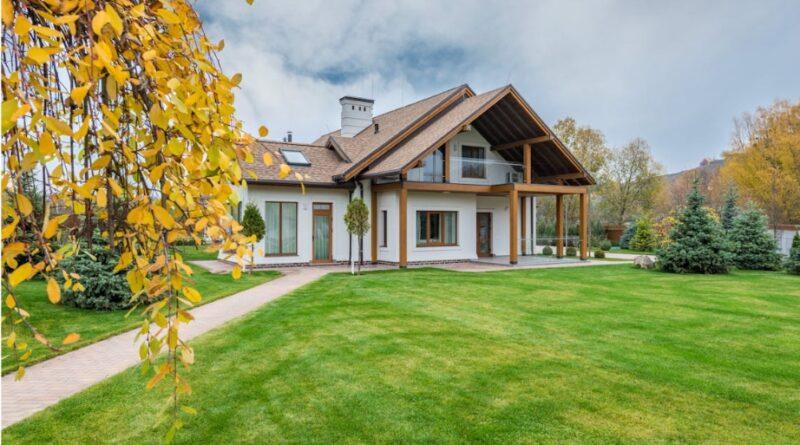
The Impact of Climate Patterns on Exterior Home Improvements
A home does not experience weather as a passing event. It absorbs it, holds onto it, and responds to it over time. Sunlight fades surfaces. Moisture settles into areas that do not dry out properly. Wind finds the weakest points and tests them again and again. None of this happens in an abrupt, one-time moment, but gradually.
Living in Tampa Bay, FL, brings this relationship into focus. The air carries moisture, storms arrive with force, and sunlight stays intense for long stretches of the year. A home here does not get the option to ignore climate. It has to respond to it through design, materials, and ongoing care. You can walk through neighborhoods and notice the difference without needing to look closely. Some homes feel intact, while others show signs of wear much earlier.
Entry Strength
Entry points carry more responsibility than most homeowners realize. They are not just points of access. They are some of the most exposed parts of the structure, taking on direct pressure from wind, moisture, and temperature swings. A standard setup might feel sufficient during calm conditions, though repeated exposure begins to reveal where it falls short. Small gaps, slight misalignments, or weaker materials start showing their limits over time, especially on exterior doors.
In response to this, attention often turns toward upgrades that focus on both strength and performance. In areas like Tampa Bay, installing hurricane-rated doors becomes part of a broader approach to reinforcing the home rather than treating entryways as isolated features. The value of this decision shows up in how well the home handles repeated exposure without visible strain. For proper door installation Tampa Bay residents know that only the experts can carry out the task effectively. After this, you’ll notice how entry points start carrying their share of the structural responsibility instead of being overlooked details.
Climate-Driven Design
Exterior design does not exist separately from climate, even though it is often treated that way during planning. The shape of the roof, the materials used on walls, and even how surfaces are layered all play a role in how the home responds to its surroundings. In a place prone to storms, design decisions tend to follow a different logic.
You start to see how certain materials perform better under constant sun or how specific structural choices help manage heavy rain. Homes that align with their environment tend to age more gracefully. They do not fight the climate. They work with it.
Finish Wear
Exterior finishes take on the full impact of climate, often more than any other visible part of the home. Paint, coatings, and surface treatments face constant exposure to sunlight, moisture, and shifting temperatures. After some time, these elements begin to change. Colors fade, textures lose their consistency, and protective layers weaken without drawing immediate attention.
What makes this process important is how gradually it happens. You may not notice the difference day to day, though the effect becomes clear over longer periods. A surface that once felt solid starts showing signs of wear, and that wear can lead to deeper issues if it is not addressed.
Reinforced Features
Certain parts of a home carry more stress than others, and over time, that stress begins to show. Corners, joints, edges, and connection points between materials often take the most impact from wind, moisture, and shifting temperatures. Without reinforcement, they can slowly weaken, even if the rest of the structure appears fine at a glance.
Reinforced features step in to support these pressure points before they turn into visible problems. Stronger framing, better sealing, and durable materials help distribute stress more evenly across the exterior. You may not notice these upgrades visually, though you can feel the difference in how the home holds up during harsh conditions.
Outdoor Use
Climate impacts how outdoor spaces are used every day. A patio that feels comfortable during cooler hours might become unusable under intense sunlight. A backyard that looks inviting during dry conditions may feel completely different after heavy rain. All of this influences how often exterior spaces are actually part of daily routines.
Homes that respond well to climate make those outdoor areas more usable across different conditions. Shade, airflow, and surface choices all play a role in how comfortable a space feels at various times of the day. Once those elements are considered carefully, outdoor areas stop feeling seasonal and start becoming a consistent extension of the home.
Lifespan Impact
Every exterior element has a lifespan, though climate determines how long that lifespan truly lasts. Materials exposed to constant sun, moisture, and wind tend to wear at a different pace than those in milder conditions. However, this exposure affects how often repairs or replacements are needed.
Understanding this connection helps homeowners make more informed choices. Materials that hold up under pressure reduce the need for frequent maintenance and extend the overall life of the structure. This approach is not about avoiding wear completely, but slowing it down in a way that keeps the home functioning without constant intervention.
Long-Term Stability
Some homes maintain their condition for years without major issues, while others begin to show wear much earlier. The difference often comes down to how well the exterior was planned to handle ongoing exposure. Stability is not created in a single moment. It develops through consistent performance under everyday conditions.
Homes that remain intact under continuous stress usually rely on a combination of robust materials, thoughtful design, and regular upkeep. Each part works together to support the whole structure.
Preventive Upgrades
Waiting for visible damage often means the issue has already developed beyond a simple fix. Preventive upgrades focus on strengthening the home before those problems appear. This approach shifts the mindset from reacting to issues toward staying ahead of them.
In weather-heavy regions, this kind of planning makes a noticeable difference. Reinforcing entry points, updating materials, improving landscaping, and installing protective features reduce the chances of damage taking hold. These upgrades do not always stand out immediately, though they create a level of resilience that becomes clear over time. The home continues to perform reliably, even as conditions remain demanding.
A home’s exterior bears the full weight of its environment, responding to climate in ways that build gradually over time. Every decision, from materials to maintenance, impacts how well it holds up under pressure. When those choices align with the conditions the home faces, the result feels dependable.