Simple Techniques for Cooking Flavorful Chicken
Chicken shows up everywhere. Weeknight dinners, quick lunches, meal prep boxes. It’s easy to buy, easy to cook, nothing complicated about it. Yet it’s also one of the easiest things to mess up. Dry texture, bland taste, overcooked edges—most people have dealt with all of it.
The issue usually isn’t the recipe. It’s the approach. People tend to rush it, skip steps, or rely too much on sauces to fix flavor after the fact. That rarely works. Flavor has to be built early, not added at the end.
There’s also a habit of repeating the same method over and over. Same seasoning, same pan, same timing. Eventually, it stops improving. The result becomes predictable, not in a good way.
The truth is, good chicken doesn’t require complex techniques or expensive ingredients. It comes down to a few basic choices—how you cook it, how you season it, and how much attention you give it while it’s on the heat. Small things, but they stack up.
Start With the Right Cooking Method
Cooking method matters more than people think. It shapes everything—texture, moisture, even how seasoning settles into the meat.
Roasting is steady, reliable. Grilling adds char and a bit of smokiness. Pan-searing gives you control and quick results. Each one works, but they produce different outcomes. Choosing the wrong method for what you want leads to disappointment, even if everything else is done right.
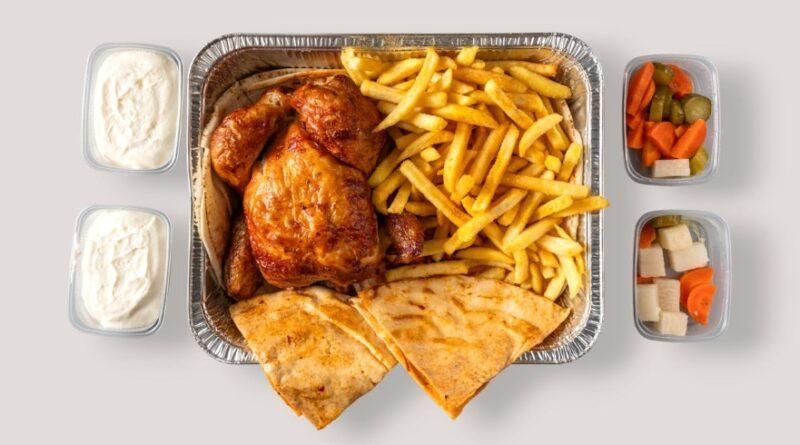
Rotisserie cooking is often used as a reference point. Not because everyone owns a rotisserie setup, but because it gets so many things right at once. The chicken rotates slowly, heat spreads evenly, and juices move through the meat instead of sitting in one place. Skin crisps while the inside stays moist. It’s balanced.
If you want to learn how to cook a rotisserie chicken, the focus isn’t on complicated seasoning or tricks—it’s about steady heat, proper timing, and letting the chicken cook evenly without interruption, which is exactly why the result comes out juicy with a crisp outer layer.
You don’t need a rotisserie to apply that idea. An oven can do something similar if you manage the temperature carefully. Keep the heat consistent. Avoid constant flipping. Let the chicken cook through instead of rushing it.
Simple adjustments, noticeable difference.
Seasoning Matters More Than You Think
People under-season chicken all the time, not by a little, but by a lot. Salt alone can change everything, yet it’s often added lightly, almost as an afterthought.
Salt isn’t just for taste. It pulls moisture into the meat, helping it stay juicy. That’s why seasoning early matters. Not right before cooking, but a bit ahead of time if possible. Even thirty minutes helps.
Basic combinations work best. Salt, black pepper, maybe garlic powder or paprika. Fresh herbs, if you have them. No need to overcomplicate it. Too many flavors can cancel each other out or overwhelm the chicken itself.
Timing matters too. Seasoning after cooking gives surface flavor, but it doesn’t go deeper. Seasoning before lets it settle in. That’s where the difference shows up when you take a bite.
Marinating and Brining for Better Flavor
Marinating is often overused or misunderstood. It’s not about soaking chicken in a heavy sauce overnight and hoping for the best. It’s about balance.
A good marinade usually has three parts: oil, acid, and seasoning. Oil helps carry flavor. Acid, like lemon juice or vinegar, breaks down the surface slightly. Seasoning adds taste.
Time matters. Too short, and it doesn’t do much. Too long, especially with strong acid, and the texture can change in a bad way. A few hours are usually enough.
Brining is different. It focuses more on moisture than flavor. Saltwater solution, sometimes with a bit of sugar. It helps the chicken hold onto moisture during cooking. That’s useful, especially for lean cuts like breast meat.
Neither method is required, but both can improve the result if used correctly.
Controlling Heat and Timing
Heat is where things go wrong most often. Too high, too fast—outside cooks, inside stays underdone. Then you leave it longer, trying to fix it, and everything dries out.
Moderate heat works better for most chicken. Not low, not aggressive. Just steady. It gives the meat time to cook through without losing moisture.
Internal temperature matters. Chicken should reach 165°F to be safe. Going far beyond that is what causes dryness. A simple thermometer solves this problem instantly, but many people skip it.
Resting time is another step people ignore. Once the chicken comes off the heat, let it sit. A few minutes. Juices redistribute instead of spilling out when you cut into it. It’s a small pause, but it changes the final texture.
Achieving the Right Texture
Texture is what people notice first. Even before flavor sometimes. Dry chicken feels wrong immediately.
Crispy skin helps, especially for whole chicken or thighs. To get it, the surface needs to be dry before cooking. Pat it with a paper towel. Add a bit of oil. Then cook at a temperature that allows the skin to crisp without burning.
Skinless chicken is different. It doesn’t have that protective layer, so it needs more attention. Lower heat, shorter cooking time. Maybe a marinade to keep it from drying out.
Finishing steps can help. A quick broil at the end for color. A final sear for texture. Small adjustments, nothing extreme.
Small Additions That Make a Big Difference
You don’t need heavy sauces to improve chicken. Small additions work better.
A squeeze of lemon at the end. Fresh herbs scattered on top. A light drizzle of olive oil. These things add brightness without covering the flavor.
Pan drippings are useful, too. After cooking, there’s flavor left behind. Deglaze the pan with a bit of broth or water, scrape it up, and pour it over the chicken. Simple sauce, no extra effort.
Even a pinch of finishing salt can change how the dish tastes. It sharpens everything slightly.
Keep it minimal. Too much added at the end can undo what you built earlier.
Building Consistency in Your Cooking
Cooking chicken well once is luck. Doing it repeatedly means you’re paying attention.
Notice what works. Temperature, timing, and seasoning levels. Adjust each time slightly. If something comes out dry, shorten the cook time next time. If it tastes flat, season it earlier or a bit more.
You don’t need special equipment beyond basics. A decent pan, an oven, maybe a thermometer. That’s enough.
Consistency builds over time. It doesn’t happen all at once.
Flavorful chicken isn’t complicated. It just requires care at each step.
Choose the right method. Season properly. Control heat. Pay attention to timing. Add small finishing touches. That’s it.
Most problems come from skipping one of those steps. Not all, but many. Fix those gaps, and the results improve quickly.
It’s not about turning chicken into something fancy. It’s about making it reliable. Once it’s reliable, you can build from there.