Electric Hydraulic Shop Press Systems: Principles, Applications, and Safety in Modern Workshops
In Australia, the automotive repair and industrial maintenance sectors continue to expand due to increased vehicle ownership, mining activity, and logistics demand. Workshops are required to handle heavy duty components such as bearings, bushings, and metal assemblies with precision and consistency. An electric hydraulic shop press has become an essential tool in these environments. It provides controlled force for pressing, bending, and forming operations, supporting both efficiency and safety in daily workshop tasks.
Technology Overview and Practical Applications
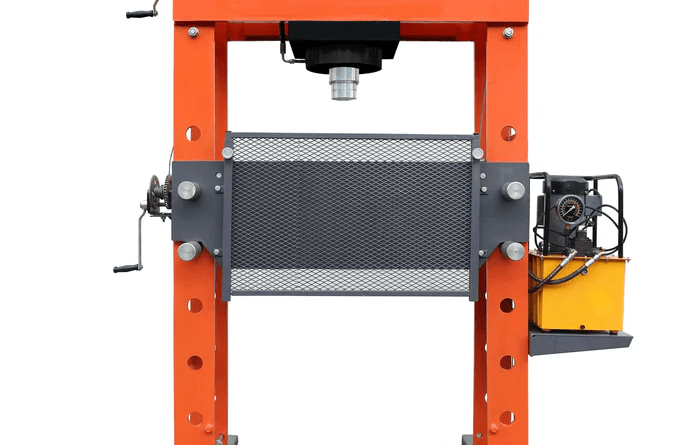
An electric hydraulic shop press uses a motor driven hydraulic pump to generate force. Hydraulic fluid is pressurized and directed into a cylinder, where it moves a piston to apply force to a workpiece. This system allows operators to generate high levels of pressure with controlled movement.
Common Use Cases
· Installation and removal of bearings and bushings
· Straightening of metal components
· Assembly and disassembly of mechanical parts
· Forming and shaping of metal materials
These applications are common in automotive repair, equipment maintenance, and fabrication workshops.
Importance of Efficiency, Safety, and Productivity
Efficiency in workshop operations depends on reliable equipment that can perform repetitive tasks with consistent force. An electric hydraulic shop press reduces manual effort and allows operators to complete tasks faster.
Safety is critical when working with high pressure systems. Controlled hydraulic movement reduces sudden force application, which lowers the risk of component failure or operator injury. This contributes to stable and predictable working conditions.
Technical Requirements and Capability Considerations
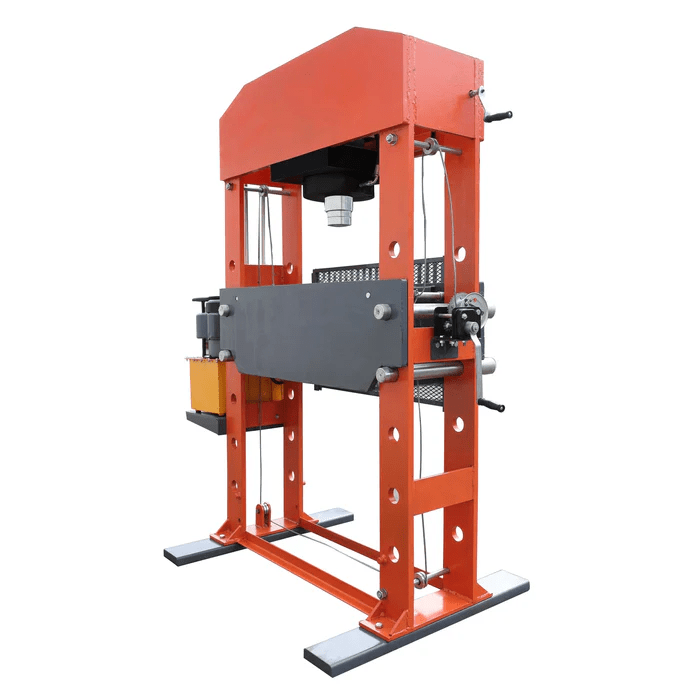
Selecting an electric hydraulic shop press requires understanding several technical parameters:
· Maximum pressing force, often measured in tons
· Stroke length and working range
· Frame construction and load distribution capacity
· Control system for pressure adjustment
These factors determine whether the press can handle specific tasks and materials without risk of damage.
Factors Affecting Performance and Effectiveness
Several variables influence the performance of a shop press:
· Alignment of the workpiece within the press frame
· Condition of hydraulic fluid and seals
· Regular maintenance of pump and motor systems
· Operator control and pressure application technique
Improper setup or maintenance can reduce accuracy and increase the risk of equipment failure.
Safety Considerations and Best Practices
Operating a hydraulic press requires strict adherence to safety guidelines. High pressure systems can cause serious injury if misused.
· Inspect the press for leaks or structural damage before use
· Ensure proper alignment of components to prevent slipping
· Use protective equipment such as gloves and eye protection
· Avoid exceeding the rated capacity of the press
These practices help maintain a safe working environment and extend equipment lifespan.
Equipment Types, Tools, and Accessories
Electric hydraulic shop presses can be equipped with various tools and accessories to expand their functionality:
· Press plates for supporting workpieces
· Adapters for different component sizes
· Pressure gauges for monitoring force
· Adjustable beds for varying working heights
A representative heavy duty press configuration can be reviewed at the following resource: electric hydraulic shop press reference, commonly associated with TMG Industrial equipment.
Advantages and Limitations
Advantages
· High force output with controlled application
· Reduced manual labor compared to mechanical presses
· Versatility across multiple workshop tasks
Limitations
· Requires regular maintenance of hydraulic systems
· Dependence on electrical power supply
· Initial setup and space requirements in workshops
Real World Applications
In Australian automotive workshops, electric hydraulic shop presses are widely used for servicing suspension components and drivetrain assemblies. Mining equipment maintenance teams also rely on these presses to handle heavy duty parts in remote service facilities. This reduces downtime and allows repairs to be completed without transporting components to distant workshops.
Conclusion and Future Trends
Electric hydraulic shop presses play an important role in modern mechanical operations by providing controlled force and consistent performance. Their use supports efficiency, safety, and precision across automotive and industrial applications.
Future developments are expected to focus on improved control systems, enhanced safety features, and integration with digital monitoring tools. As workshop demands continue to evolve, these presses will remain essential equipment for professionals managing complex repair and fabrication tasks.