Hair Loss Treatments: Causes, Options, and What Works
Hair loss can often be managed with several medical and procedural approaches.
Doctors recommend different hair loss treatments depending on the cause, the stage of hair thinning, and the patient’s health history. Common options include medications such as topical minoxidil and finasteride, as well as therapies like platelet rich plasma injections, laser devices, and hair transplants.
These treatments aim to slow hair shedding, stimulate new growth, or restore hair in areas where follicles are no longer active. Understanding the available hair loss treatments helps people choose the option that best fits their condition and long term goals.
Key Takeaways
- Hair loss can have different causes, including genetics, hormonal changes, stress, illness, or nutritional problems, so identifying the type of hair loss is important before choosing a treatment.
- Medical therapies such as topical minoxidil and finasteride are widely used and supported by research to slow hair thinning and improve hair growth in many patients.
- Advanced therapies like platelet rich plasma injections and low level laser therapy may help stimulate follicles and are sometimes combined with medication for better results.
- Hair transplants can restore hair in areas where follicles no longer grow hair, using techniques such as FUE or FUT to create natural looking density.
Understanding Hair Loss and Why It Happens
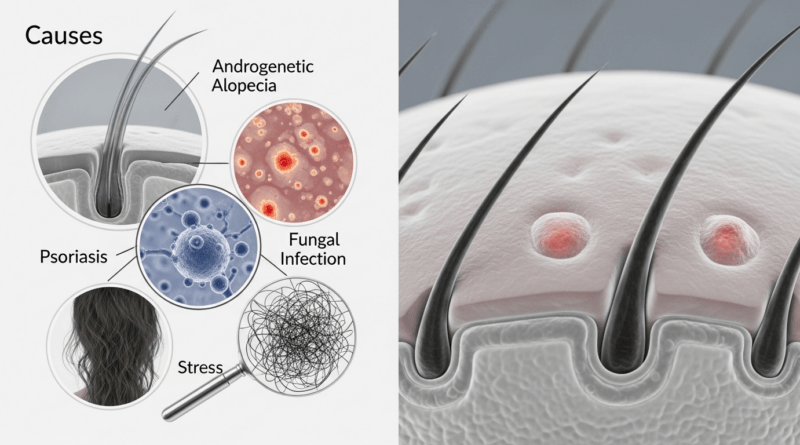
Hair loss can happen for many reasons that affect how hair grows. Genes play a major role, especially in androgenetic alopecia, which is common in both men and women.
Hormone changes, illness, medications, and poor nutrition can also lead to thinning hair.
Doctors usually begin by identifying the exact cause before recommending a hair treatment for hair loss. This may include checking the scalp, reviewing medical history, and sometimes ordering blood tests.
Once the cause is clear, doctors can suggest treatment options that target the problem.
Hair loss does not always look the same. Different conditions cause hair thinning in different ways. A correct diagnosis helps determine whether the goal is to slow shedding, stimulate regrowth, or replace lost hair through surgery.
Common Types of Hair Loss
Knowing the types of hair loss helps doctors choose the best treatment. Each condition affects hair follicles differently, so the right therapy may vary from person to person.
Common forms include:
- Androgenetic alopecia – a genetic condition that leads to gradual hair thinning on the scalp.
- Telogen effluvium – temporary shedding caused by stress, illness, or hormonal changes.
- Alopecia areata – an immune condition that causes patchy hair loss.
- Traction alopecia – hair damage from tight hairstyles or repeated pulling.
Some of these conditions improve on their own. Others require ongoing baldness therapy to maintain results over the long term.
Medical Hair Loss Treatments Recommended by Doctors
Medical therapy is often the first step when someone begins treating hair loss. Many medications have been reviewed by the Food and Drug Administration and supported by clinical research.
Two of the most common treatments include:
- Topical minoxidil, often called minoxidil rogaine, applied directly to the scalp.
- Finasteride propecia, a prescription pill that blocks hormones linked to hair loss.
Both options have strong research behind them. Studies have shown that regular use can slow hair loss and improve hair growth for many patients. Most people need several months before they notice clear results.
Topical minoxidil is an FDA approved hair loss treatment available without a prescription in many places. It works by helping hair stay longer in the growth phase. Over time, this process improves hair coverage in thinning areas.
Advanced Non-Surgical Treatment Options
Some people try additional therapies when standard medication does not give enough improvement. Dermatology clinics now offer several modern techniques that aim to stimulate hair follicles.
Common advanced treatment options include:
- Platelet rich plasma PRP injections – using growth factors from the patient’s blood.
- Low level laser therapy devices – often delivered through caps or comb tools.
- Light therapy systems designed to increase blood flow in the scalp.
Platelet rich plasma PRP therapy has become more popular in recent years. The process starts with drawing a small amount of blood, then separating the platelets that contain growth signals.
These are injected into the scalp to help support follicle activity.
Laser devices used for level laser therapy may also help certain patients. These tools send safe light energy into the scalp, which may support follicle function.
Results differ from person to person, but some patients see gradual improvement when these treatments are combined with medication.
Surgical Hair Restoration
When follicles stop producing hair completely, surgery may offer the best solution. Hair transplants move healthy follicles from one part of the scalp to areas where hair loss has occurred.
Many people research clinics offering NYC hair transplant procedures when exploring surgical restoration. These clinics often use modern techniques, like Dr. Ross Kopelman from Kopelman Hair, designed to create natural hair patterns and density.
Hair transplants usually involve two main techniques:
- Follicular Unit Extraction (FUE) – individual follicles are removed and placed into thinning areas.
- Follicular Unit Transplantation (FUT) – a small strip of scalp is removed and divided into grafts.
These methods aim to create natural results with minimal visible scarring. New hair usually begins to grow within several months after the procedure.
Lifestyle and Scalp Care That Supports Treatment
Medical care often works better when combined with healthy habits. Hair follicles rely on good nutrition, circulation, and balanced hormones to grow properly.
Helpful habits include:
- Eat a balanced diet with protein, iron, and vitamins.
- Avoid frequent heat styling or harsh chemical treatments.
- Reduce stress through sleep, exercise, and relaxation.
- Choose gentle hair products designed for hair thinning.
These habits alone may not reverse genetic hair loss. Still, they help support hair loss treatments and create a healthier environment for follicles. Doctors often suggest combining lifestyle changes with medical therapy.
When to See a Specialist
Ongoing shedding or fast hair thinning should be checked by a dermatologist or hair restoration doctor. Early treatment often leads to better results because hair follicles are still active during the early stages of hair loss.
A medical evaluation may include:
- Reviewing family history of hair loss.
- Examining the scalp with special magnification tools.
- Running blood tests to rule out hormone or nutrition problems.
- Choosing the most suitable topical treatment for hair loss.
Hair loss affects millions of people, but modern medicine now offers many ways to treat hair problems. Treatments range from medication and light therapy to regenerative injections and hair transplants.
The best approach depends on the cause of hair loss and the patient’s goals.
With early diagnosis and consistent care, many people can treat hair loss, slow thinning hair, and improve hair growth over the long term.