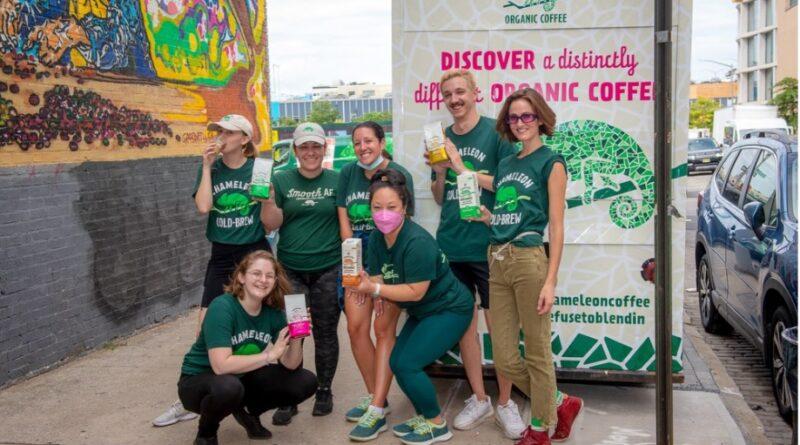
Street Teams & Why Real-World Brand Ambassadors Still Win in 2026
Marketing budgets increasingly flow toward influencer partnerships promising millions of impressions and authentic peer recommendations. Meanwhile, street teams creating face-to-face consumer connections get dismissed as outdated tactics. This assumption misses a critical reality: for specific marketing objectives, real-world brand ambassadors deliver results digital influencers cannot match.
Understanding where street teams outperform influencers requires moving past vanity metrics like follower counts and examining what actually drives consumer behavior.
Trust Through Direct Experience
Influencer marketing relies on parasocial relationships where followers trust recommendations from creators they’ve never met. This trust is real but limited. Followers understand influencers receive compensation, creating skepticism. Even authentic enthusiasm faces the filter of “they got paid to say that.”
Street teams eliminate this skepticism through direct product experience. When a brand ambassador offers samples at a park, consumers form opinions based on trying products themselves rather than trusting someone else’s review. This first-hand verification creates conviction influencer content cannot replicate.
Interaction quality differs fundamentally. Influencer content is one-to-many broadcasting where followers passively consume. Street team engagement is one-to-one conversation where consumers ask questions, share concerns, and receive personalized responses. This dialogue builds relationships and addresses objections in real-time.
Curated Audience Targeting
Influencers deliver massive reach but limited targeting precision. A lifestyle influencer with 500,000 followers might only reach 5,000 people actually interested in your product category. You pay for the full audience while benefiting from a small fraction.
Street teams activate where target consumers already gather. A fitness brand deploying ambassadors at running trails, yoga studios, and gyms reaches concentrated audiences highly likely to care about their products. Every interaction is with a qualified prospect.
This geographic precision allows hyper-local marketing that influencers struggle to deliver. Regional launches, market-specific promotions, or neighborhood-level brand building all benefit from street teams positioned exactly where target consumers are most receptive.
Conversion Speed and Purchase Proximity
Influencer marketing typically creates awareness but relies on consumers remembering content and taking action days later. Attribution is difficult and conversion paths are long. Street teams shorten this journey by engaging consumers during shopping trips or near retail locations.
A brand ambassador offering samples outside a grocery store can direct consumers inside to purchase immediately while enthusiasm peaks. This hot-state conversion when positive experience is fresh drives dramatically higher sales lift than cold-state decisions made days after viewing influencer content.
The ability to distribute coupons or samples in-hand also improves redemption rates compared to digital codes. Physical items have perceived value and serve as reminders that increase follow-through.
Data Quality and Value
Influencer campaigns generate engagement metrics like likes and shares. These indicate interest but provide limited insight into consumer preferences or concerns. Street teams collect rich qualitative data through conversations revealing what consumers actually care about.
Brand ambassadors report common questions, frequent objections, competitive comparisons consumers mention, and demographic patterns. This intelligence informs product development and messaging in ways social analytics cannot match.
The feedback is immediate rather than aggregated. Brands can adjust messaging or positioning mid-campaign based on real-world reactions rather than waiting for post-campaign analysis.
Authenticity and Local Credibility
Influencer partnerships often feel transactional even when genuine. Followers recognize sponsored content and discount it accordingly. Street teams, especially when staffed by local community members, feel less like marketing and more like neighborhood presence.
This local credibility matters particularly for emerging brands entering new markets. Street teams creating positive experiences build grassroots awareness that feels authentic because it is authentic. The brand is literally showing up in the community rather than paying someone to talk about it from a distance.
The Complementary Reality
The question isn’t whether street teams or influencers are better. It’s understanding what each excels at and deploying both strategically. Influencers build broad awareness and aspirational association. Street teams drive trials, collect feedback, and convert consideration into purchase.
The most effective strategies use influencers to create demand and street teams to capture it. Influencer content introduces products and builds interest. Street teams convert that interest into trial and purchase through direct engagement and proximity to purchase opportunities.
Brands that dismiss street teams as outdated miss opportunities for high-conversion local marketing that digital tactics cannot replicate. In an era of digital saturation, face-to-face connection and direct product experience remain powerful tools for driving behavior that awareness alone never achieves.